
Above 1,800 m the air is thinner, so each breath delivers less oxygen and your VO₂max drops about 6‑8 % per 1,000 m. Your muscles get less O₂, forcing you to rely more on anaerobic energy, which makes strides shorter, heart‑rate higher and fatigue arrive sooner. Recovery between climbs lengthens because the body needs extra time to replenish oxygen stores, and you’ll notice slower pacing, especially on long ascents. Acclimatization over several days improves performance, but if you keep going you’ll uncover more strategies to stay efficient.
TLDR
- Above 1,800 m, thinner air reduces VO₂max by ~6‑8 % per 1,000 m, causing earlier fatigue and slower climbs.
- Lower oxygen pressure forces shorter strides and longer recovery pauses between ascents.
- Endurance sections are more limited than short, anaerobic bursts, so sustained effort feels harder.
- Proper acclimatization (gradual ascent, 300 m daily gain, rest days) mitigates performance loss over weeks.
- Safety red flags—persistent headache, nausea, dizziness, or loss of coordination—require stopping ascent and descending.
What “High Altitude” Really Means for High‑Altitude Hiking (1,800‑3,000 m)
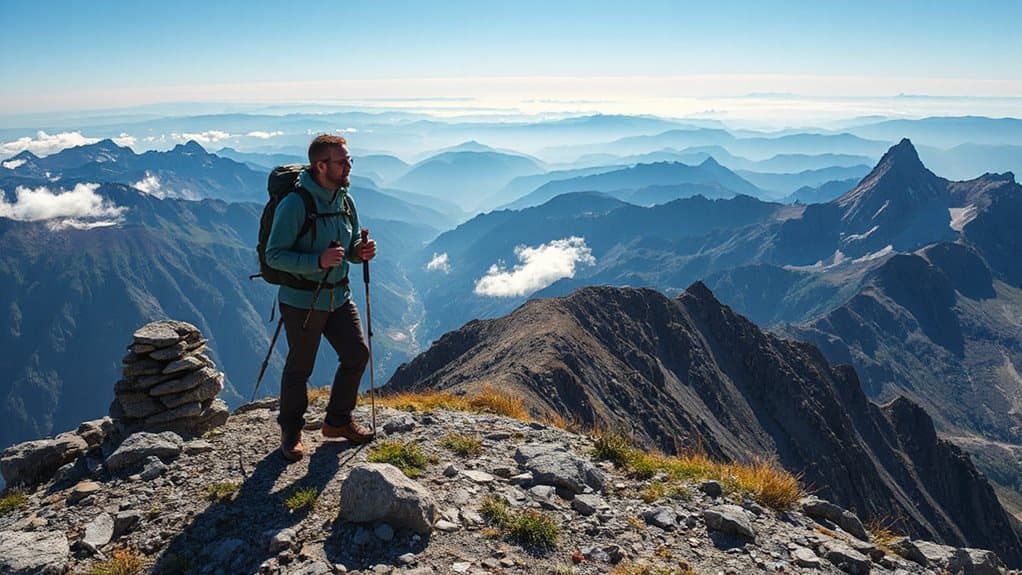
When you start hiking above 1,800 m (about 5,900 ft), the air is already thinner, and many hikers begin to notice a dip in performance even before any sickness appears.
In this band—1,800 to 3,000 m—oxygen drops noticeably, breathing quickens, and heart rate climbs at familiar effort. Reduced partial pressure also lowers the amount of oxygen per breath, prompting physiological responses like hyperventilation.
Guides often set 2,400 m as the practical high‑altitude threshold, yet some definitions begin at 1,500 m.
Expect slower climbs, reduced mileage, and early acclimatization cues, while fitness, hydration, and ascent rate shape your experience. Adequate hydration is critical for safety in low‑oxygen environments.
How Reduced Oxygen Lowers Aerobic Power on the Trail
Above 1,800 m the air is already thinner, and that drop in oxygen pressure is the main reason your aerobic power fades on the trail.
You breathe faster, yet the gradient for oxygen transfer shrinks, so arterial saturation drops and VO₂max falls roughly 6‑8 % per 1,000 m.
Muscles receive less O₂, rely more on anaerobic pathways, and fatigue earlier, making sustained climbs feel harder despite the same effort.
Plan meals and create a grocery list to avoid forgetting food items.
Why High‑Altitude Hiking Pace Slows and Recovery Lengthens
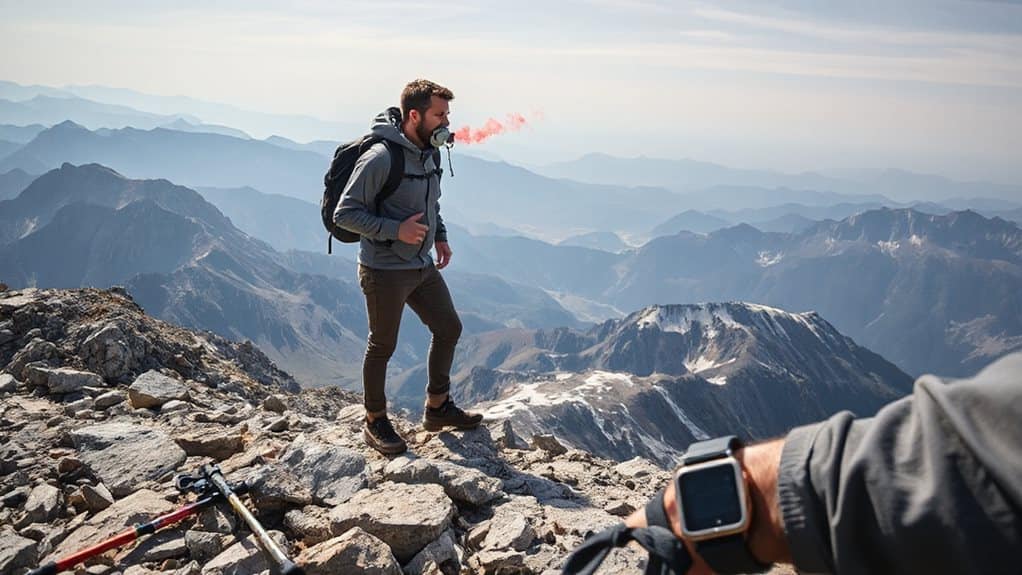
You’ll notice your stride shortens as the thin air cuts the oxygen your muscles receive, so you naturally adopt a slower pace to keep effort sustainable.
Those reduced oxygen levels also mean your heart and lungs need longer, more deliberate pauses between climbs, because short breaks no longer restore full energy.
As you acclimatize over several days, the slowdown eases, but the need for extended recovery intervals remains a key strategy for maintaining strength on high‑altitude terrain.
Be alert to early warning signs like shivering that indicate your body is losing heat and may impair coordination or cognition if not addressed.
Reduced Oxygen Availability
Because the air is thinner up high, each breath brings fewer oxygen molecules into your lungs, and that drop in barometric pressure—not a change in the oxygen percentage—means your body gets less of the gas it needs for muscle work.
At 12,000 ft you receive roughly 40 % fewer oxygen molecules, lowering arterial saturation and driving aerobic output down, so your steps feel heavier, your heart pumps faster, and you must pace yourself to keep moving forward.
Extended Recovery Intervals
Reduced oxygen at altitude not only makes each step feel heavier, it also forces your body to spend far longer rebuilding after a climb, so the pace you can sustain naturally drops.
You’ll need extra rest days, lower‑altitude sleep, and slower intervals; heart rate stays high, AMS symptoms linger, and hemoglobin memory persists up to ninety days.
Prioritizing nine‑plus hours of quality sleep and descending to recover accelerates acclimatization, keeps you healthy, and restores your freedom to move.
Endurance vs. Sprint‑Like Climbs on High‑Altitude Terrain
When you hike at high altitude, the thinner air makes sustained aerobic effort much tougher, so long, steady climbs feel disproportionately harder than they’d at sea level.
Endurance sections drain oxygen quickly, dropping pace and increasing rest breaks, while short, sprint‑like bursts rely more on anaerobic power and feel less limited.
Mix controlled surges with steady pacing, and you’ll keep momentum without exhausting your oxygen budget.
How Acclimatization Improves Performance and How Long It Takes
If you spend a few days at altitude, your body will already start adjusting—breathing faster, heart rate rising, and fluid shifting to help deliver oxygen—yet those early changes only scratch the surface of true acclimatization.
Within three to four days you’ll feel a modest increase, but real performance gains solidify after three to four weeks, especially with gradual ascents, steady training, and ample sleep.
Plan your ascent to limit daily elevation gain to 300 m and include regular rest days to support proper acclimatization, particularly by following a daily elevation strategy.
Safety Red Flags: When Altitude Becomes a Health Risk
If a headache won’t quit and nausea sets in, you’re likely crossing the line from ordinary fatigue to acute mountain sickness, so stop and assess.
Rapid breathing, light‑headedness, or a sudden loss of coordination and confusion are red flags that your brain or lungs are under stress, and they demand immediate attention.
Don’t push on—descend, hydrate, and consider medical help before the condition escalates.
High heat and dehydration can worsen symptoms quickly, so monitor for rapid pulse and cool, moist skin while you rest.
Persistent Headache & Nausea
A persistent headache and nausea are the most common early warning signs of acute mountain sickness, and they usually appear within the first 6‑10 hours after you gain altitude, often intensifying in the morning or after lying down as fluid shifts raise intracranial pressure.
You’ll notice a throbbing scalp ache, loss of appetite, and occasional vomiting; these stem from hypoxia‑induced cerebral vasodilation and rising intracranial pressure, signaling that your body isn’t acclimating fast enough.
Rapid Breathing & Dizziness
What happens when your breath quickens and your head feels light on the trail? At 3,050 m the oxygen pressure drops to about 69 % of sea level, so you start hyperventilating within seconds.
That’s normal, but if the rapid breathing persists at rest or dizziness worsens, you’re crossing a safety line.
Stop ascent, hydrate, and consider descending before altitude illness escalates.
Loss of Coordination & Confusion
When your breath quickens and dizziness fades, the next warning sign often shows up in your movements and thoughts.
You may stumble, lose heel‑to‑toe balance, or feel clumsy—signs of ataxia that flag progressing altitude illness.
Confusion, disorientation, or slurred speech can follow, indicating cerebral swelling.
Stop climbing, descend immediately, use oxygen if available, and seek medical help to prevent severe complications.
Practical Strategies to Keep High‑Altitude Hiking Efficient
If you’re hiking above 5,000 feet, your body will start sensing thinner air, which means your breathing and heart rate rise, and you lose water faster than at sea level.
Drink 1–1.5 L extra daily, sip often, and keep a steady, slow pace.
Sleep below night night’s high point, and allow two‑to‑three weeks for acclimatization before pushing harder.
And Finally
By understanding how thinner air cuts aerobic power, lengthens recovery, and forces slower paces, you can plan hikes that match your current fitness. Acclimatizing gradually—spending a few days at 1,800‑2,000 m before tackling higher terrain—will enhance performance and reduce health risks. Keep an eye on warning signs like persistent headache or dizziness, and adjust your pace or altitude accordingly. With these strategies, you’ll hike efficiently, stay safe, and enjoy the summit more fully.


