
If you’re outdoors and feel pale or flushed skin, a rapid weak pulse, dizziness, or sudden weakness, stop immediately; these are classic heat‑exhaustion warnings. Notice cool, moist skin or goosebumps, dark strong‑smelling urine, and muscle cramps in your legs, arms, or abdomen—each signals fluid loss and electrolyte imbalance, especially when the heat index reaches 91 °F. Sip cool water or an electrolyte drink slowly, move to shade, loosen clothing, and monitor symptoms, because continuing will give you the full picture of how to stay safe.
TLDR
- Persistent muscle cramps, especially in legs, arms, or abdomen, signal electrolyte loss and heat stress.
- Dark, strong‑smelling urine indicates significant dehydration and concentrated waste.
- Weak, rapid (thready) pulse combined with dizziness or nausea shows circulatory strain.
- Pale, clammy, or flushed skin with cool, moist feel reflects impaired cooling and fluid loss.
- Light‑headedness, confusion, or nausea point to reduced brain oxygen and dehydration‑related digestive upset.
Recognize Early Signs of Heat Exhaustion

How can you tell when your body is starting to struggle with the heat? You notice muscle cramps tightening slowly, often in legs, arms, or abs, right after activity, a warning sign of heat exhaustion. A persistent headache, dizziness, or lightheadedness appears alongside fatigue, thirst, and rapid heartbeat. Nausea, vomiting, and feeling weak signal dehydration. Rest in shade, hydrate, and pause heavy exertion for two days. Heavy sweating is a common early indicator that the body is losing fluids too quickly. Use lightweight, portable gear like instant coffee to stay compact and hydrated breaks during trips.
Check Skin for Pale, Clammy, or Flushed Tone
Ever notice your skin turning unusually pale, clammy, or flushed while you’re out in the heat? Check palms, nails, gums, and tongue for pallor; a cool, moist feel signals clammy skin as sweat evaporates.
A red, flushed tone shows blood vessels dilating from overheating.
Look at non‑pigmented areas, especially on darker skin, and act fast if you see these changes.
Children often show these signs early when engaging in outdoor activities like kayaking with kids, so stay vigilant and take breaks in the shade.
Feel for Cool, Moist Skin and Goose Bumps
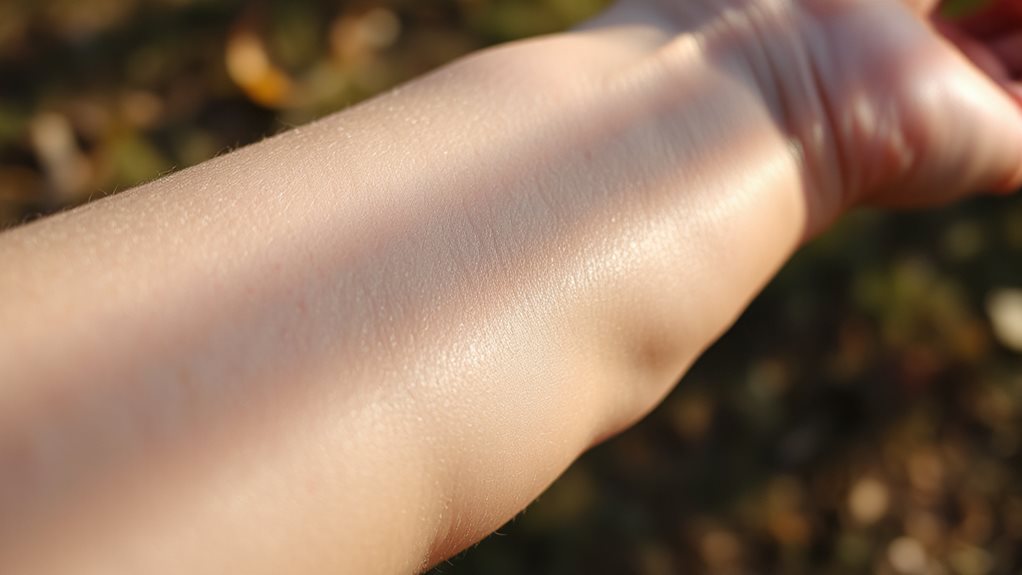
Can you feel a cool, damp texture on your skin while the sun blazes and you’re still sweating heavily? That chill, clammy feeling signals your body’s cooling system is failing, and goosebumps often appear on arms or legs as a shiver response.
Check the skin directly—cool, moist, and bumpy indicates fluid loss, electrolyte depletion, and early heat‑exhaustion danger.
Stay alert, hydrate, and cool down before symptoms worsen. Use lightweight clothing and rehydrate with electrolyte solutions to help recover from fluid loss.
Listen for a Weak, Rapid Pulse
When you notice your heartbeat racing yet feeling feeble, that thready pulse is a classic sign of heat exhaustion, indicating your body’s struggle to cool down.
It often appears alongside dizziness, nausea, and cool, moist skin, so keep an ear out for this rapid, weak rhythm while you’re outdoors.
If you catch it early, stop the activity, move to shade, hydrate, and monitor the pulse before it worsens.
Rapid Pulse Indicators
What does a weak, rapid pulse tell you about heat exhaustion? It signals tachycardia, the body’s frantic effort to keep blood moving despite fluid loss.
You’ll feel a thready, fast beat at the wrist or neck, reflecting low blood pressure and compromised circulation.
This sign shows the heart is working harder to deliver oxygen, so act quickly before fatigue deepens.
Weak Heartbeat Signs
A rapid, thready pulse you feel at the wrist or neck signals that your heart is working harder yet presenting less forceful beats—a hallmark of heat exhaustion.
You’ll notice it racing while feeling weak, clammy, or pale, and it differs from a normal workout pulse because it feels feeble.
This sign means your circulatory system is strained, so cool down immediately, hydrate, and seek shade to prevent escalation.
Watch for Light‑headedness or Confusion
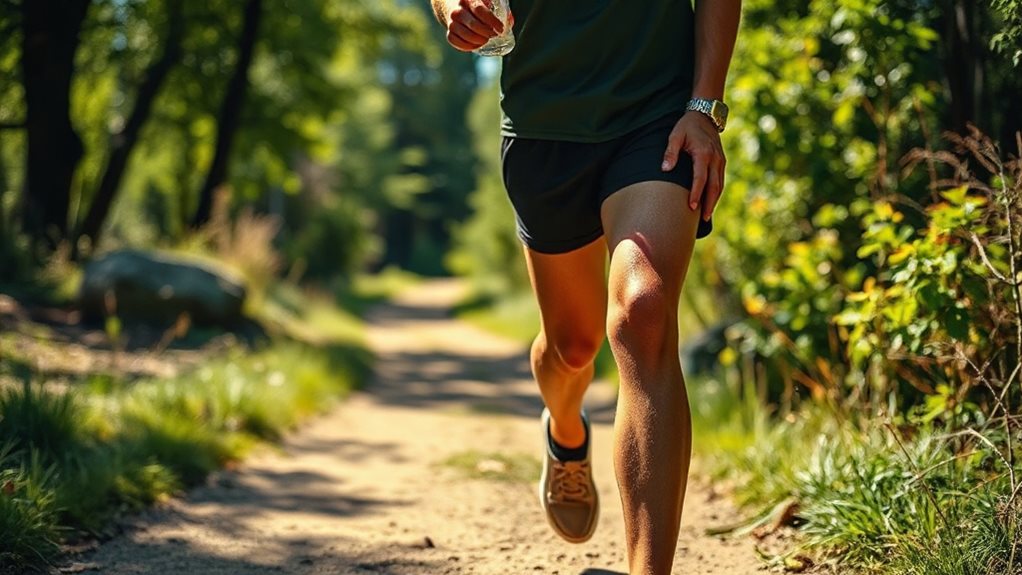
Ever notice a sudden light‑headed spin or a brief moment of confusion while you’re out in the heat? Those feelings signal blood pooling in your legs, reduced oxygen to your brain, and a rapid heartbeat trying to compensate for fluid loss. They’re temporary, reversible, and disappear when you rest in shade, hydrate, and lower your core temperature below 104 °F. If they linger, seek help. A quick way to estimate your appropriate equipment fit is to measure your arm span and divide by 2.5 to get your draw length as a rough guide to ensure safe exertion arm span measurement.
Notice Nausea, Vomiting, and Appetite Loss
You may start feeling an upset stomach or nausea early on, a sign that dehydration is already affecting your digestive system and electrolyte balance. If vomiting follows, it often means blood is being redirected away from your gut to cool your skin, further suppressing appetite and signaling that your body is struggling to regulate temperature.
Pay attention to these gastrointestinal cues—persistent nausea, vomiting, or a sudden loss of appetite—because they can quickly progress to more serious heat‑related illness if you don’t hydrate, rest, and cool down.
Early Gastrointestinal Distress
How does early gastrointestinal distress show up when you’re out in a heatwave? You may feel sudden nausea, bloating, or a queasy stomach as blood diveverts to your skin, slowing digestion. Vomiting can follow if core temperature spikes above 39°C, and appetite wanes because gut bacteria shift. Recognize these signs early to adjust activity, hydrate, and protect your gut.
Dehydration‑Induced Nausea
When temperatures climb and you’re pushing yourself outdoors, nausea can creep in quickly, signaling that dehydration is taking hold.
You’ll feel a queasy stomach, maybe vomit, while your skin stays cool and moist, pulse rapid.
Sweat drains water and salts, shrinking blood volume, upsetting your gut.
Stop, cool down, sip electrolyte‑rich fluids, and monitor dizziness or headache—early rehydration prevents heatstroke.
Appetite Suppression Signals
Nausea, vomiting, and a sudden loss of appetite often appear together as the body’s alarm system during heat exhaustion, signaling that core temperature regulation is taking priority over digestion.
You’ll feel weak, skin cool and clammy, pulse racing, breath quickening.
Recognize that dehydration fuels this hunger drop, and act fast: move to shade, hydrate, and let your body reset before severe illness strikes.
Detect Muscle Cramps in Legs, Arms, or Abdomen
Ever notice a sudden, involuntary tightening in your calves, thighs, arms, or even your abdomen while you’re out in the heat? Those painful spasms signal electrolyte loss, heavy sweating, and early heat‑related stress. Watch for jerking movements, intense cramping that starts during or after activity, and feel the urge to rest. Replenish sodium, potassium, and fluids promptly to halt progression and keep your freedom to move. Many people find that timberland boots run large so consider fit and footwear choices when planning long outdoor activities.
Look for Dark, Strong‑Smelling Urine
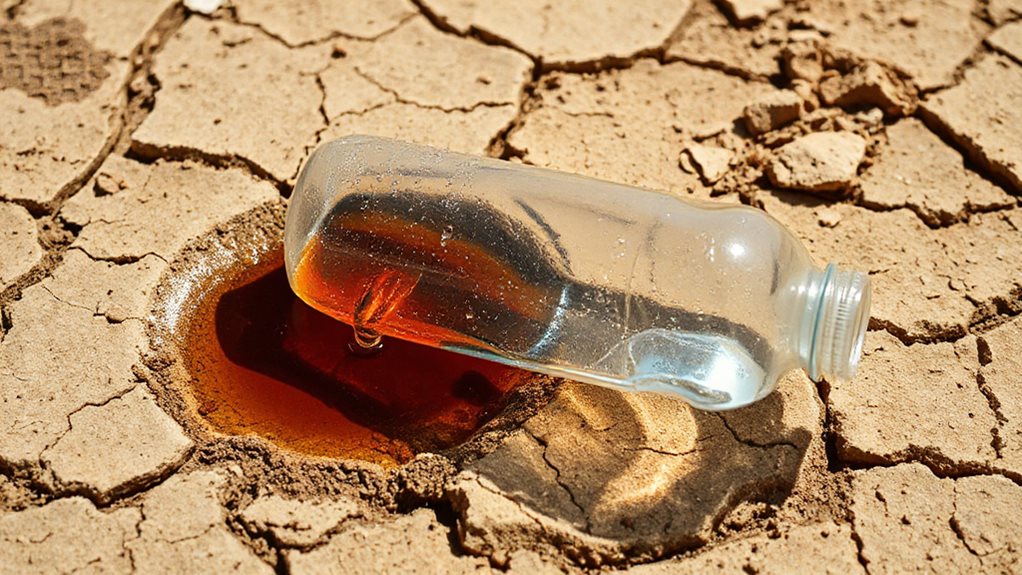
When you notice your urine turning a deep yellow or amber and smelling unusually strong, it’s a clear sign that you’re losing too much water and salt. This dark, pungent urine reflects a higher dehydration severity, meaning your body’s electrolyte balance is off and you need to rehydrate quickly.
Keep an eye on the color and odor, and if they stay intense, drink fluids with electrolytes right away and consider cooling down.
Dark Urine Color
Why should you pay attention to the color of your urine when you’re out in the heat?
Dark urine tells you your body is conserving water, a sign you’re dehydrated from sweating. It may appear tea‑colored, indicating mild fluid loss, or cola‑colored in severe cases like rhabdomyolysis. Monitor it, drink water and electrolytes, and rest before dehydration escalates to heat stroke.
Strong Odor Indicator
If your urine starts to smell noticeably stronger—often described as an ammonia‑like or sour odor—it’s a clear sign that your body is running low on water. That pungent scent means your kidneys are concentrating waste because you’ve lost fluids through sweat.
In heat, this happens fast, so pause, find shade, sip cool water, and watch for other signs like dizziness or cramps.
Dehydration Severity Sign
Do you notice your urine turning a deep amber or even brown, and smelling stronger than usual? Dark, strong‑smelling urine signals mild to severe dehydration, as urochrome concentration rises and kidneys reabsorb water.
Amber or brown hues mean you need immediate fluid intake; 2‑3 glasses of water can restore balance. If the color persists or you feel dizzy, seek medical help promptly.
Understand How a 91 °F Heat Index Increases Risk

How does a 91 °F heat index raise your risk of heat‑related illness?
At 91 °F you enter the extreme‑caution zone, where humidity blocks sweat evaporation, so your body can’t cool efficiently.
Dehydration speeds up, performance drops, and vulnerable groups—older adults, those on diuretics, unacclimatized or obese individuals—feel cramps, weakness, dizziness, or rapid pulse sooner.
Even short, intense activity can trigger exhaustion, and untreated cases may progress toward heatstroke.
Take Immediate Action: Stop, Rehydrate, Seek Help
When the heat index hits 91°F, the body’s cooling system is already strained, so the next step is to act fast. Stop moving, get into shade, loosen clothing, and elevate legs. Sip cool water or electrolyte drinks slowly, avoid ice‑cold gulps. Spray skin with cool water, fan, and use cold compresses. If symptoms persist past 30 minutes, call 911 and stay with the person until help arrives.
Final Note
If you notice any of these signs, act fast: stop the activity, move to a cooler spot, drink water or an electrolyte drink, and seek medical help if symptoms worsen. Early detection prevents heat exhaustion from turning into heat stroke, which can be life‑threatening. Stay aware of the heat index, listen to your body, and keep hydrated—your health depends on it.


