
You’ll kill larvae quickly when temperatures drop below –12 °C (10 °F) and nymphs or adults near –21 °C (–7 °F); the same cold snaps also halt questing, so early‑season ticks are most vulnerable. Heat above 35 °C (95 °F) combined with relative humidity under 85 % dries out ticks, especially the small stages, shortening their questing time and leading to death after a few hours. Spring and fall peaks occur when daytime highs rise above 4 °C (40 °F) and humidity stays high, so you’re most at risk during those moist, moderate‑temperature windows; continue to uncover practical steps to protect yourself.
TLDR
- Larvae die at –12 °C to –16 °C; nymphs and adults survive down to about –21 °C, making early‑season cold snaps most lethal.
- Ticks lose water rapidly above ~35 °C, especially when relative humidity falls below 85 %, causing dehydration and reduced questing time.
- Below 75‑85 % RH, ticks stop questing and retreat to leaf litter; prolonged dry conditions can kill them within days.
- Spring (March‑April) and fall (September‑November) are peak risk periods because temperatures rise above 4 °C while humidity often drops, prompting active questing.
- Home mitigation: tumble‑dry clothing on high heat for ≥6 minutes or freeze items ≥48 hours at 0 °F to reliably kill any attached ticks.
Temperature Thresholds That Kill Tick Stages
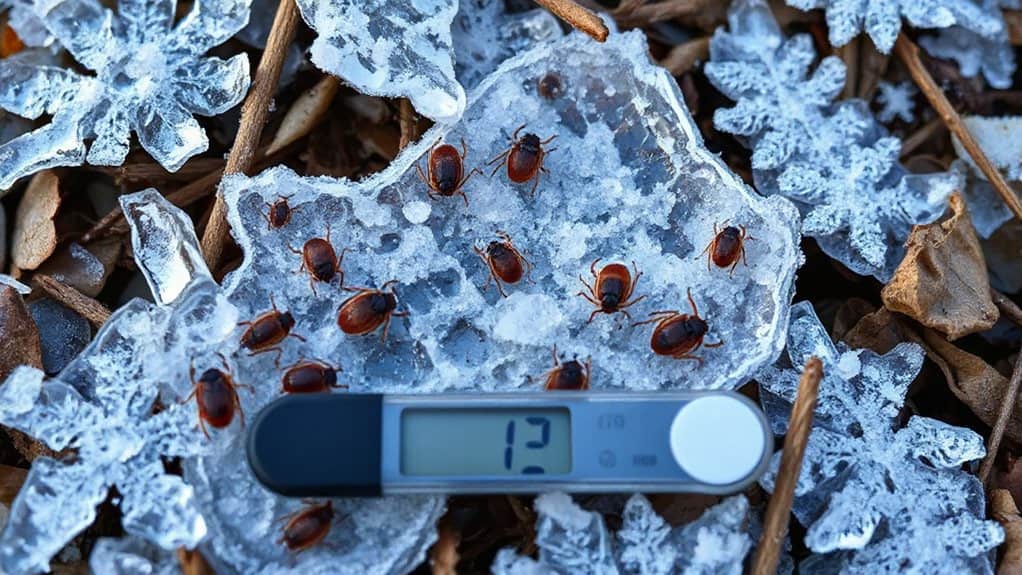
When temperatures dip below the freezing point, the lethal thresholds for each tick life stage separate sharply, and understanding those differences can help you gauge where and when tick populations are most vulnerable. Larvae die around –12 °C to –16 °C, while nymphs and adults survive down to about –21 °C. Early‑stage mortality cuts future numbers, so targeting larvae during cold snaps yields the biggest impact. Ticks can remobilize during short mid‑winter warm spells when ground thaw occurs. Treating clothing and gear with permethrin-treated clothing and using DEET on exposed skin remains important year-round.
At What Temperature Do Ticks Start to Dehydrate?
When temperatures climb to about 35 °C, ticks begin losing water rapidly, especially if the air is dry, so you’ll see dehydration kick in quickly.
The relative humidity matters just as much—once it drops below roughly 85 %, the risk of lethal water loss spikes, even on milder days.
Keep in mind that hot, arid microclimates like sun‑baked leaf litter or lawns are the most hostile places for ticks, forcing them to retreat or reduce activity.
Ticks are often painless and small, so people may not realize they were bitten even after encountering these hostile microclimates.
Dehydration Threshold Around 35 °C
Around 35 °C (95 °F) and higher, ticks start to lose moisture rapidly, and dehydration becomes a serious threat to their survival.
You’ll notice that at this threshold their bodies evaporate water faster, especially if the air is dry, and smaller stages like larvae suffer quickest.
It isn’t an instant kill‑switch, but prolonged exposure shortens their questing time, so you stay alert when heat rises.
Humidity’s Role in Water Loss
Above roughly 30 °C (86 °F), the combination of heat and dropping relative humidity pushes ticks past their Critical Equilibrium Humidity (CEH), and they start losing body water faster than they can replenish it.
When humidity slips below 75‑85%, ticks can’t absorb moisture, so they retreat to leaf litter or burrows, halt questing, and die within days if conditions stay dry.
Stay aware of humidity spikes to avoid their hidden habitats.
How Does Humidity Influence Tick Mortality?
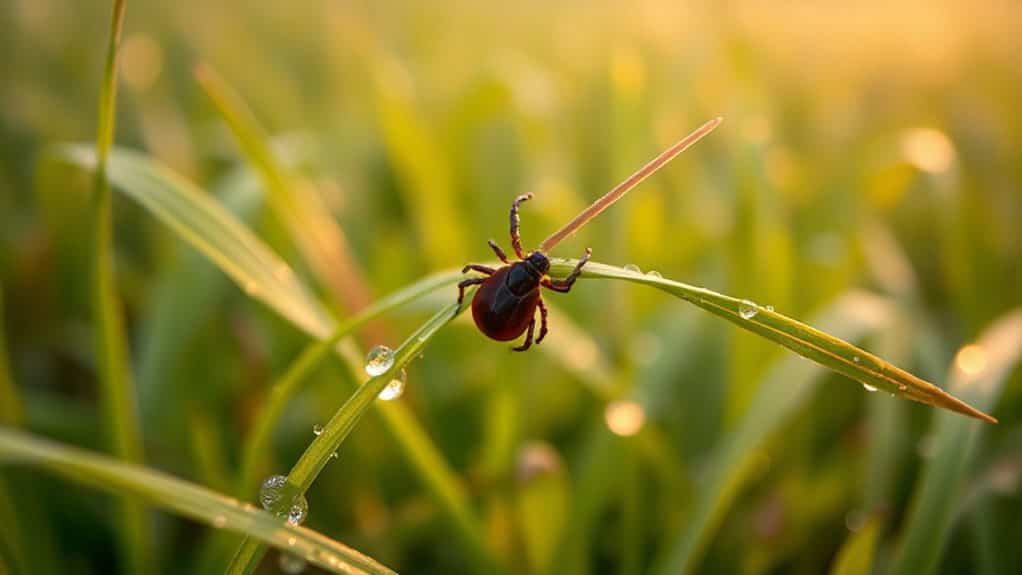
Ever wonder why a dry summer day can feel like a ticking time bomb for ticks? Low relative humidity spikes water loss, causing rapid desiccation and near‑zero survival within days.
Above 80 % RH, species like Dermacentor reticulatus and Amblyomma americanum live weeks longer, while thresholds around 75–82 % RH trigger sharp mortality jumps.
Heat amplifies the risk, so humid, cooler microclimates keep you—and ticks—farther apart.
Ticks can also survive for months without a blood meal, especially species such as the American dog tick, which may endure long periods before feeding.
How Cold Can Blacklegged Ticks Actually Tolerate?
How cold can black‑legged ticks actually survive? You’ll find they hit 50 % mortality around –10 °C (14 °F), yet some individuals endure down to –21.7 °C (–7 °F) by expelling cellular water before crystallization.
Short‑term exposure to –11 °C kills many nymphs, but leaf litter and snow act as insulation, letting ticks persist well below laboratory lethal thresholds.
Adult black‑legged ticks can also survive for nearly a year without feeding, increasing the chance they endure cold periods and reemerge when conditions improve adult survival.
When Do Spring and Fall Temperatures Trigger Peak Questing?
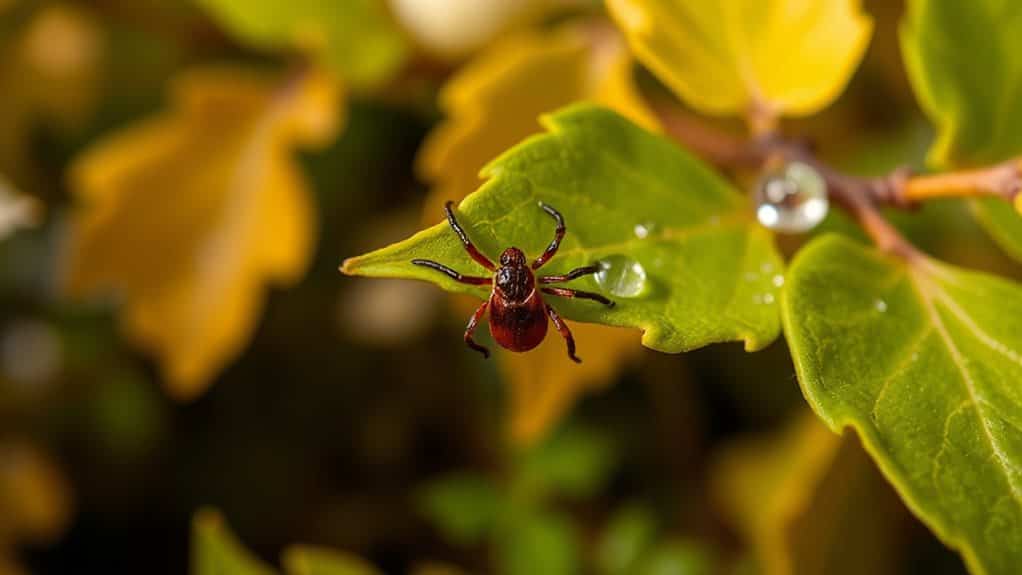
When spring’s temperatures start to climb above the 4 °C (40 °F) threshold, blacklegged ticks awaken from winter dormancy and begin questing for hosts.
You’ll notice nymphs emerging in March‑April, thriving in moist leaf litter, while outdoor activity spikes.
In fall, cooler September‑November days revive adult ticks, especially in humid, shaded habitats, creating a second peak before winter.
How Do Warm‑then‑Freeze Spells Increase Tick Mortality?
When a warm spell hits, you’ll see ticks become active, losing moisture as they quest or move, and then a sudden freeze can trap them out of shelter, exposing them to lethal cold.
That rapid desiccation followed by freezing, especially without snow’s insulating cover, dramatically raises mortality.
The combination of microhabitat exposure and energy depletion makes these warm‑then‑freeze cycles a key driver of tick deaths.
Rapid Desiccation Followed by Freezing
During a warm spell in winter, ticks lose water faster than they can replace it, so by the time a freeze arrives they’re already dehydrated and far less able to tolerate the cold.
Their bodies, having burned energy while questing, can’t rehydrate quickly.
Rapid desiccation weakens membranes, depletes reserves, and disrupts antifreeze compounds, making the subsequent freeze far more lethal than cold alone.
Microhabitat Exposure Amplifies Mortality
A warm spell can pull ticks out of their insulated soil layers and into exposed leaf litter, vegetation, or even bare ground, setting the stage for a lethal freeze.
When the temperature snaps back, those ticks face wind‑chilled air and rapid surface cooling, draining their energy reserves, especially larvae, and increasing mortality dramatically.
Your freedom depends on recognizing these microhabitat risks and staying clear of tick‑prone zones during thaw‑freeze cycles.
Why Snow and Soil Insulate Ticks From Fatal Freezing?
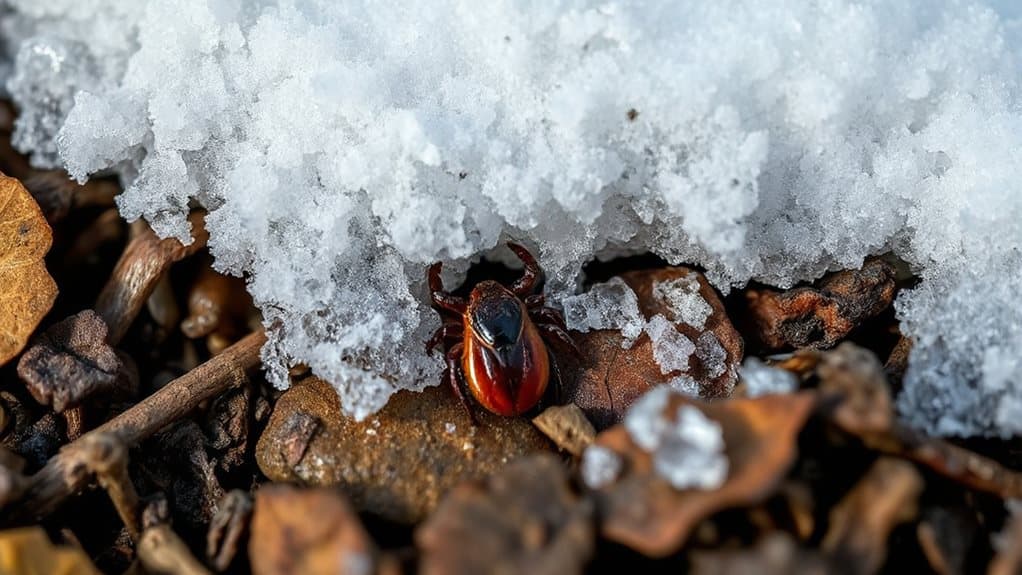
Snow blankets the forest floor, trapping heat that radiates from the ground and keeping the soil and leaf litter just above freezing, even when the air drops far below 32 °F (0 °C).
You’ll find that a few inches of snow stabilize near‑ground temps near zero, while leaf litter and soil create a microclimate that buffers against wind and rapid swings.
This insulation lets ticks stay dormant yet alive, using cryoprotectants and reduced water content to survive below‑freezing air.
Consequently, lethal freezing hinges more on ground conditions than on ambient temperature alone.
Which Tick Life Stages Are Most Vulnerable to Hot, Dry Weather?
Snow’s insulating effect fades when the sun beats down and the air dries, and that’s when the most vulnerable tick stage—larvae—faces a steep decline in survival.
You’ll find larvae die fastest from desiccation because they run out of water reserves quickly, especially when humidity drops below 85%.
Nymphs and adults hide in leaf litter or underbrush, tolerating short‑term heat much better, so targeting larvae yields the biggest population‑control payoff.
Wear long-sleeved, tightly woven clothing and gloves to reduce the chance that desiccated ticks on vegetation will transfer to you and survive on your skin or clothes, especially when hiking through areas with dense underbrush and leaf litter.
Heat‑ and Cold‑Based DIY Tick‑Kill Techniques for Clothing and Gear
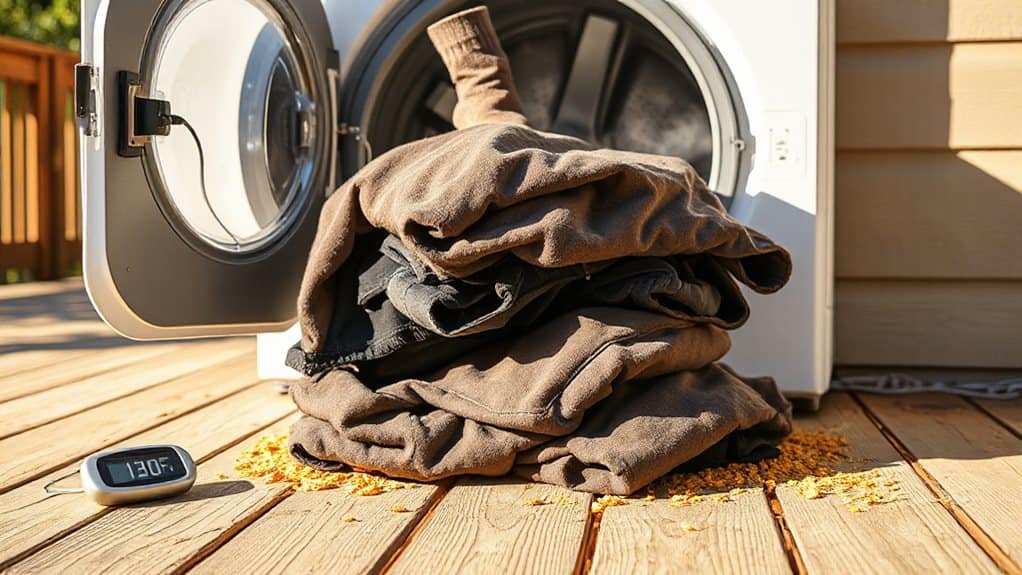
You can kill ticks on clothing by tossing the items straight into a dryer on high heat for at least ten minutes, which works faster and more reliably than washing first.
If you prefer a wash, use water that’s 130 °F (54 °C) or hotter, then follow with a prolonged high‑heat dry because moisture can shield ticks.
Freezing gear alone isn’t a dependable kill method, so heat‑based treatment remains the safest home solution.
Tumble‑Dry Heat Treatment
If you’ve just finished a hike in tick‑infested woods, tossing your clothes straight into a dryer on high heat is one of the quickest ways to kill any hitchhikers.
Dry, non‑soiled garments need only six to ten minutes on high; damp loads may require fifty‑plus minutes.
Hot washing first helps with muddy gear, but high‑heat drying remains the fastest, most reliable DIY tick‑kill step.
Freezing Gear for Tick Kill
Freezing your clothing and soft gear is a simple, chemical‑free way to kill ticks after a hike, and it works best when you give the cold enough time to penetrate every layer.
Pack items in sealed bags, lay them flat, and leave them in a home freezer for at least 48 hours (0°F) or 24 hours at –20°F.
Check for live ticks before reuse.
How to Identify the Seasonal Window of Highest Tick Activity Near You?
When does the tick season truly begin and end in your area? Check regional calendars: the Northeast runs March‑November, the Southeast February‑November, the Midwest April‑October, and the Southwest varies by elevation.
Look for local reports of nymph peaks in May‑August and adult spikes in October‑November.
Note temperature trends, humidity, and leaf‑littered habitats; these clues pinpoint your highest‑risk window.
Quick Checklist: Temperature‑Based Strategies to Reduce Tick Risk This Year
Because ticks are most vulnerable when heat meets dryness, your best defense starts with temperature‑based actions that you can apply at home.
Use a high‑heat dryer for at least six minutes after outdoor exposure, wash clothing in water ≥54 °C (130 °F) when possible, and avoid warm or cold cycles.
Keep humidity low, and remember freezing alone isn’t reliable.
And Finally
By tracking temperature trends and humidity, you can pinpoint when ticks are most active and when they’re likely to die off. Warm, dry spells above 86 °F (30 °C) dehydrate all life stages, while prolonged cold below 0 °F (‑18 °C) can kill overwintering adults and nymphs. Focus your outdoor activities during cooler, moist periods, and treat clothing with heat‑ or cold‑based methods to reduce risk. Stay vigilant, adjust your habits to the seasonal window, and you’ll minimize tick encounters effectively.


