
Ripstop fabric is a lightweight weave reinforced with a regular 5‑8 mm cross‑hatch grid of thicker yarns, creating a distinctive square or hexagonal pattern that you can see when you hold it up to light. The grid breaks the material into tiny sections, so when a snag occurs the thick ribs stop the tear from spreading, giving you tear‑resistance without bulk. Nylon, polyester, cotton, and sustainable RPET blends are common, each offering strength, UV protection, or breathability as needed. Outdoor gear uses ripstop because it stays strong while staying light, and coatings like PU or silicone add waterproofing and UV defense. If you keep looking, you’ll discover how to spot authentic ripstop and choose the right blend for your project.
TLDR
- Ripstop is a woven fabric reinforced with thicker yarns arranged in a 5‑8 mm cross‑hatch grid that creates a distinctive square or hexagonal pattern.
- The grid segments the material into small sections, stopping tears from spreading and preserving overall strength without adding bulk.
- Common fibers include nylon (high tensile strength), polyester (UV‑resistant, quick‑dry), and cotton (breathable), with blends or aramid fibers for specialized performance.
- Outdoor gear such as tents, jackets, backpacks, and tarps use ripstop for lightweight durability, tear containment, and enhanced weather resistance when coated.
- Spotting authentic ripstop involves seeing the grid pattern when held to light, feeling the raised reinforcement lines, and checking product specifications for “ripstop weave.”
What Is Ripstop Fabric? A Quick Definition & Visual Overview
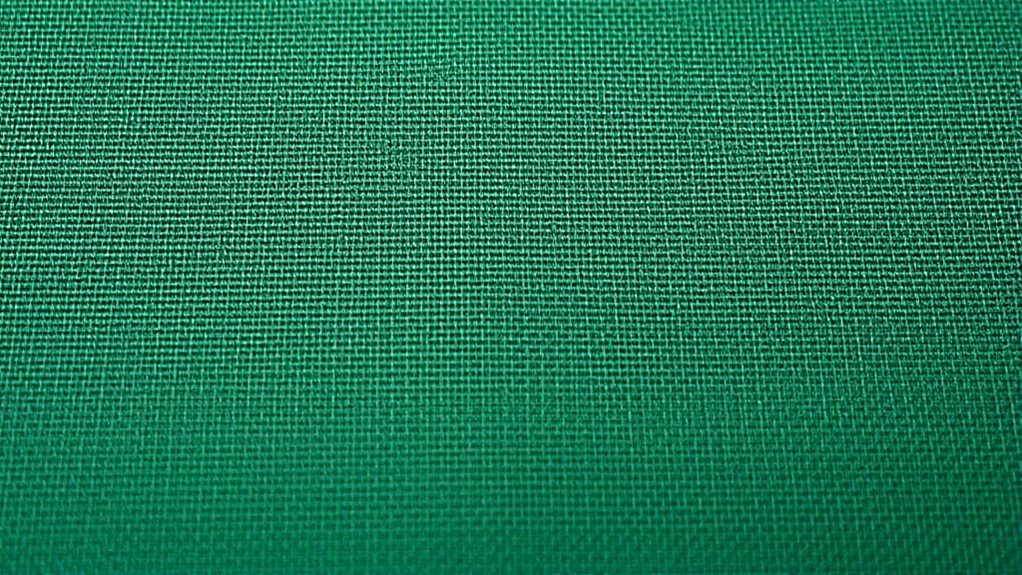
What’s ripstop fabric, you might wonder? It’s a woven material reinforced with thicker threads in a regular cross‑hatch grid, usually nylon or polyester, sometimes cotton or aramid blends. You’ll see a crisp, square or hexagonal check pattern, intervals of five to eight millimeters. This structure gives you lightweight, tear‑resistant strength, breathable comfort, and the freedom to move without worrying about wear. The grid of thicker reinforcing threads prevents tear propagation effectively. You can find ripstop used in many outdoor items like tents, jackets, and backpacks for added durability.
How Does Ripstop’s Cross‑Hatch Weave Stop Tears?
Ever wondered why a tiny snag in a rain‑proof jacket doesn’t turn into a gaping hole?
Ripstop’s cross‑hatch weave interlaces thicker reinforcement yarns every 5‑8 mm, forming a grid that splits the fabric into tiny sections.
When a rip starts, those strong nylon ribs block its spread, keeping damage confined to one cell, preserving strength without adding bulk.
Many outdoor products, like durable Polyethylene hulls, use similar reinforcement principles to resist tears and maintain structural integrity.
Which Fibers Are Commonly Used in Ripstop Fabric?
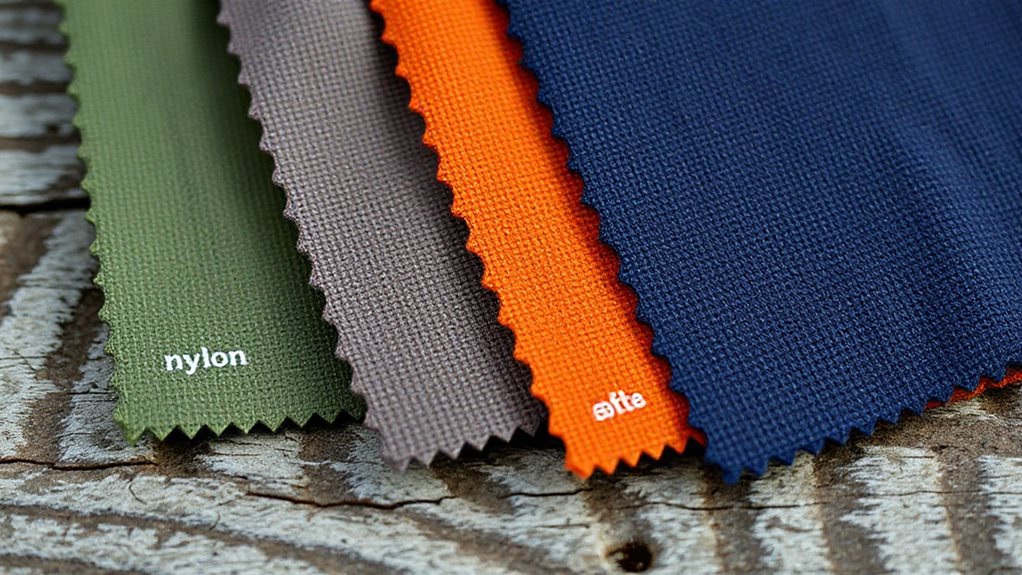
Which fibers dominate ripstop fabrics, and why do they matter for your gear? Nylon leads with high strength, elasticity, and abrasion resistance, giving lightweight durability and tear‑stop capability.
Polyester adds moisture‑wicking, UV, and mildew resistance, perfect for tents and jackets.
Cotton offers breathability and comfort, while blends like poly‑cotton or nylon‑cotton balance softness with strength, letting you choose the right mix for freedom‑focused journeys.
After a dry fire, a professional should inspect the bow for internal damage to ensure safety and prevent future failures.
What Reinforcement Threads Are Available for Ripstop?
The reinforcement threads woven into ripstop fabric are the key to its tear‑stop performance, and you’ll find several material options each bringing distinct strengths.
Nylon offers high tensile strength, while polyester adds a softer feel without sacrificing durability.
Kevlar, Dyneema, and carbon fiber deliver ultra‑light, high‑strength options for demanding gear.
Cotton provides a natural alternative, and double‑wall 200‑denier nylon maximizes resilience under harsh conditions.
Outdoor and natural play also demonstrates how hands‑on challenges build children’s resilience and independence, which mirrors how reinforced fabrics offer reliable support in stressful situations.
Why Does Ripstop Feel Light Yet Super Strong?
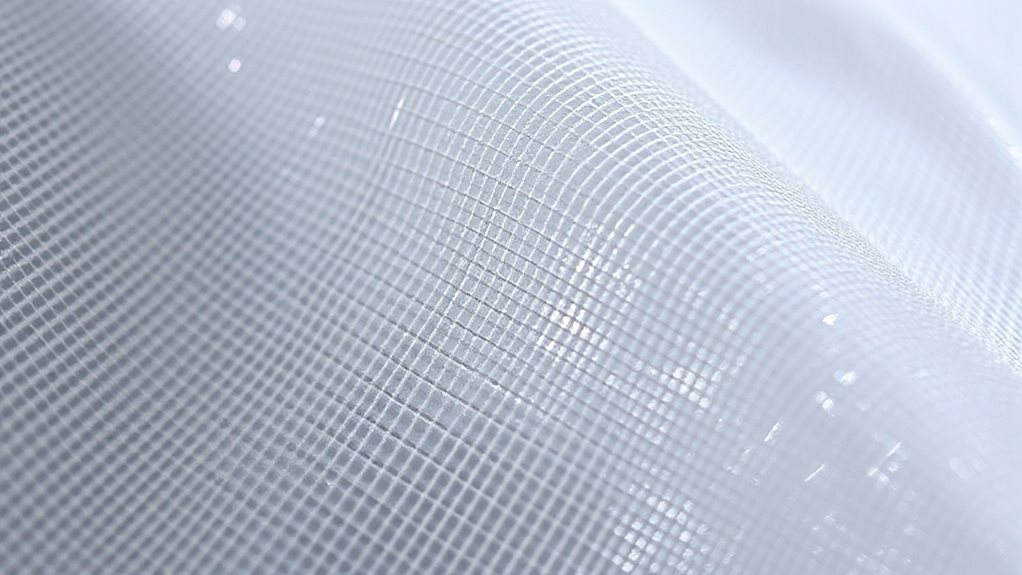
Why does ripstop feel so light yet super strong? You notice it because thick reinforcement threads form a 5‑8 mm grid that locks tears into tiny squares, while the surrounding nylon is low‑denier, like 70D at 1.9 oz.
This combination yields a high strength‑to‑weight ratio—15‑20 lb/inch tear strength, 350 lb load capacity—yet stays breathable, flexible, and barely noticeable on your gear.
Ultralight tents often pair ripstop fabrics with 20 denier materials to shave weight while accepting tradeoffs in durability and weather protection.
Square vs. Hexagonal Grids: Which Is Best?
Ever wondered whether a square or a hexagonal ripstop grid gives you the best performance?
Square grids are simple, easy to scale, and stop tears efficiently with regular reinforcement lines.
Hexagonal grids spread stress more uniformly, use less material, and hug curves better, reducing edge effects.
Both can be nylon‑strong, but hexagonal often feels smoother, while square remains the industry standard.
Choose based on your need for uniform strength or manufacturing simplicity.
What Outdoor Uses Benefit Most From Ripstop Fabric?
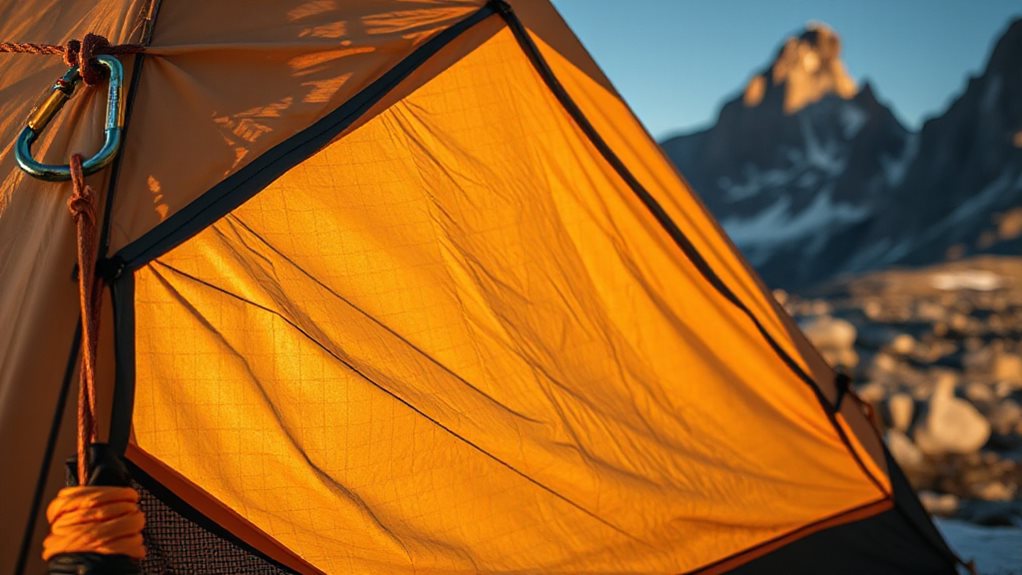
You’ll notice that ripstop’s lightweight construction cuts down on pack weight, letting you hike farther without extra bulk.
Its reinforced grid stops small tears from spreading, so your jacket, tent, or backpack stays intact even when you brush against branches or rocks.
Plus, the fabric’s water‑ and UV‑resistant treatments give you reliable protection across changing weather, keeping you dry and safe on the trail.
Lightweight Weight Reduction
Often the biggest advantage of ripstop fabric is its ability to shave off precious ounces without sacrificing strength, and that weight reduction matters most in activities where every gram counts. You’ll feel that freedom on ultralight backpacking trips, where 7‑denier nylon saves half an ounce per square yard, and in mountaineering, where 20‑denier micro‑ripstop balances wind‑proof protection with minimal load.
This lightness also lifts camping tents, sleeping bags and sport apparel, letting you move unburdened while staying durable.
Enhanced Tear Resistance
While the weight savings of ripstop fabric let you move faster, its real standout feature is the way the woven grid halts tears before they spread. The thicker threads every 5‑8 mm lock a rip into a single square, so a snag on a hiking jacket, tent pole, or backpack stays tiny. Smaller grids enhance resistance without adding bulk, keeping your gear reliable on trails, climbs, and backcountry camps.
Versatile Weather Protection
Why does ripstop excel at weather protection? Its lightweight durability and PU or silicone coatings keep rain out while letting you stay mobile. You’ll find it in tents, rainflys, and tarps that shrug off wind, hail, and heavy downpour.
Jackets, pants, and backpacks benefit from UV‑resistant, abrasion‑proof layers, and boat covers or awnings stay dry and quick‑dry, letting you explore without worry.
How Durable Is Ripstop Fabric Over Time?
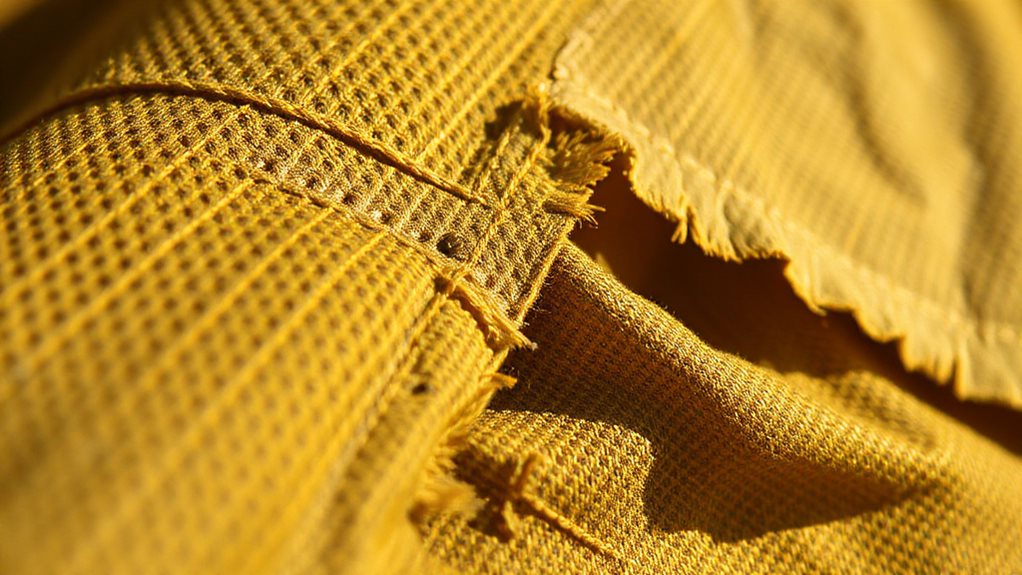
You’ll notice that the reinforced grid pattern keeps tears from spreading, so even after repeated use the fabric holds its shape and strength.
The tightly woven construction and UV‑resistant coating protect against abrasion and sun damage, though water‑repellent treatments may need occasional re‑application to stay effective.
Long‑Term Tear Resistance
How long does a ripstop garment stay tough after repeated use? You’ll find that thicker grid threads every 5‑8 mm halt tear spread, while smaller patterns keep strength high. Double‑ripple yarns double stopping power, and cross‑hatched nylon resists damage. Heavyweight nylon reaches 150 N, uncoated outperforms coated, and polyester adds UV protection, preserving tear resistance for years of rugged journeys.
Maintenance and Wear Effects
Even after the grid‑weave has proven its tear‑holding power, the real test of ripstop’s longevity lies in how you care for it. Wash gently with mild soap, cold water, and avoid over‑loading; rinse thoroughly.
Air‑dry flat, keep away from direct sun, and store dry, cool, and out of chemicals.
Promptly spot‑clean stains and patch small holes with matching nylon to preserve strength.
How Do Weather‑Resistant Finishes Impact Ripstop Fabric?
When a weather‑resistant finish is applied to ripstop fabric, it converts the material from merely water‑repellent to fully waterproof while preserving the grid’s tear‑stop properties.
PU coatings seal seams, add a moisture barrier, and keep the fabric’s strength, while silicone layers enhance UV protection and abrasion resistance.
These finishes let you chase horizons without fearing leaks, tears, or sun damage, all while maintaining the lightweight freedom you crave.
How to Spot Authentic Ripstop Fabric in Stores & Online?
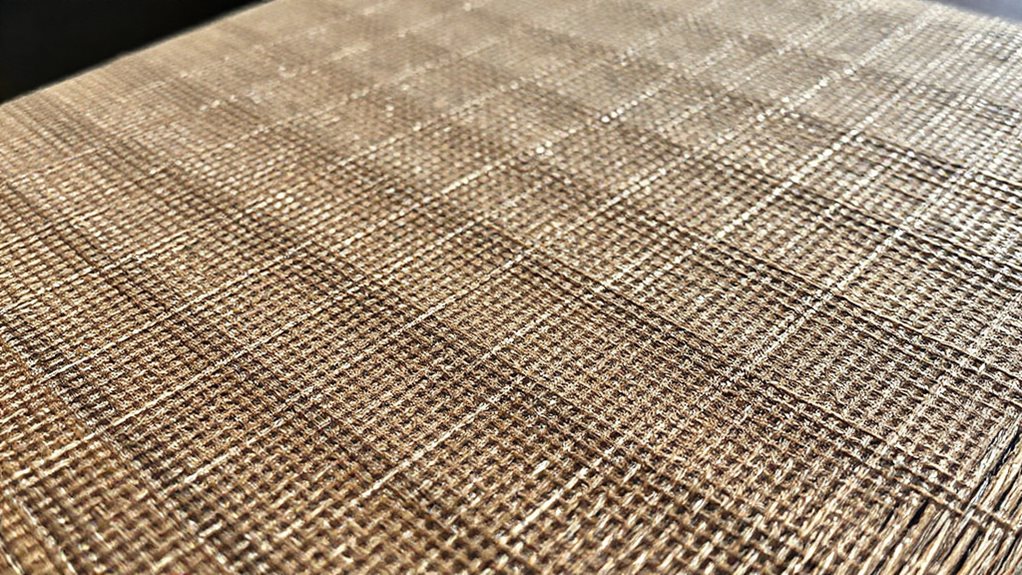
Ever wonder how to tell if the ripstop fabric you’re eyeing is genuine before you buy it? Hold it up to light, spot the 5‑8 mm grid of thicker threads, feel the raised reinforcement, tug a loose edge—real ripstop stops the pull. Check for a glossy polyurethane sheen, read specs for “ripstop weave,” and scan high‑resolution photos for visible squares.
How to Choose the Right Ripstop Fabric for Your Project?
You’ll first decide which fiber or blend fits your project—nylon for strength, polyester for UV and water resistance, cotton for breathability, or an aramid mix for extreme tear protection.
Then consider the reinforcement grid density: a tighter, thicker‑yarn grid stops tears faster but can reduce airflow, while a looser weave improves ventilation at the cost of durability.
Finally, match the fabric’s environmental and performance specs—weight, coating, and tensile strength—to the conditions it will face, whether that’s rain, sun, or heavy load.
Fiber Fiber & Blend Options
Which fiber or blend best fits your project’s performance goals? Cotton ripstop gives breathability and comfort for casual wear, while nylon offers rugged durability for outdoor gear. Polyester adds UV resistance and quick‑drying, perfect for technical covers. Blends like NyCo merge softness with strength, and RPET provides sustainability without sacrificing performance. Choose spandex blends for stretch‑intensive designs, and match weight to durability needs.
Reinforcement Grid Density
How do you pick the right reinforcement grid density for your ripstop project? Choose 5‑8 mm spacing for balanced strength and weight, opting for mini‑grid patterns if you crave ultra‑light packability. Double‑diamond or Double Ultra™ grids enhance tear resistance without adding bulk, while higher denier (e.g., 40D) offers moderate durability. Remember, tighter grids stop tears faster, letting you stay free on the trail.
Environmental & Performance Needs
Ever wonder which ripstop fabric will survive your next expedition while meeting environmental and performance demands? Choose nylon for lightweight, quick‑dry strength in wet terrain, polyester for UV stability and shape retention under sun, cotton for breathable moisture‑wicking, RPET for sustainable durability. Add DWR or C‑DWR for water resistance, UV‑coating for UPF 50+, and consider blends to balance breathability, strength, and weight for your specific gear.
Final Note
Ripstop’s blend of lightweight weave and reinforced cross‑hatch gives you gear that resists tears while staying easy to pack, and choosing the right fibers and finishes lets you balance strength, water resistance, and breathability for any journey. By spotting authentic stitching, checking thread density, and matching the fabric’s properties to your needs, you’ll get durable, reliable equipment that stands up to the elements without adding unnecessary bulk.


