
Pick a bag whose ISO 23537 comfort rating matches the temperature you expect to feel when you’re relaxed, then add a 10‑15 °F safety margin for unexpected cold snaps, ground loss, moisture, or extra clothing. If you’re a warm sleeper, choose a rating 2–5 °C below the forecast low; if you’re a cold sleeper, aim about 5 °C under the forecast. Consider your pad’s R‑value (low‑R pads drop the rating 10–20 °F) and keep clothing layers in mind. This approach lets you balance comfort and safety, and the next sections explain how to fine‑tune the choice.
TLDR
- Determine your personal comfort temperature (ISO 23537 comfort rating) based on gender, posture, and relaxed sleep style.
- Identify the expected low nighttime temperature for your destination and subtract 5 °C for warm sleepers or 2–5 °C for cold sleepers to set a target rating.
- Account for gear and conditions: add 10–20 °F (≈5–10 °C) if using a low‑R ground pad or expecting moisture, and subtract if you’ll wear extra clothing.
- Choose a sleeping bag rated 10–15 °F (≈5–8 °C) colder than the adjusted target to provide a safety margin and allow venting.
- Verify the bag’s ISO 23537 certification label matches the chosen “Comfort” or “Lower‑Limit” rating appropriate for your sleep style and environment.
ISO 23537: Decode the Comfort Rating and What It Means
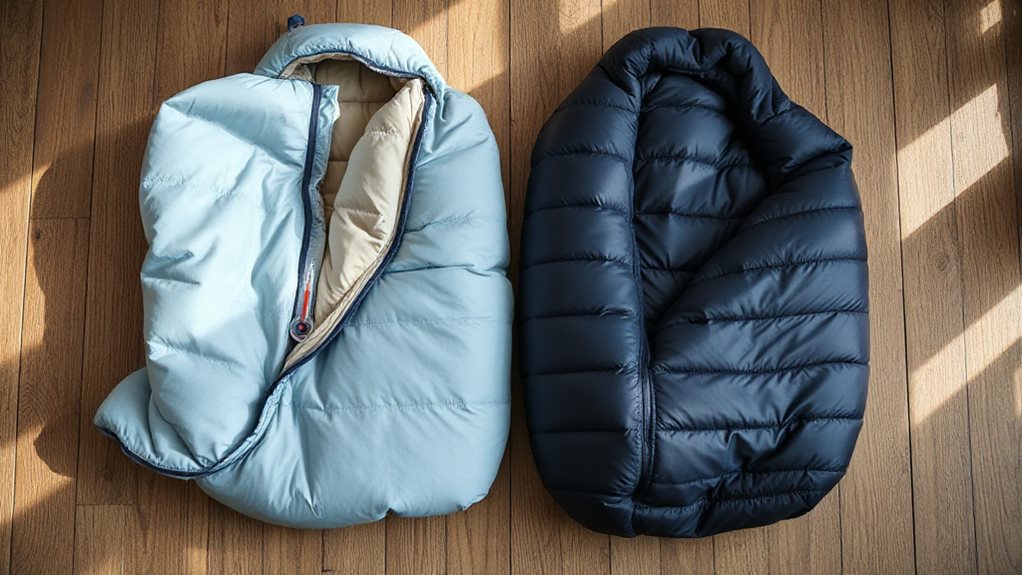
Ever wonder what the ISO 23537 comfort rating actually tells you? It’s the air temperature at which a standard woman can sleep eight hours, relaxed, without extra layers. The test uses a heated manikin in a lab, with a base‑layer outfit and a pad of R‑value > 5, measuring energy needed to keep skin temperature steady. This rating reflects a cozy, well‑rested night for average female sleepers, not extreme survival limits. Manikin shape variations across labs can affect the perceived warmth of the bag. Poison ivy awareness is useful for campers, since contact with urushiol can cause lasting skin irritation.
ISO 23537: Match Your Sleep Style and Gear to the Right Rating
How do you align your sleeping‑bag rating with the way you sleep and the gear you bring? If you’re a warm sleeper, pick a bag whose Limit sits 2‑5 °C below the expected low, then keep clothing light and use a thin foam mat.
Cold sleepers should target a Comfort rating about 5 °C under the forecast, pair it with extra layers, and trust the ISO 23537 test to reflect their relaxed posture. This matching ensures your sleep system stays balanced without over‑packing. In an emergency or hazardous situation, first assess scene safety before attempting any rescue or gear retrieval.
ISO 23537: Adjust Ratings for Ground Insulation, Layers, and Moisture
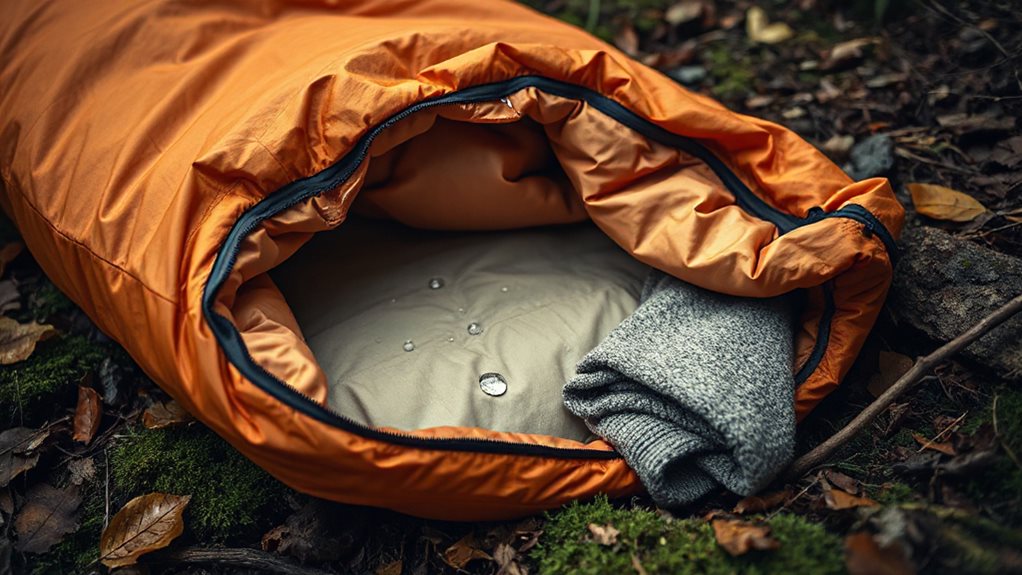
What happens to your sleeping‑bag’s temperature rating when you change the pad, add layers, or encounter moisture? A low‑R pad or wet conditions shave 10–20 °F off the rating, while extra clothing or a high‑R mat can push comfort lower. Think of the system as bag + pad + clothes; each component adds or subtracts insulation, so adjust expectations accordingly for freedom‑focused journeys.
ISO 23537 Calculator: Pick a Bag 10‑15 °F Colder
So, you’re wondering how to use the ISO 23537 calculator to choose a sleeping bag that’s 10–15 °F colder than your expected low temperature? Enter your forecast low, select the comfort rating, then subtract 10–15 °F. The result gives you a bag that leaves a safety margin, lets you vent excess heat easily, and accommodates unexpected dips, ensuring comfortable, unrestricted nights outdoors. After a dry fire incident, have the bow inspected by a professional to check for internal damage before further use.
ISO 23537: Choose Between Lower‑Limit and Comfort Labels?
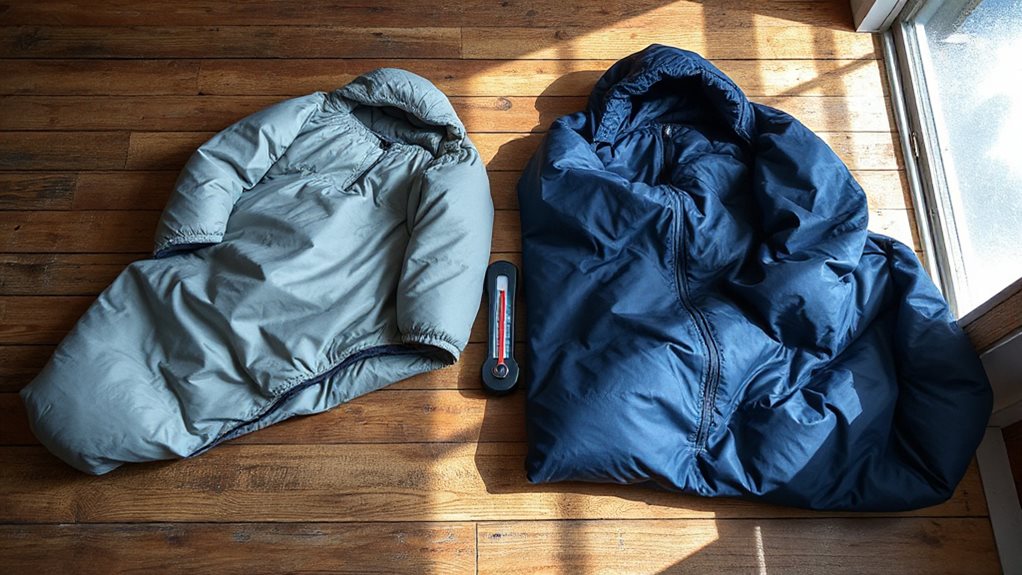
Ever wondered which ISO 23537 label—Comfort or Lower‑Limit—actually fits your sleeping style? Comfort ratings assume an average female, relaxed posture, and are 5‑10 °C warmer; Lower‑Limit ratings target an average male, curled posture, and indicate the coldest temperature a warm sleeper can endure. Choose Comfort if you’re a cold sleeper, Lower‑Limit if you stay warm, and always verify the ISO icon for certified testing. Many hikers also pick ratings based on the season and location they’ll be in, such as Big Bend for desert mountain trips.
Final Note
You’ve learned how ISO 23537 ratings translate into real‑world comfort, how your sleep style and gear affect the needed temperature, and how to factor in ground insulation, layers, and moisture. By choosing a bag 10‑15 °F colder than your expected conditions and deciding between lower‑limit and comfort labels, you’ll stay warm without overpaying for unnecessary insulation. Apply these guidelines, and you’ll confidently pick a sleeping bag that matches your trips and keeps you comfortable all night.


