
You’ll get the most out of Yellowstone by matching the season to your priorities: late May through early September gives you open roads, full services and warm 70‑80°F days, but July and August are crowded; early September or October offers cooler 30‑60°F weather, vibrant fall colors and fewer visitors; spring (March‑May) awakens bears, elk calves and wolf pups, though you’ll need bear spray and group safety; winter (mid‑December‑mid‑March) closes most roads but lets you explore via snowmobile, snowcoach tours and limited lodge stays, requiring a satellite communicator and itinerary sharing. Keep reading to uncover how to balance crowds, weather, and wildlife.
TLDR
- Late May – early September offers full road access, warm 70–80°F days, but July‑August are the busiest with heavy crowds.
- Early September – October provides cooler 30–60°F weather, fewer visitors, vibrant fall colors, and most roads remain open.
- Mid‑December – mid‑March limits automobile access; travel via North Entrance, snowmobile, or snowcoach tours with permits and satellite communication.
- Spring (March‑May) showcases wildlife awakening—grizzly activity, bison calves, elk, and wolf pups—requiring group travel, bear spray, and noise.
- Pack layered, waterproof gear year‑round; monitor rapid weather changes and road closures, and adjust plans accordingly.
Plan Your Trip: When Is the Best Time to Visit?
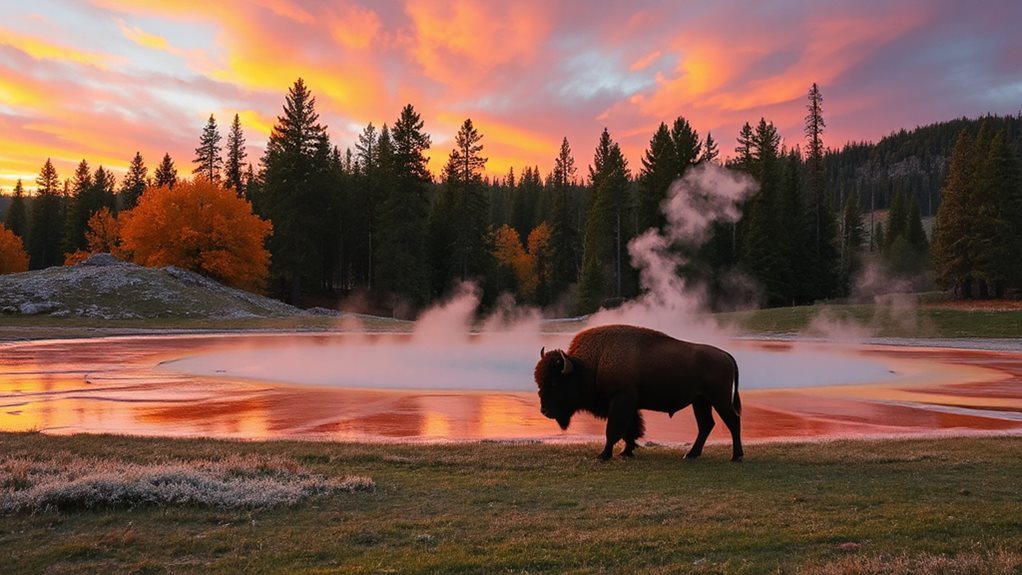
When should you schedule your Yellowstone excursion? If you crave open roads, full services, and warm days, aim for late May through early September; crowds peak in July, but you’ll enjoy 70‑80°F weather and all amenities.
For fewer people and lively wildlife, choose early September or October, when temperatures dip to 30‑60°F and crowds thin, still offering most roads open. Late May marks the start of the busiest season, with most park roads reopening and services fully operational. High humidity can make warm days feel more strenuous, so plan activities with humidity levels in mind.
Winter Access: How to Explore the Park When Roads Close
After enjoying the open‑road summer, you’ll find Yellowstone’s winter scenery shifts into a quiet, snow‑covered wonderland, but most automobile roads shut down from mid‑December to mid‑March. You can still drive the North Entrance to Mammoth, Tower Junction, and Lamar Valley, then join a licensed snowmobile or snowcoach tour, secure a lottery permit, stay at Snow Lodge, and check temperature limits and road maps before heading out. Plan your route thoroughly and share an itinerary with a trusted contact to stay safe while traveling in winter conditions and remote areas, and consider bringing a satellite communicator for emergency backup.
Spring Wildlife: Spot Bears, Wolves, and Baby Animals
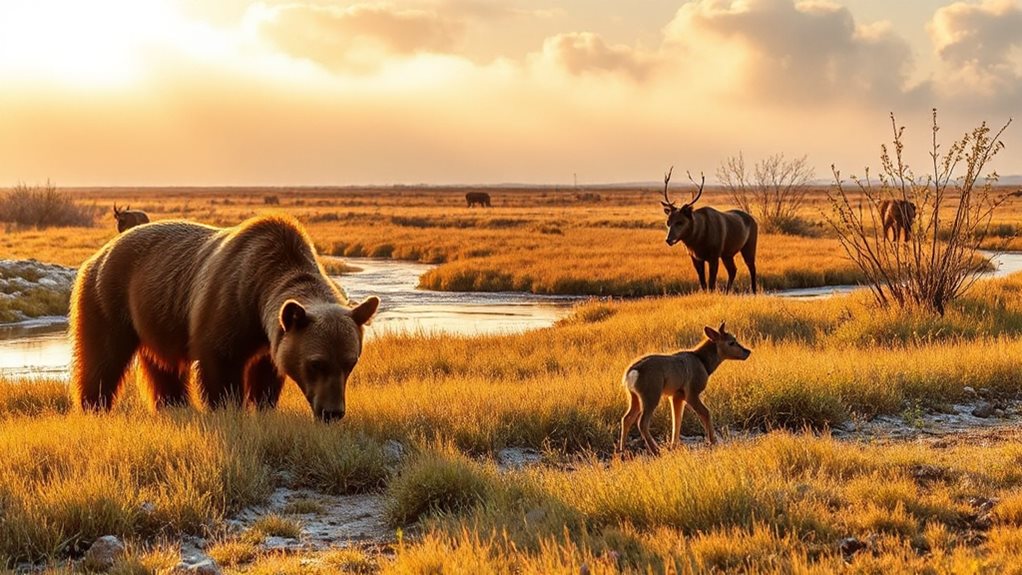
Ever wondered when Yellowstone’s wildlife truly awakens? In early March, male grizzlies emerge from dens, leaving fresh tracks near West Yellowstone; by April, females with cubs appear, while black bears show up across the north.
Bison calves, baby elk, and wolf pups arrive in April‑May, offering perfect predator and prey spectacles. Stay in groups, carry bear spray, make noise, and report sightings to rangers for safe, unforgettable spring viewing. Consider carrying bear spray and learning proper usage before heading into bear country.
Summer Crowds: What to Expect in July and August
What can you expect when you arrive at Yellowstone in July or August? You’ll encounter the park’s busiest months, with July drawing nearly a million visitors and August close behind at around eight hundred thousand. Roads, parking lots, and boardwalks fill quickly, especially in frontcountry zones, while the park manages density through ALPS and staffing enhancements. Plan early, use the NPS app, and stay flexible for a smoother journey. Keep fish chilled on ice before filleting to firm the flesh and ease handling, which is a common practice for preserving seafood freshness and safety keep fish chilled.
Fall Colors: Enjoy Mild Weather and Fewer Visitors
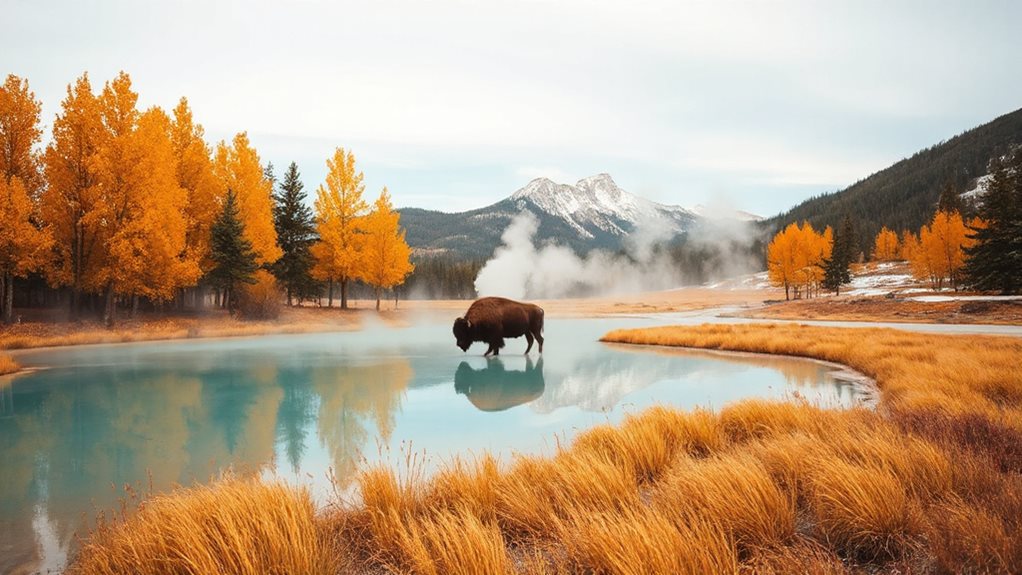
You’ll feel the crisp autumn temperatures as you wander the park, and the spectacular foliage will unfold around you in oranges, yellows, and reds.
Mid‑September through early October offers the best mix of comfortable weather and vibrant colors, especially in the northern areas and along Yellowstone Lake.
With fewer visitors after Labor Day, you can enjoy quieter trails and more space to soak in the scenery.
For added convenience during your trip, consider bringing a compact DIY support like a PVC sewer-hose system to help keep campground sewer connections stable and properly sloped.
Crisp Autumn Temperatures
When September rolls in, Yellowstone’s temperatures shift to a comfortable crispness, with daytime highs hovering around 64°F and nights dipping to the low 30s, a range that lets you explore the park’s lively fall colors without the sweltering heat of summer.
You’ll feel brisk mornings, mild afternoons, and cool evenings, perfect for hiking, wildlife spotting, and photographing landscapes.
Pack layers, stay flexible, and enjoy the freedom of fewer crowds while staying comfortable.
Spectacular Foliage Views
Ever wonder how Yellowstone’s autumn palette metamorphoses the terrain into a living canvas? From late September to early October, golden aspens, fiery cottonwoods, and red‑purple maples blaze across Mammoth Hot Springs, Lamar Valley, and Blacktail Plateau.
Warm days, crisp nights, and fewer crowds let you hike leisurely, spot elk, and soak vivid reds, oranges, and yellows before early frosts arrive.
Choose Your Season: Balancing Crowds, Weather, and Wildlife
You’ll want to weigh how many fellow travelers you’re comfortable sharing the park with, since crowds swing from sparse in spring and fall to packed in summer.
Check the typical weather patterns for each season—cool, snowy mornings in winter, warm afternoons and occasional thunderstorms in summer, and milder, variable conditions in the shoulder months.
Then match those conditions with wildlife activity, as bears, elk, and wolves are most visible during the spring thaw and fall, while winter offers unique snow‑coach sightings and fewer people on the roads.
Crowds vs. Comfort
Which season best fits your Yellowstone expedition—one packed with fellow travelers and lively wildlife activity, or a quieter stretch offering more space and milder weather? Summer draws nearly a million visitors, so expect packed trails, full parking lots, and active lodges, while May, September, and October cut crowds by half, keep roads open, and still showcase wildlife, giving you freedom to explore at a relaxed pace.
Weather Patterns Overview
How do the seasons shape Yellowstone’s weather, and what does that mean for your trip? Spring brings 30‑70°F days, snow‑laden mornings, and frequent rain; summer offers 70‑80°F highs, cool nights, and afternoon thunderstorms; fall drops to 40‑70°F with early snow; winter stays below 20°F, heavy snowfall, and occasional chinooks. Pack layered, waterproof gear, check forecasts, and adjust plans for rapid shifts.
Wildlife Activity Highlights
What season you pick will shape the wildlife you’ll encounter, the crowds you’ll maneuver, and the weather you’ll endure. In spring you’ll spot newborn bison, emerging bears, and chorus frogs; summer brings rutting bison, foraging bears, and soaring eagles; fall offers elk bugling, hyper‑phagic bears, and fewer tourists; winter reveals wolves, steaming bison, and quiet snow‑coach vistas, each providing unique, free‑spirit experiences.
Final Note
Pick the season that matches your priorities—whether you crave quiet winter surroundings, lively spring wildlife, busy summer activity, or colorful fall scenery. Each period offers distinct weather, crowd levels, and animal sightings, so weigh those factors against your schedule and preferences. By planning ahead and choosing wisely, you’ll experience Yellowstone’s natural wonders at their best, making your trip both memorable and rewarding.


