
Yes, outdoor activities can enhance sleep quality by syncing your circadian rhythm with natural light, raising core temperature for deeper rest, and lowering stress through green‑space exposure. A short morning walk or stretch lets bright light suppress melatonin, while moderate outdoor exercise raises your temperature and then cools down, signaling your body it’s time to wind down. Daily steps of 6,000–8,000 improve sleep structure and mood, and exposure to parks reduces cortisol. Follow a consistent light‑plus‑exercise routine and you’ll see faster sleep onset and richer deep sleep, plus more tips await if you keep going.
TLDR
- Brief outdoor exercise raises heart rate and core temperature, and the post‑exercise cooling period signals the body to wind down, promoting deeper sleep.
- Morning sunlight exposure within 30 minutes of waking suppresses melatonin, resets the circadian clock, and shortens sleep latency by 20‑30 minutes.
- Regular 6,000‑8,000 daily steps, especially in natural light, improve sleep structure, increase deep‑sleep duration, and enhance morning alertness.
- Time spent in green spaces lowers cortisol and boosts serotonin/dopamine, reducing stress and facilitating easier sleep onset.
- Consistent light‑plus‑exercise routines (moderate walk or bike ride followed by a dim‑light wind‑down) reinforce circadian alignment and improve overall sleep quality.
Quick Guide: Boost Your Sleep With Outdoor Time
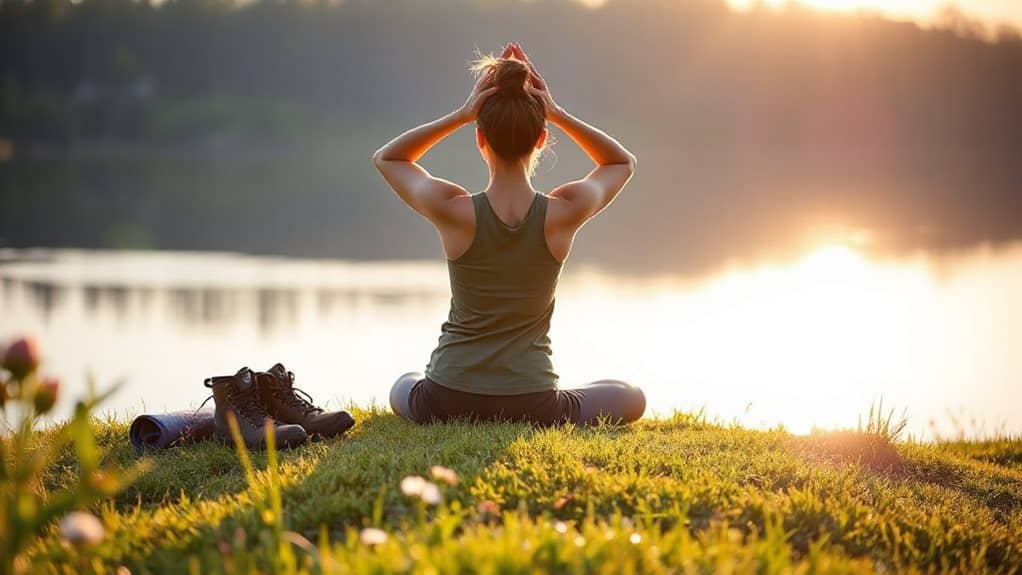
A quick guide to enhancing your sleep starts with spending more time outdoors, because moving outside not only raises your heart rate but also syncs your internal clock with natural light. You’ll feel stronger sleep pressure after a park walk, hike, or bike ride, as daylight‑rich exercise enhances melatonin, lowers stress, and improves overall sleep quality, while also supporting healthier weight and mood. Morning sunlight helps synchronize your circadian rhythm, making it easier to fall asleep at night. Spending regular short outdoor sessions—about 10–20 minutes daily—also reduces stress and sharpens focus, contributing to better sleep hygiene and overall mental health, thanks to green space exposure.
Reset Your Body Clock With Morning Sunlight for Outdoor Sleep Improvement
Step outside within the first half‑hour after waking and let the blue‑rich morning light hit your eyes for just five to ten minutes, because those specialized retinal cells send a powerful signal to your brain’s prime clock.
This natural cue suppresses melatonin, enhance cortisol, and aligns your circadian rhythm, which in turn makes it easier to fall asleep later and improves overall sleep depth.
Pair the light exposure with a brief outdoor walk or stretch, and you’ll reinforce the clock reset while also reaping the added benefits of gentle exercise on sleep quality.
Morning sunlight before 10 a.m. also shortens sleep latency by 20–30 minutes and improves deep‑sleep quality, supporting better sleep.
Morning Light Boosts Circadian Alignment
Morning sunlight is the strongest natural cue for syncing your internal clock, and just a few minutes outdoors within the first hour after waking can shift your circadian rhythm earlier, making evenings feel sleepy at the right time and improving overall sleep quality.
Step outside, soak 5‑10 minutes of bright light, avoid glass, and let retinal signals suppress melatonin, enhance morning cortisol, and anchor your day, so you wake refreshed and fall asleep naturally.
Outdoor Exercise Enhances Sleep Depth
Combine a brisk walk or jog with early‑day sunlight, and you’ll enhance both movement and light cues that deepen your sleep. Morning sun shifts your circadian clock, lowers sleep latency, and elevates melatonin while calming cortisol, so you fall asleep faster and stay asleep longer.
Consistent outdoor exercise aligns your internal rhythm, improves hormonal balance, and delivers deeper, more restorative sleep without costly interventions.
Boost Deep Sleep With Outdoor Exercise for Outdoor Sleep Improvement
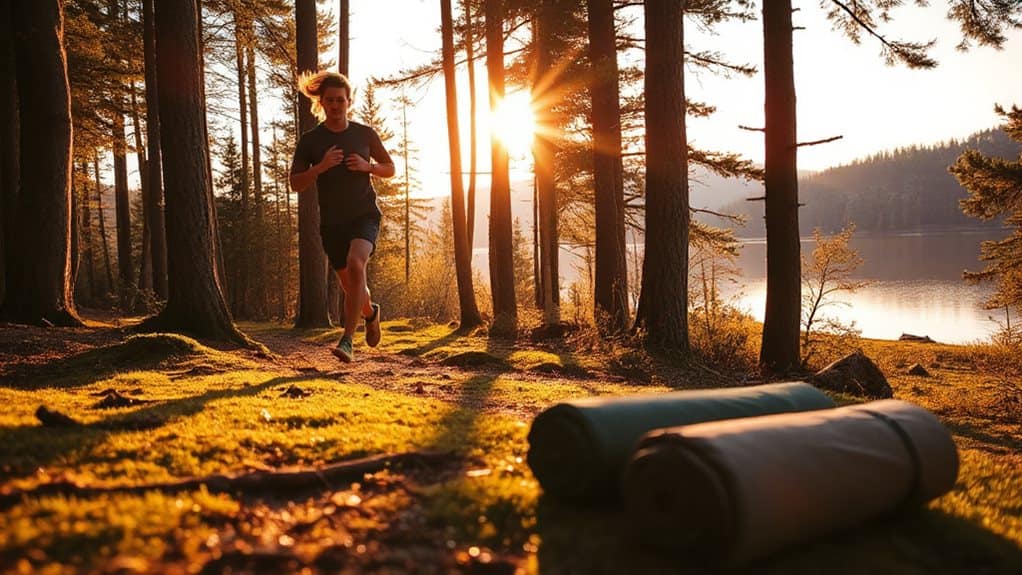
When you finish a moderate‑intensity workout outdoors—like brisk walking, jogging, or cycling—your core temperature rises, then drops about 30–90 minutes later, signaling your body that it’s time to wind down and that temperature decline helps you fall asleep faster and spend more time in deep, restorative sleep.
Aim for 30‑minute sessions three to six times weekly, enjoy daylight, and keep consistency; the post‑exercise cooldown and natural light together enhance deep‑sleep duration and overall sleep satisfaction.
Regular outdoor cycling and activities also boost cardiovascular fitness and increase VO₂max, which supports better sleep and overall health cardiovascular fitness.
Lower Stress By Visiting Green Spaces for Outdoor Sleep Improvement
You can lower your cortisol by taking calming nature walks, even just ten minutes among trees, because the green environment triggers a physiological stress response.
When you spend time in a park or garden, your mood stabilizes, serotonin and dopamine rise, and you feel less anxious, which prepares your body for restful sleep.
These simple, regular visits to green spaces make it easier for your nervous system to unwind, helping you fall asleep faster and stay asleep longer.
Hiking in natural settings has been shown to improve mood and reduce fatigue compared with urban walking, which can further support better sleep by lowering stress and promoting relaxation improved mood.
Calming Nature Walks
If you step into a park or a tree‑lined street for a short walk, your nervous system begins to downshift, activating the parasympathetic branch that quiets the fight‑or‑flight response and makes falling asleep easier.
A ten‑minute stroll among trees, birdsong, and rustling leaves lowers anxiety, steadies mood, and curbs rumination, so you enter bedtime with a calmer mind and a relaxed body, primed for deeper, quicker sleep.
Reduced Cortisol Levels
Spending just a few minutes in a park or garden can actually lower your cortisol, the hormone that spikes when you’re stressed, and that reduction translates into a calmer nervous system ready for sleep.
Research shows 20‑30 minutes in green space cuts salivary cortisol by roughly 18 % per hour, with benefits tapering after 30 minutes.
Repeating short visits builds a healthier daily cortisol rhythm, easing tension and supporting deeper, more restorative sleep.
Enhanced Mood Stability
When you step into a park or garden, the natural setting begins to calm your nervous system, and that calmness translates into steadier mood stability, which in turn supports better sleep.
Regular 30‑minute visits lower anxiety, reduce cortisol and other stress hormones, enhance happiness, and curb rumination, so you feel freer, more balanced, and ready for restorative rest.
Why Letting Sunlight Into Your Eyes Beats Staying in the Shade?
Because your eyes receive the brightest natural light, the brain gets a clear “daytime” signal that a shaded environment can’t provide, and that signal is the primary driver of your circadian rhythm.
Direct morning sunlight hits the retina, suppresses melatonin, enhances alertness hormones, and shifts your internal clock earlier, so you’ll fall asleep faster, enjoy deeper rest, and wake feeling freer and more energized.
Using outdoor time to boost daytime light exposure also pairs well with practical steps like reducing device distractions on the trail, such as enabling airplane mode, to preserve battery and stay present.
Prefer Morning Walks to Evening Strolls for Better Outdoor Sleep
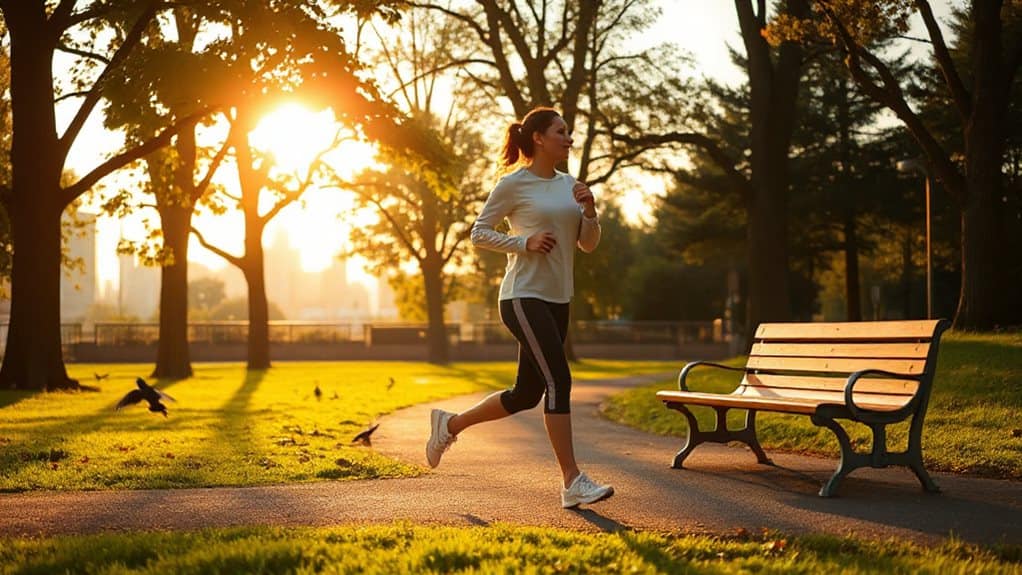
You’ll notice that a brisk walk in the morning lets you soak up bright light, which nudges your circadian clock earlier and primes your body for a regular sleep schedule.
That early‑day exposure to natural light, combined with gentle exercise, not only improves sleep timing but also deepens the restorative phases of your night.
While evening strolls still help, the morning boost to rhythm alignment gives you a clear edge for better outdoor‑supported sleep.
Morning Light Boosts Circadian Alignment
In the early hours after you rise, stepping outside lets natural daylight hit your eyes and sends a powerful signal to the brain’s central clock.
That light hits retinal cells that tell the suprachiasmatic nucleus to reset, advancing your circadian phase.
Just five to ten minutes outdoors, especially in bright sunshine, anchors your sleep‑wake cycle, enhances alertness, and eases bedtime, while evening light would delay it.
Exercise Enhances Sleep Depth
When daylight first hits your eyes during a morning walk, the surge of cortisol and the exposure to bright light work together to reset your internal clock, and that reset translates into deeper, more restorative sleep at night.
You’ll notice that 6,000‑8,000 daily steps, taken consistently, sharpen sleep structure, lower blood pressure, and improve insulin sensitivity, giving you the freedom to wake refreshed.
Evening strolls help, but they lack the circadian lift that morning walks provide.
How to Build a Combined Light‑+‑Exercise Routine
If you time your outdoor activity to align with natural light and your body’s circadian rhythm, you’ll enhance sleep quality while staying active.
Choose a 20‑30‑minute moderate walk, bike ride, or yoga session in the morning or midday, then cool down with gentle stretching and breathing.
Follow with a dim‑light wind‑down—shower, soft music, reading—so your body eases toward sleep, consistently reinforcing the rhythm.
Age‑Specific Light Tips for Older Adults

Because aging eyes need more light to see clearly, you should aim for brighter, cooler‑tone illumination during the day—around 4000 K—to enhance visibility and support circadian cues, while switching to warmer tones (1700–3000 K) in the evening to encourage melatonin production and a smoother shift to sleep.
Use dimmable LEDs, smart timers, and motion‑sensor hallway lights to keep pathways safe, reduce glare with diffusers, and personalize brightness for reading, hobbies, or dining, preserving independence and comfort.
Avoid Common Mistakes That Undermine Outdoor‑Sleep Benefits
Brighter, cooler‑tone lighting helps your eyes see better during the day and supports circadian cues, but once the sun sets the focus shifts to protecting the sleep you gain from being outdoors.
Avoid thin pads, bright screens, noisy roads, and weather‑mismatched gear; choose insulated mattresses, dark spots, earplugs, layered clothing, and safe, well‑drained sites.
These simple fixes keep your outdoor sleep restorative and uninterrupted.
Use This Quick Checklist for Restorative Outdoor Sleep

When you step outside each morning, the bright light instantly cues your brain to reset its internal clock, and a quick checklist can turn that cue into a night of deep, restorative sleep.
Get sunlight within minutes of waking, move outdoors daily—walk, garden, bike—use nature breaks to unwind before evening, keep exposure consistent, and let the rhythm of light and activity guide you toward freer, healthier sleep.
And Finally
By stepping outside each day, you’ll sync your circadian rhythm, enhance deep‑sleep phases, and lower stress, all of which translate into more restorative nights. Morning sunlight resets your internal clock, while regular outdoor activity promotes stronger, longer REM cycles. Green spaces further calm the mind, making it easier to drift off. Tailor light exposure to your age, avoid common pitfalls, and follow the quick checklist to turn outdoor time into a reliable sleep‑enhancing habit.


