You keep your gear dry with a dry bag, a waterproof container built to seal out water using tough materials like PVC or TPU and welded seams that stop leaks. Its roll-top closure gets three tight folds to block water, making it submersible up to 1.5 meters. You’ll protect electronics, clothes, and food from rain, rivers, or splashes, whether hiking, kayaking, or commuting. It’s simple, reliable, and built to last—especially when you care for it right. There’s more to get right, from size to smart uses.
TLDR
- Dry bags use waterproof materials like PVC or TPU and sealed seams to keep gear dry in wet conditions.
- Roll-top closures with multiple folds create a watertight seal, protecting contents even when submerged.
- They are essential for safeguarding electronics, clothing, and food during outdoor activities like hiking and kayaking.
- Available in various sizes, from 2L for day hikes to 100L for group camping or river expeditions.
- Durable, easy to clean, and reusable, dry bags also serve as emergency flotation or portable storage.
Understand How Dry Bags Keep Gear Dry
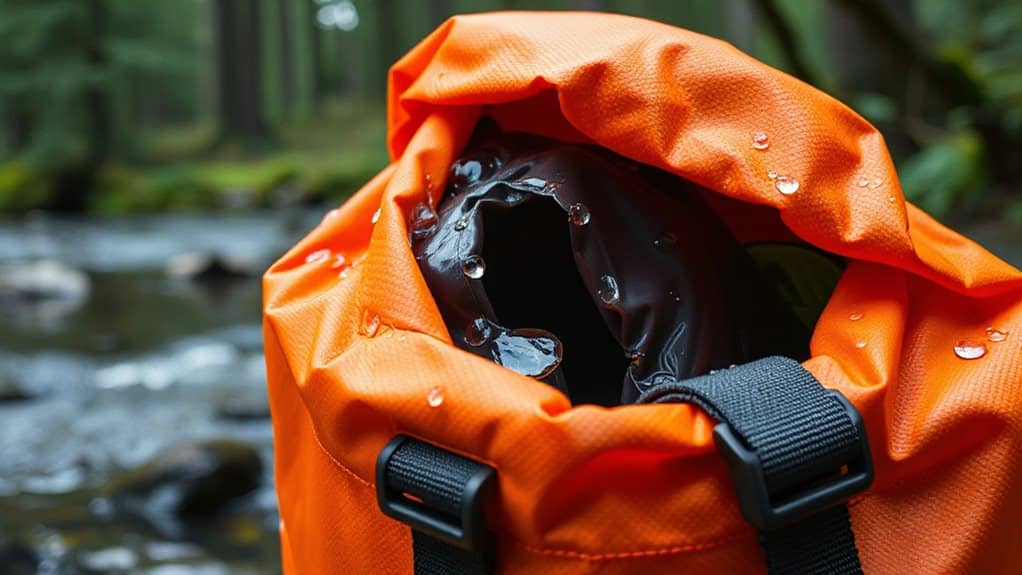
While your gear’s safety depends on more than just tough fabric, the materials used in dry bags are a critical first line of defense against water.
You’ll find waterproof coatings like polyurethane or PVC, with hydrostatic heads over 10,000mm, paired with durable nylon bases.
Welded seams eliminate stitch holes, and roll-top closures—sealed with three tight folds—keep water out, even underwater.
This reliable performance is especially important when submersion up to 1.5 meters is a risk during river crossings or accidental drops in water.
Canvas tents offer natural water resistance and durability, making them a good comparison when considering breathable materials.
Why Every Outdoor Adventure Needs a Dry Bag
You need a dry bag to keep your gear safe from water, no matter the season or expedition.
It’s a go-to solution for everything from kayaking and hiking to city commutes and flights, thanks to its tough, waterproof design.
With one, you’re ready to protect your essentials, stay prepared, and move freely through any environment.
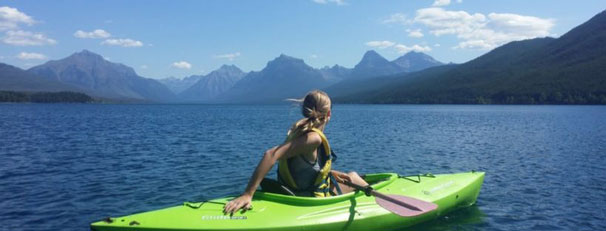
Kayaks are often preferred for wet conditions because their double-bladed paddle and streamlined design make them easier to maneuver and transport.
Waterproof Gear Protection
When venturing into the great outdoors, keeping your gear safe from the elements is non-negotiable—and that’s where a dry bag truly earns its place in your pack.
You’ll rely on its waterproof materials, sealed seams, and roll-top closure to block rain, snow, or river splashes. It shields electronics, clothing, and food, so your essentials stay dry, functional, and ready—no matter the conditions you face.
Essential For All Seasons
A dry bag doesn’t just guard your gear from water—it’s a reliable companion no matter the season or setting.
You can trust it in rain, snow, or blazing sun, whether kayaking in summer or hiking rugged trails in winter.
Tarpaulin and tough materials shrug off wet, dusty, or muddy conditions, so your essentials stay protected, trip after trip, year-round.
Multi-Use Outdoor Solution
Whether tackling swift rivers or trekking through sudden downpours, a dry bag proves to be a go-to solution for staying organized and prepared across countless outdoor activities.
You’ll stash wet gear separately, pack dry clothes, snacks, or lunches, and secure it all on kayaks or paddleboards with ease.
It’s rugged, simple to clean, and keeps your essentials protected—no matter where the excursion takes you.
Roll-Top vs. Zippered: Which Is Best for You?
How do you decide between a roll-top and a zippered dry bag when both seem to do the job? You value freedom, so match your choice to your expedition. Need tough, waterproof protection for rivers or rain? Go roll-top.
Prefer quick access and organization for daily use? Choose zippered. Each excels where it matters most—pick based on your trek, not the gear. Consider also carrying a drinking-water hose for safe, potable water access on trips where water safety matters.
Pick the Right Dry Bag Size by Activity
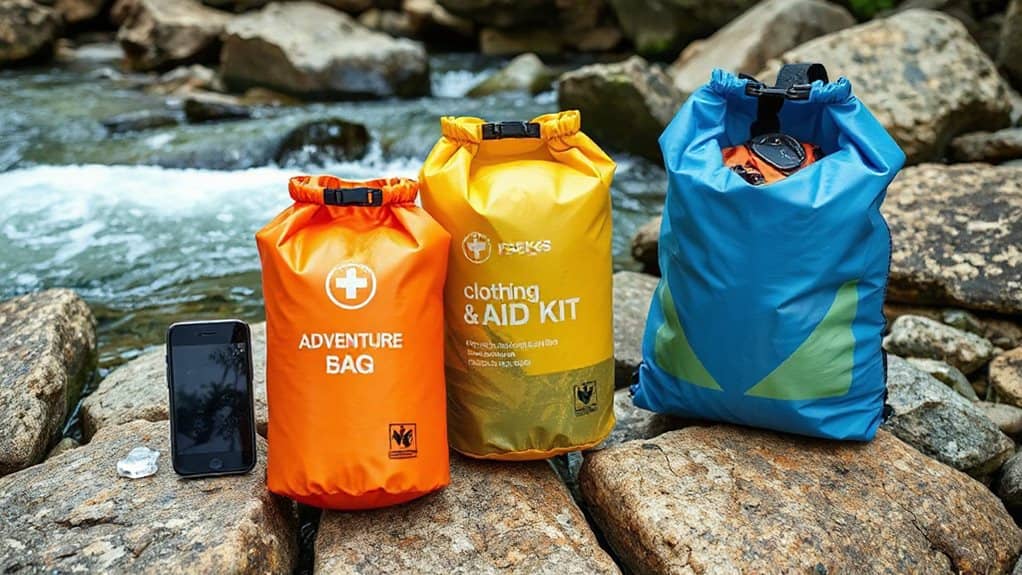
Choosing the right dry bag size doesn’t have to be complicated—match it to your activity, and you’ll stay organized, dry, and ready for anything. For day hikes, go with 2–10L to hold keys, snacks, and a shell.
Weekend trips? 10–20L works for clothes and a sleeping bag.
Multi-day backpacking needs 30–60L, while kayaking fits 5–30L depending on gear.
Camping or group trips can use 20–100L for shared supplies.
Consider pairing your dry bag with a backpack cover for extra rain protection on longer treks.
Which Dry Bag Material Lasts the Longest?
You want a dry bag that stands up to tough conditions, and choosing the right material makes all the difference.
PVC tarpaulin and reinforced vinyl last longest for heavy-duty use, thanks to their resistance to tears, abrasions, and UV exposure.
For lighter, eco-conscious needs, TPU and ripstop nylon offer strong durability with added flexibility and sustainability.
For best long-term performance, remember to rinse after saltwater use and let the bag dry thoroughly before storage.
Durable Material Comparison
When it comes to picking a dry bag that stands the test of time, the material makes all the difference—some hold up better under constant use, rough terrain, and harsh weather.
PVC tarpaulin offers high abrasion resistance and strength, lasting through thousands of cycles. TPU provides flexibility and durability, while ripstop nylon prevents tears. For heavy-duty needs, ballistic nylon or scrim-reinforced vinyl delivers unmatched toughness in extreme conditions.
Longevity By Use Case
Often, the longest-lasting dry bag depends on where and how you use it—each material brings strengths that shine in specific scenarios.
Choose PVC for rugged outdoor excursions, TPU for eco-conscious expeditions, nylon for heavy loads, ripstop nylon for frequent use, and polyester for everyday reliability.
Your lifestyle decides the toughest option, ensuring your gear stays safe, trip after trip, no matter the challenge ahead.
Best Dry Bag Type for Kayaking, Hiking, and More
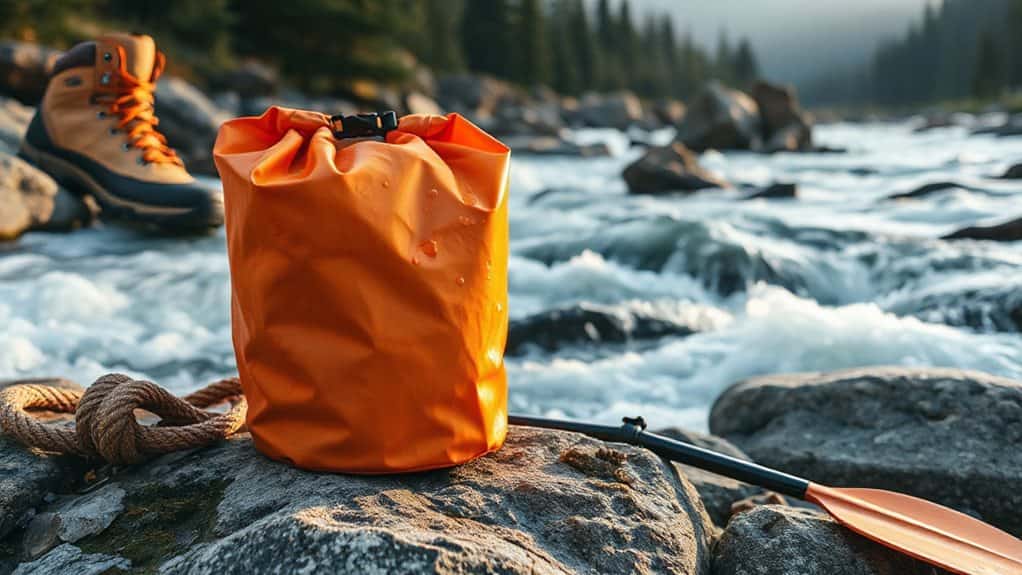
Whether you’re negotiating rapids, trekking through backcountry trails, or spending a day on the water, choosing the right dry bag can make all the difference in keeping your gear safe and dry.
Use roll-top bags for kayaking or paddleboarding—they’re simple and waterproof.
Opt for compression sacks when hiking to save space.
Pick duffel-style or heavy-duty bags for river trips, and go with backpack-style if you need hands-free carry on wet excursions.
5 Unexpected Ways to Use a Dry Bag Off the Water
Thinking beyond the river or trail, you’ll find your dry bag pulls double duty in surprising off-the-water roles. Use it as a portable water bucket, emergency flotation, or makeshift cooler.
Stuff it with clothes for a pillow, seal in laundry odors, or protect gear from dust. It’s a versatile, lightweight tool that keeps you prepared, organized, and free to roam—anywhere.
Seal It Right: Dry Bag Care Tips That Last
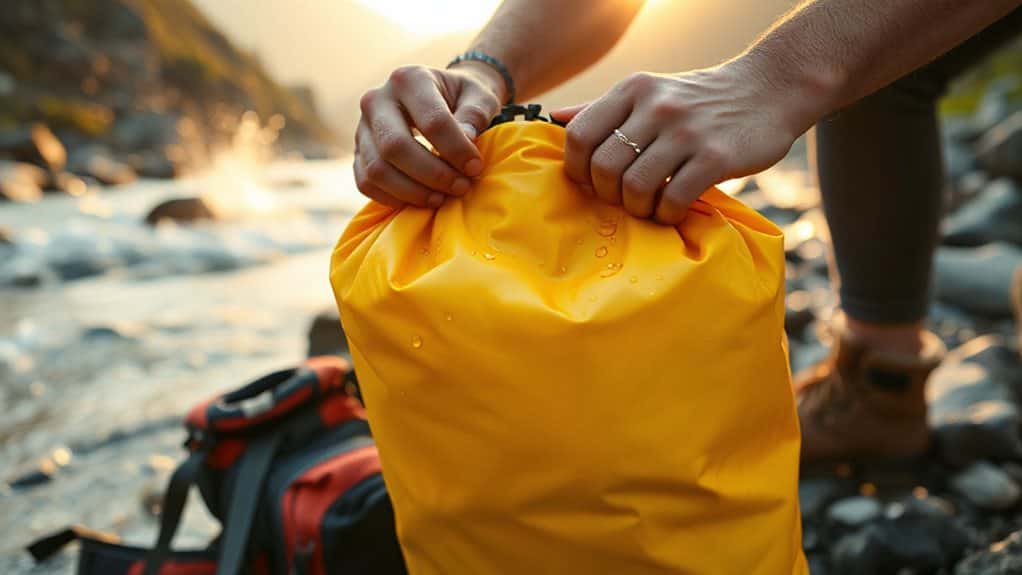
When you’ve relied on your dry bag to keep gear safe in wet conditions, giving it proper care guarantees it keeps performing trip after trip.
Empty it, rinse with warm water, then gently scrub with mild soap.
Rinse thoroughly, hose out stubborn grime, and air dry upside down—never in direct sun.
Store clean, dry, and loosely folded.
Avoid machines, heat, and harsh chemicals.
Final Note
You now know how dry bags protect your gear, from roll-top seals to durable materials. Whether you’re kayaking, hiking, or caught in sudden rain, the right dry bag keeps essentials safe and dry. Pick the correct size and type for your activity, and remember to seal it properly every time. With proper care, your dry bag will last for years. It’s a simple, smart addition to any outdoor excursion—don’t head out without one.