
If the temperature rises above 80°F, it becomes riskier to hike safely, especially during peak heat hours between 11 a.m. and 3 p.m. High temperatures, combined with factors like sun exposure, humidity, and direct sunlight, increase the chances of heat exhaustion and dehydration. Early mornings or late afternoons are safer, but monitoring weather conditions and personal responses is key. Staying well-hydrated and taking shade breaks help manage risks—continue exploring to learn how environmental factors influence safe hiking conditions.
TLDR
- Safe hiking temperatures generally stay below 80°F to prevent heat-related risks.
- Peak heat danger occurs between 11 a.m. and 3 p.m., especially in direct sunlight.
- Early mornings around 5 a.m. are safer due to cooler temperatures.
- High UV levels and humidity increase heat stress, even at lower temperatures.
- Listen to your body and seek shade if you experience signs of heat exhaustion.
How to Recognize Safe Temperatures for Hot Weather Hiking
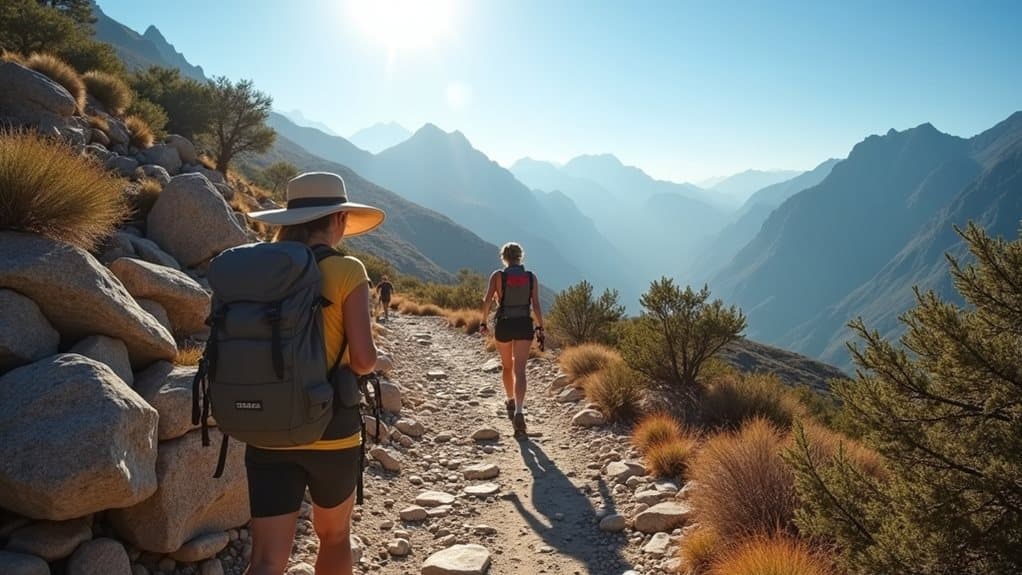
To recognize safe temperatures for hot weather hiking, it’s important to stay informed about the current weather conditions and understand how temperature, humidity, and UV levels interact.
Regular weather monitoring helps you avoid heat exhaustion and adjust plans proactively.
Typically, safe temperatures stay below 80°F, but always listen to your body and consider shade or cloud cover for comfort.
What Environmental Factors Increase Heat Risks During Hikes?
Environmental factors play a significant role in increasing heat risks during hikes, often amplifying the effects of high temperatures. A high UV index and direct sunlight can raise risks.
While shaded areas—found in canyons, forests, or north-facing slopes—offer relief. Monitoring cloud coverage, wind, and humidity also helps manage heat stress and hydration needs.
How Can You Assess Your Personal Heat Tolerance and Get Ready?
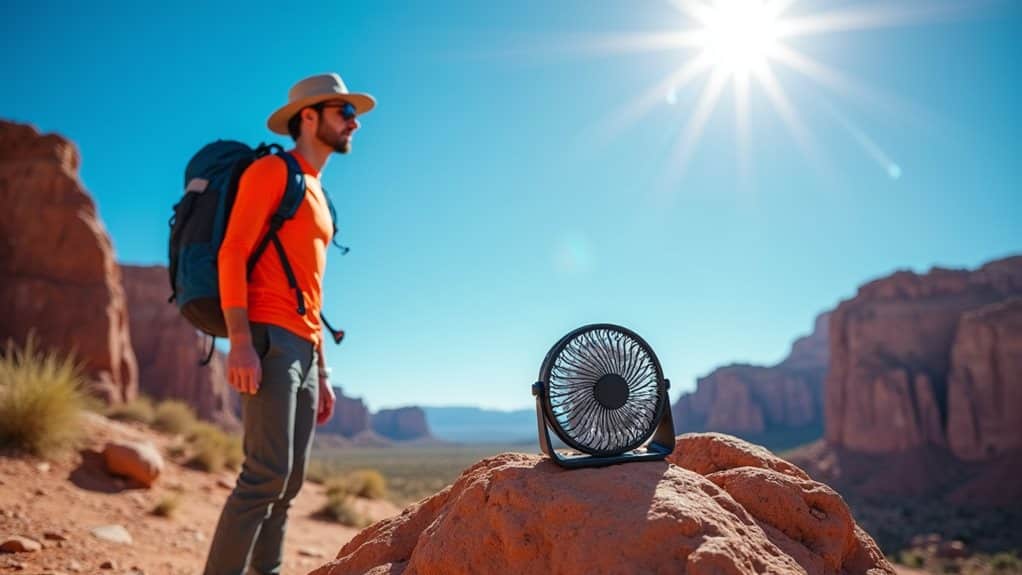
Evaluating your personal heat tolerance begins with paying close attention to how your body responds during outdoor activities. Monitoring signs like sweating, energy levels, and early signs of heat stress helps you understand your limits. Acknowledging how your body reacts to different temperatures can also help you identify suitable safe cooking methods and hydration strategies for hot conditions. Staying well-hydrated and gradually increasing exposure to hot conditions can improve your heat tolerance, making hikes safer and more enjoyable.
When Is It Too Hot to Hike Based on Time and Conditions?
Knowing when it’s too hot to hike depends heavily on the time of day and current weather conditions. Hot temperatures pose risks, especially during peak heat between 11 a.m. and 3 p.m. To stay safe, plan early morning hikes around 5 a.m., when temperatures are cooler and you can avoid the hottest part of the day. Being aware of the heat index safety can help you better assess environmental risks and prevent heat-related illnesses.
What Are Practical Tips to Stay Safe and Cool in Hot Weather?
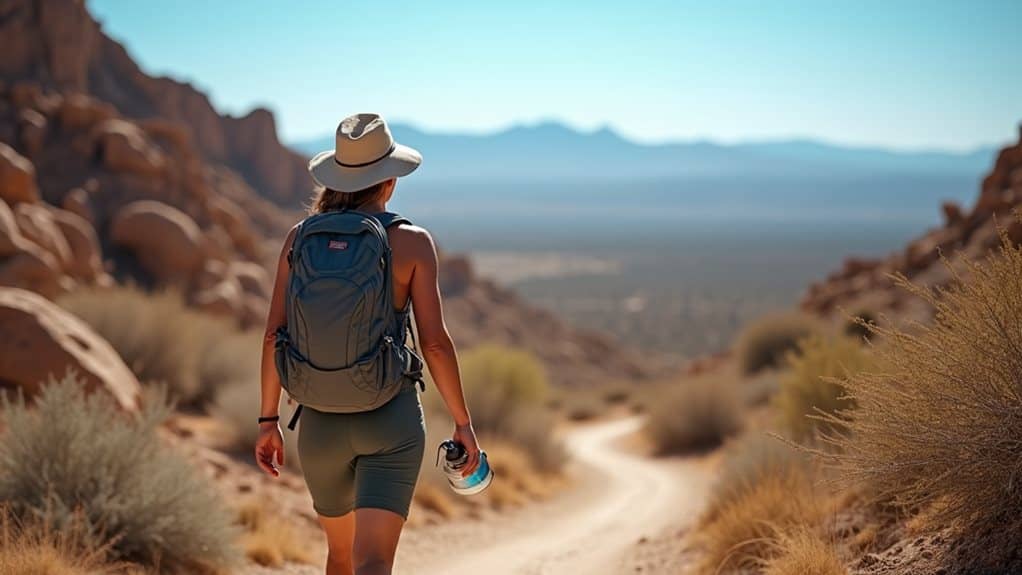
Staying safe and cool during hot weather hikes requires careful planning and practical strategies. Carry sufficient water—at least half a liter per hour—and use sun protection like UPF-rated clothing and wide-brimmed hats. Take frequent rest breaks in shaded areas, and avoid heat exhaustion by starting early and monitoring signs like dizziness or cramps. Be mindful of personal sweat rate and adjust your hydration accordingly to prevent dehydration.
Final Note
Understanding safe temperature thresholds is essential for enjoyable, injury-free hikes in hot weather. By recognizing environmental factors, evaluating your personal heat tolerance, and monitoring conditions such as time of day and humidity, you can make informed decisions about when to hike. Staying cool and hydrated, wearing appropriate clothing, and listening to your body are key strategies. Prioritize safety over exploration when temperatures become dangerously high, ensuring your outdoor experience remains positive and healthy.


