
Start with short, manageable habits: walk 30 minutes three times a week, then add 1-minute run/2-minute walk intervals for 20-30 minutes, keeping the pace conversational and stretching before and after; increase distance gradually, never more than 10% per week. Ride a certified helmet, signal turns, avoid earbuds, and stick to protected lanes or a buddy for safety. Fish with a simple one-handed rod and bobber rig, rinsing gear after saltwater use, and try surf fishing with a longer rod for added excitement. Pack layered clothing, a temperature-rated sleeping bag, basic first-aid, and essential toiletries for camping and hiking, and always treat blisters and cuts promptly. Block regular outdoor slots after homework, using time-blocking and alarms to balance study, chores, and recreation, which enhances mood, fitness, and social resilience. Continue reading to uncover more detailed tips.
TLDR
- Start with short, manageable habits like 30‑minute walks three times a week, then progress to run‑walk intervals for 20–30 minutes.
- Wear a certified helmet on every bike ride, avoid earbuds, and follow traffic rules to stay safe.
- Use a simple one‑handed fishing rod with a 4–12 lb line and bobber; adjust bobber depth if bites are slow.
- Pack layered clothing, sturdy shoes, a temperature‑rated sleeping bag, and a basic first‑aid kit for camping and hiking.
- Block dedicated outdoor time in your weekly schedule to boost mood, fitness, and social resilience.
How to Start Running, Jogging, and Trail Running for Teens
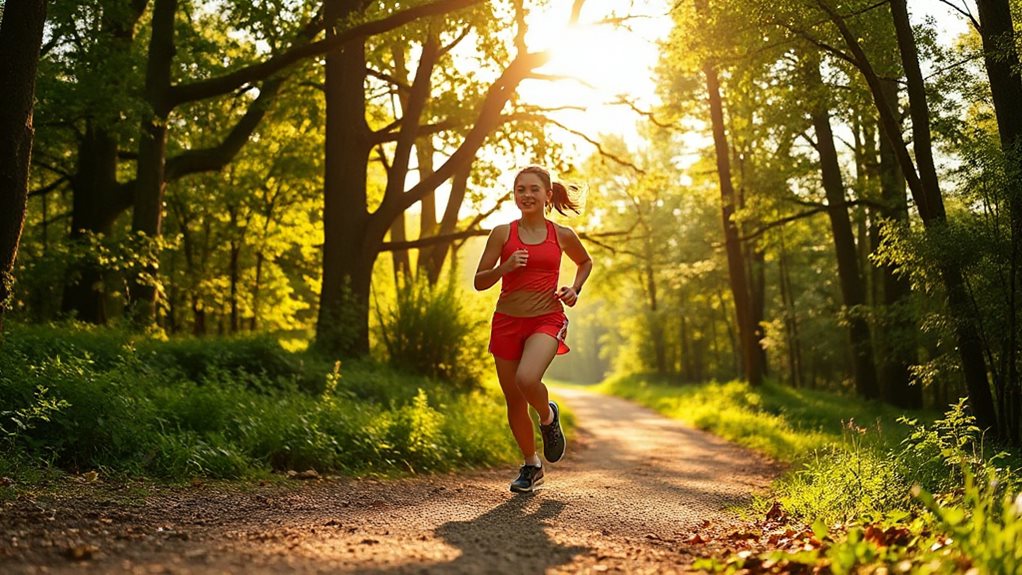
If you’re ready to lace up and hit the trail, start by treating each session as a short, manageable habit rather than a marathon effort.
Begin with 30‑minute walks three times a week, then add 1‑minute run/2‑minute walk intervals for 20‑30 minutes. Consider incorporating gradual increases in intensity and distance as strength and endurance improve.
Keep the pace conversational, stretch before and after, and increase mileage no more than 10 % weekly.
Gradually shift to nonstop miles, respecting age‑specific limits.
Children have fewer sweat glands which makes heat dissipation less efficient.
Biking Tips for Teens: Road, Mountain, and BMX Fun
Ever wondered how to make biking both fun and safe for teens across road, mountain, and BMX terrains? Wear a certified helmet every ride—cutting head‑injury risk by over 50%—and never use earbuds in both ears.
Ride with traffic, signal turns, and keep your backpack low. Choose protected lanes when possible, travel with a buddy, and stay off phones to stay aware. The Rio Grande in Tierra del Fuego is famed for brown trout and attracts anglers from around the world.
Teen Fishing 101: Freshwater & Saltwater Basics
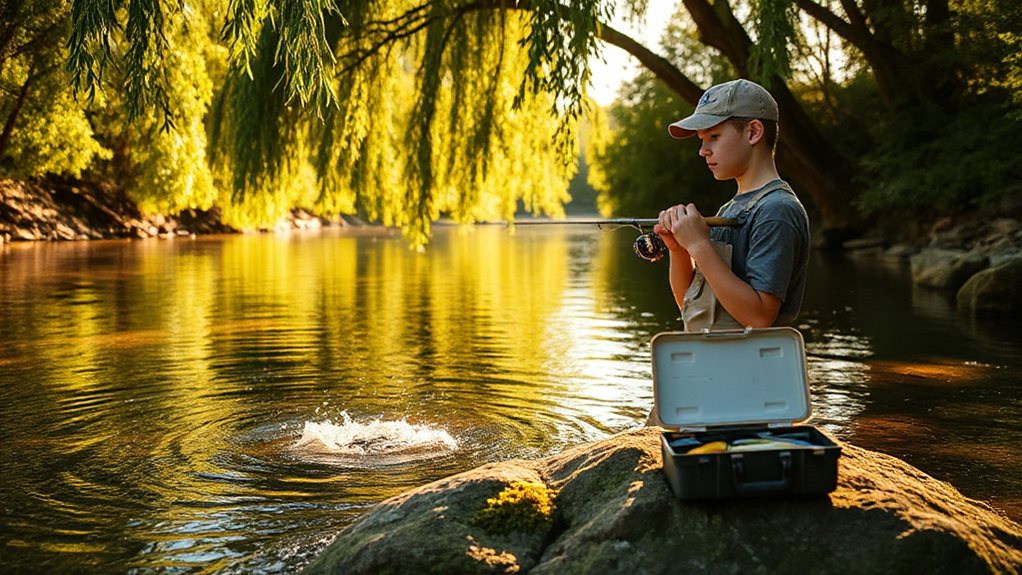
What makes fishing such a great hobby for teens is its blend of patience, skill, and the thrill of a bite, whether you’re standing on a quiet lake shore or casting from a sunny beach.
Choose a one‑handed rod, 4‑12 lb monofilament, and a simple bobber‑hook rig; slide the bobber deeper if bites lag.
For surf, use an 8‑9 ft rod, 14‑20 lb line, a #1 circle hook, and two‑handed casts.
Keep gear fresh‑rinsed after saltwater use.
Spring and fall trips are often best when water temperatures are between 55° and 75°F, making seasonal timing ideal for teen anglers.
Teen Camping Essentials: From Backyard Glampsites to Backpack Adventures
After a day on the water, swapping a rod for a sleeping bag feels natural—both activities teach patience, preparation, and respect for the outdoors. Pack layered shirts, a windbreaker, two sturdy shoes, and ample socks; bring a temperature‑rated sleeping bag, pillow, pad, and sheets. Include toiletries, sunscreen, insect repellent, meds, and towels. Load a stove, fuel, cookware, dishes, cooler, water jugs, flashlight, tent, tarp, stakes, first‑aid kit, and a few games for downtime. Always carry a basic first‑aid kit and know how to treat common injuries like blisters and cuts, including proper cleaning and dressing techniques, to reduce risk and improve outcomes first‑aid kit.
Teen Hiking Hacks: Safe Trails and Scenic Routes
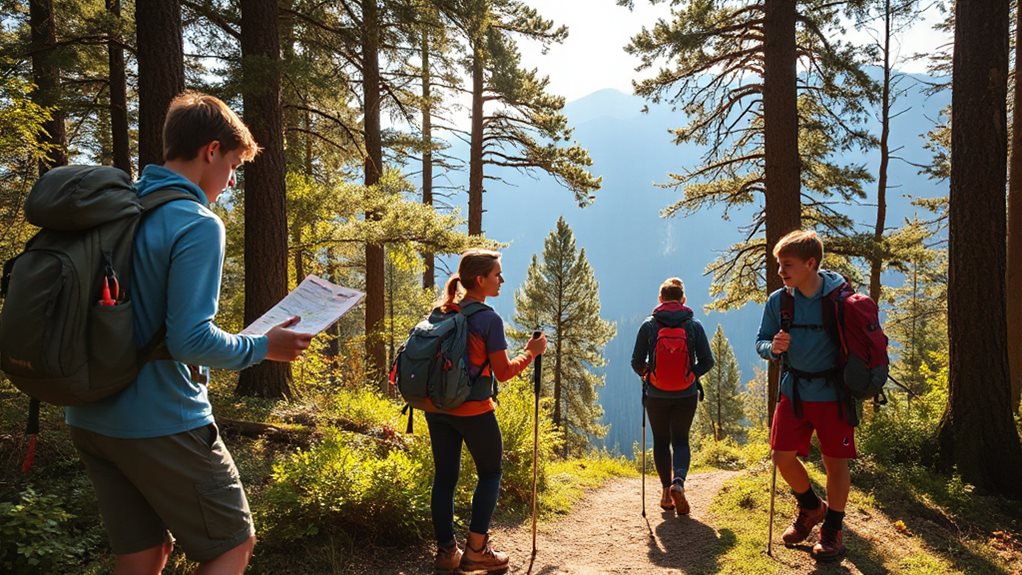
Where can you find the safest, most scenic trails for a teen hike? Check state park websites for current conditions, download hard‑copy maps, and choose routes with low traffic and good lighting. Join friends, discuss the plan, and bring a charged phone and a basic first‑aid kit. Prioritize areas like Gateway Arch or Petrified Forest, where fatalities are rare, and stay alert for weather changes and wildlife. Consider bringing a 12-pound fluorocarbon leader when hiking near waterways to reduce line visibility if you plan to fish.
Teen Time‑Management Hacks: Balancing School and Outdoor Fun
You should finish homework before you head out, because a clear priority reduces stress and frees up mental space for fun; then block a regular slot for outdoor activities, like a weekday evening or Saturday morning, so it becomes a habit you can count on.
Using time‑blocking techniques, you can assign specific minutes to studying, chores, and recreation, then set alarms or calendar reminders to keep each block on track.
This structure lets you enjoy the fresh air without sacrificing grades, and the routine makes it easier to stick to your goals.
Prioritize Homework Before Play
When you schedule homework first, you create a solid foundation that lets you enjoy outdoor activities without the lingering stress of unfinished assignments.
Prioritizing tasks means you’ll stay within the 2.3‑hour outdoor benefit window, avoid displacing study time, and keep performance steady.
Schedule Fixed Outdoor Slots
How can you make outdoor time a non‑negotiable part of your week without sacrificing schoolwork? Reserve the same two‑hour slot each Saturday and Sunday for hiking, biking, or volunteer work; treat it like a class you can’t miss.
Fixed nature slots enhance mood, reduce screen time, and help you hit the 60‑minute activity guideline, while still leaving weekdays free for homework and friends.
Use Time‑Blocking Techniques
Ever wondered why some teens seem to juggle homework, sports, and a social life without breaking a sweat? Use time‑blocking with color‑coded planners or digital calendars, slotting school work, outdoor games, and buffer breaks into hour‑long blocks. Anchor meals or workouts, review each morning in five minutes, and keep weekend flexibility. Visual cues, micro‑goals, and Pomodoro intervals keep focus sharp, stress low, and freedom intact.
Teen Health Benefits of Outdoor Activities (Mood, Fitness, Social Life)
Why does stepping outside feel so rejuvenating for teens? You’ll notice mood lifts—happiness spikes, stress drops, and calm settles in, especially after 120 minutes weekly in nature.
Fitness improves as daily movement builds strength, cardiovascular health, and shape.
Socially, shared hikes or games spark kindness, deepen connections, and enhance confidence, while consistent outdoor play sustains overall mental resilience.
Final Note
By mixing running, biking, fishing, camping, and hiking into your routine, you’ll promote fitness, sharpen time‑management, and expand your social circle. Each activity offers unique skills—trail running builds endurance, mountain biking hones balance, fishing teaches patience, camping nurtures self‑reliance, and hiking enhances orientation. Welcome the variety, stay safe, and let the outdoors become a regular part of your life; the health and confidence gains will follow naturally.


