
You can start with hiking, which needs only sturdy boots, a daypack, and a map or GPS app; beginner trails give scenic views and a safe intro to outdoor navigation. Budget camping follows, letting you borrow or rent gear, pick free forest sites, and keep first‑trip costs around $574.50 before dropping to about $100. Cycling is next, requiring a certified helmet, flat pedals, and a compact repair kit for confidence on the road. Fishing needs a medium‑action rod, a spincast reel, monofilament line, and a license, while trail running calls for a gentle‑gradient route, a GPS watch, and gradual mileage increases. If you keep exploring, you’ll discover more details on each hobby.
TLDR
- Hiking: Start with sturdy boots, a daypack, map or GPS, and layered clothing; begin on short, scenic, beginner-friendly trails.
- Camping: Borrow or rent gear, choose free or low‑cost sites, and gradually build a minimal kit; first trip may cost around $574, then drop to $100.
- Biking: Use a helmet meeting safety standards, a comfortable bike, basic repair tools, and a bright light for safety on beginner routes.
- Fishing: Choose a pre‑assembled medium‑action rod, spincast reel, appropriate line and hook, and carry a license plus simple tools.
- Trail Running: Pick gentle, well‑marked routes under 10 miles, increase mileage ≤10 % weekly, and use a GPS watch or app for navigation.
Start Hiking As Your First Outdoor Hobby
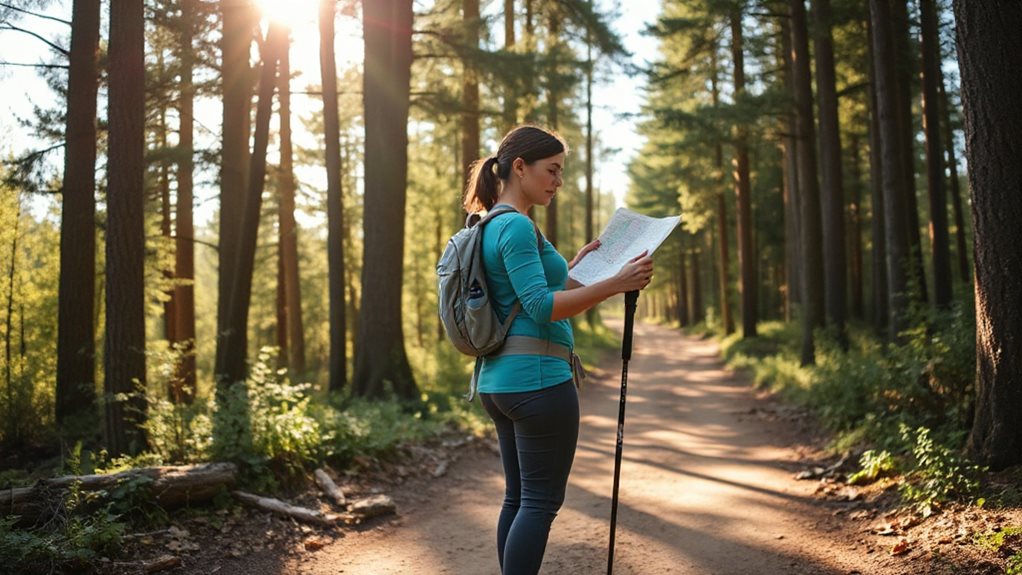
Ever wondered how to turn a simple walk into a rewarding outdoor hobby? Grab sturdy hiking boots or trail shoes, a lightweight daypack with a hydration sleeve, and a map or GPS app. Consider starting on beginner-friendly trails that showcase scenic views to build confidence.
Pack a reusable water bottle, a basic first‑aid kit, and a headlamp with spare batteries.
Layer moisture‑wicking clothing, bring a waterproof jacket, and carry a whistle for safety.
Practice gear at home, then hit beginner‑friendly trails. Inform a trusted friend of your route.
Camp On A Budget For New Outdoor Hobbyists
How can you enjoy a full‑blown camping experience without draining your wallet? Borrow or rent gear, attend swap meets, and buy essentials gradually; pick free or low‑cost sites in national forests or off‑season parks, and compare prices with apps. Learn basics from YouTube, pack simple meals, share costs, and track expenses—your first trip may cost $574.50 total, then drop to $100, giving you freedom without breaking the bank. Check local laws and consult a lawyer or parole officer before purchasing archery gear like a compound bow if you have a felony conviction and want to hunt with it, as rules vary by state and may restrict ownership of such equipment; see compound bow regulations.
Bike With The Right Gear For Beginners
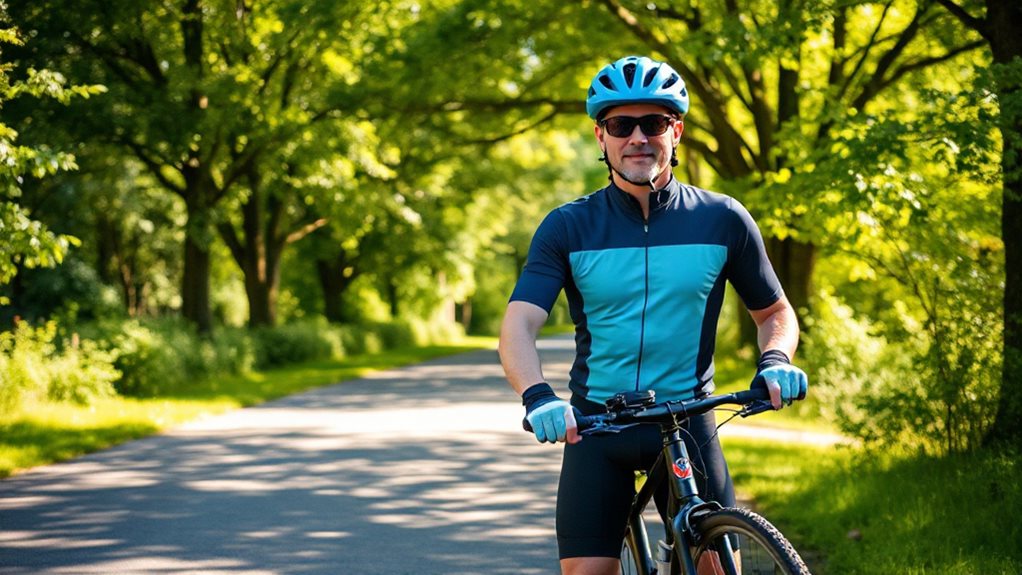
You’ll want a helmet that meets CPSC or EN1078 standards, a reliable pump for your tires, and flat pedals that give you solid control from the start.
Pair those basics with a comfort‑fit bike—padded shorts, a moisture‑wicking jersey, and gloves—so you stay comfortable on longer rides.
Adding a spare tube, multi‑tool, and a bright light will keep you safe and prepared for any unexpected hiccup.
Essential Safety Gear
When you hop on a bike for the first time, the right safety gear can mean the difference between a confident ride and an avoid setback. Wear a CPSC‑ or EN‑1078‑certified helmet with a snug fit and MIPS liner to cut head injury risk, pair it with UV‑blocking sunglasses, add lights and reflective gear for visibility, carry a compact repair kit, and secure a water bottle or hydration pack to stay refreshed on every excursion.
Comfort‑Fit Bike Selection
What should you look for in a bike that feels comfortable right from the start? Choose a low step‑through frame for easy mounting, upright geometry to ease back and shoulder strain, and a wide, foam‑cushed seated with dual springs for shock absorption. Opt for raised, flat handlebars with ergonomic grips, wide tires with front suspension, and a size that lets your feet touch the ground. Simple gears and lightweight frames complete the fit.
Fish Your First Catch: Simple Starter Tips
Ever wondered how to turn a simple fishing trip into a successful first catch? Grab a pre‑assembled 6‑7 ft medium‑action rod with a spincast or spinning reel, splice a 4‑12 lb monofilament line, and tie a double uni knot to a size 6‑10 hook. Add a sinker 6‑12 in above the hook, a bobber for bite alerts, and live bait. Pack needle‑nose pliers, a line cutter, and a state license; then cast, relax, and feel the freedom of the water.
Run Your First Trail: Beginner‑Friendly Plan
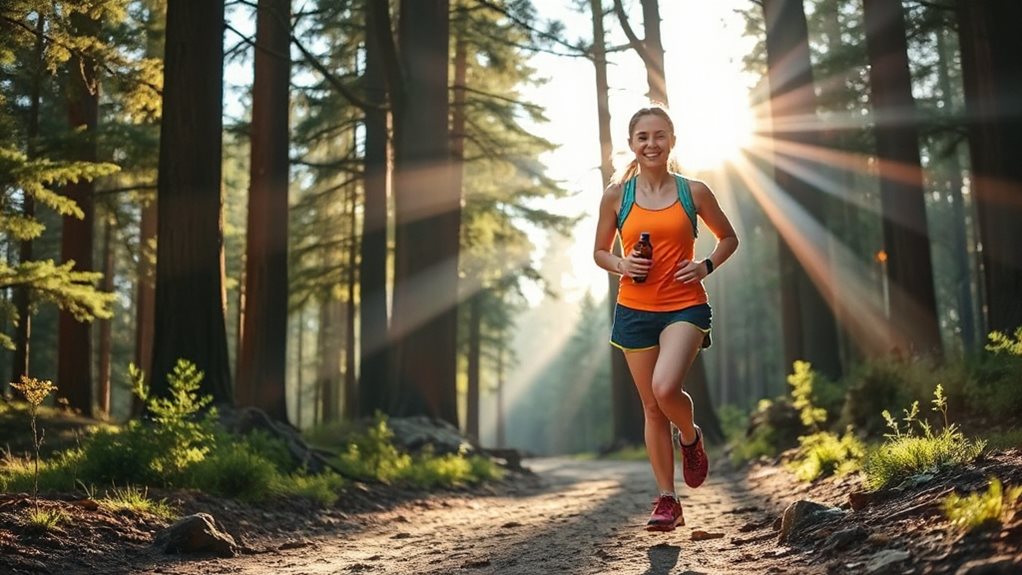
Where should you start your trail‑running expedition? Choose a well‑marked, gentle‑gradient route under 10 miles, preferably a local park or woodland with easy navigation. Log weekly mileage, increase it no more than 10 %, and mix easy runs, hill sessions, and longer outings. Use a GPS watch or app for route discovery, and walk steep sections until your ankles adapt. This plan builds confidence, endurance, and freedom on the trail. Consider incorporating GPS navigation to make route-finding and family-friendly activities easier.
Watch Birds For A Low‑Effort Outdoor Hobby
You’ll start with easy bird identifiers—field guides, apps, and simple visual cues let you recognize common species in minutes.
A pair of 8×42 binoculars, a lightweight harness, and a comfortable shirt are all the gear you need to stay relaxed while you spot birds.
Keep your binoculars around your neck, use your phone for quick photos, and note sightings in an app, so you can enjoy the hobby without any fuss.
Consider carrying a few versatile items like lightweight cooking utensils that can serve multiple purposes on outings, helping you pack less overall.
Easy Bird Identifiers
A great way to jump into birdwatching without feeling overwhelmed is to focus on easy identifiers that let you spot common species quickly. Use the GISS method—note General Impression, Size, Shape—plus simple field marks like wing bars or eye rings.
The Cornell Lab’s free Merlin Bird ID app guides you through location, date, color, and behavior, offering photos, range maps, and sound clips for instant confirmation.
Simple Gear Essentials
Ever wondered which pieces of gear will let you enjoy birdwatching without lugging a full‑blown expedition kit? Grab 8×42 binoculars—bright, lightweight, and easy on the eyes—paired with a sturdy harness to keep weight off your neck.
Slip a small backpack on, stash water, snacks, and a repellent, and add a compact notepad for notes. This minimal kit gives you freedom and comfort.
Quick Spotting Tips
Where should you set up for a quick bird‑watching session? Choose an edge—forest meadow, muddy shoreline, or a trail near water—where birds feed and rest. Wear neutral colors, stay still, and scan for movement and song. Lock eyes before raising binoculars, adjust focus, and note size, shape, and field marks. Record each sighting in a log or app for future reference.
Final Note
You’ve got a solid starting point: pick a hobby that fits your schedule, budget, and fitness level, then gather the essential gear, follow basic safety tips, and gradually increase your exposure. Whether you lace up hiking boots, set up a simple camp, pedal on a bike, cast a line, hit a trail run, or observe birds, each activity builds confidence and connection with nature. Stay consistent, respect the environment, and enjoy the steady progress you’ll make.


