If you sip untreated river water while camping, you’re likely ingesting invisible bacteria, viruses, or parasites that can cause nausea, stomach cramps, and watery diarrhea within hours or a few days. These pathogens may also trigger fever, fatigue, and headaches, while the fluid loss can quickly lead to dehydration, dizziness, or confusion—especially if you can’t keep fluids down. Chemical contaminants like pesticides or heavy metals might be present too, and boiling won’t remove them. Proper filtration, UV treatment, or chemical disinfection can prevent these risks, and continuing the guide will show you exactly how to protect yourself.
TLDR
- Untreated river water can contain invisible bacteria, viruses, and parasites that cause nausea, stomach cramps, and diarrhea within hours to days.
- Common pathogens include Giardia, Cryptosporidium, E. coli, Campylobacter, and norovirus, leading to gastrointestinal illness and possible fever.
- Rapid fluid loss from vomiting and watery diarrhea can cause dehydration, electrolyte imbalance, dizziness, and confusion, especially during strenuous activity.
- Chemical contaminants such as pesticides and heavy metals may be present; boiling does not remove them, requiring filtration or testing.
- Proper treatment—settling, filtration, boiling, chemical disinfection, and UV exposure—significantly reduces health risks before drinking.
River‑Water Safety: Why Untreated Water Makes You Sick
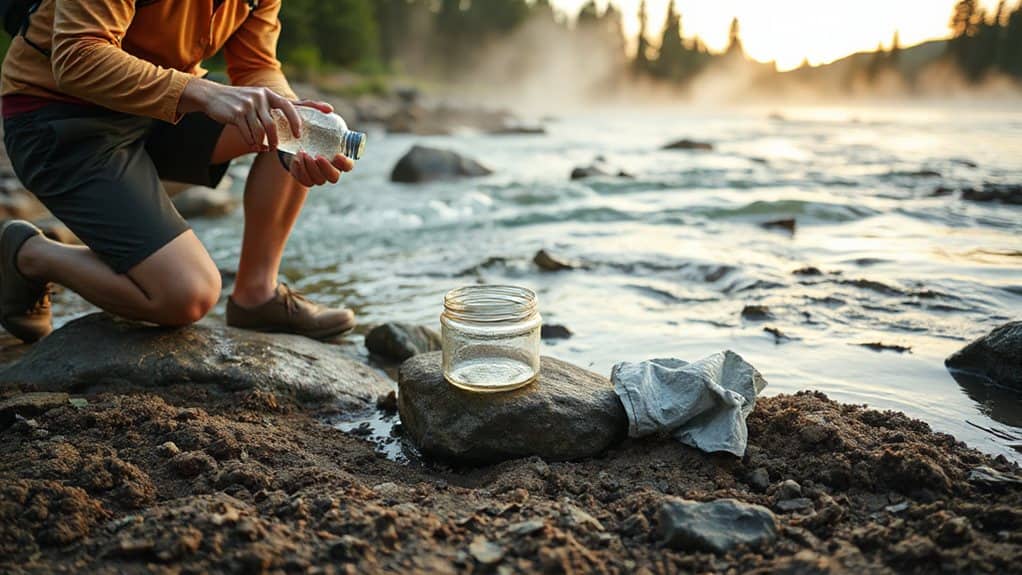
Even if the water looks crystal‑clear, it’s far from sterile, and drinking it can quickly make you sick. You might think clarity equals safety, but invisible bacteria, viruses, and parasites thrive in untreated rivers, especially after runoff or animal access. Small sips can deliver massive microorganism loads, leading to nausea, diarrhea, and dehydration. Treat it—boil, filter, or disinfect—before you quench your thirst. Rivers naturally flow from higher to lower elevations, so water collected downstream can carry upstream contaminants. Use a reliable method like boiling or a certified water filter to make river water safe before drinking.
Common Wilderness Pathogens in Drinking River Water
When you sip water straight from a mountain stream, you’re likely drinking a cocktail of microscopic invaders—protozoa, bacteria, and sometimes viruses—that thrive in wilderness waterways.
Giardia and Cryptosporidium dominate protozoan threats, appearing in most U.S. rivers. Campylobacter, E. coli, and Salmonella add bacterial risk, while occasional norovirus or Hepatitis A may lurk, especially near human waste sources. Proper handling and treatment of collected water, including sanitization practices, can greatly reduce these risks.
Symptom Onset Timeline and What It Feels Like
After learning which microbes lurk in a mountain stream, the next step is to recognize how quickly they can make you feel ill and what those early sensations are like.
Within hours to a few days you might feel nausea, stomach cramps, and a sudden urge to vomit; watery diarrhea follows, sometimes profuse.
Fever, fatigue, and mild headaches can appear, signaling your body’s fight against the invading pathogens.
Portable units can help maintain a cooler, less humid tent environment, which may reduce the survival of some pathogens and improve comfort for the ill, especially when used with portable air conditioners.
Dehydration Emergencies While Drinking River Water
When you drink untreated river water, the pathogens it carries can trigger vomiting or diarrhea, causing rapid fluid loss that outpaces what you can replace by drinking more water.
This sudden loss often creates an electrolyte imbalance, making you feel weak, dizzy, or confused, and it can quickly become a medical emergency if you can’t keep fluids down.
The best response is to start rehydrating with an oral electrolyte solution right away and seek urgent care if symptoms worsen or you’re unable to retain any fluids.
If you have no access to commercial solutions, you should attempt to strain debris and boil water before drinking to reduce further risk.
Rapid Fluid Loss
Drinking untreated river water can trigger rapid fluid loss, as the pathogens it carries—Giardia, Cryptosporidium, and bacteria like E. coli—often provoke profuse diarrhea and vomiting within hours to days.
Those symptoms drain your body quickly, especially when you’re hiking or biking, leaving you light‑headed, thirsty, and unable to sustain activity.
You’ll need to replace fluids fast, or risk severe dehydration that escalates in just a few hours.
Electrolyte Imbalance Risks
If you gulp large amounts of untreated river water during a hike, you can quickly dilute the sodium in your bloodstream, leading to hyponatremia—a condition where blood sodium falls below 135 mmol/L and water rushes into cells, especially brain cells, causing swelling and increased intracranial pressure.
Your kidneys can’t excrete water fast enough, so excess fluid shifts into brain cells, triggering headaches, confusion, drowsiness, and, if unchecked, seizures or coma.
Stay alert to these neurologic signs and remember that rapid overconsumption overwhelms renal limits, especially in heat or after heavy sweating.
Urgent Rehydration Strategies
After the sodium in your blood drops and hyponatremia threatens, the next priority is to restore fluid balance without worsening the problem.
Stop drinking the river, switch to boiled or bottled water, and sip small, frequent amounts.
Use oral rehydration salts if you have them; otherwise add salty snacks to safe water.
Avoid alcohol, watch urine color, and seek medical help if symptoms persist.
Chemical Hazards in Drinking River Water You Might Miss
You might think clear water is safe, but pesticide residues from nearby farms can linger invisibly, posing endocrine and developmental risks.
Heavy metals such as lead, mercury, or arsenic may leach from soils or pipes, persisting for years and threatening organ health and increasing cancer chances.
Since boiling won’t strip these chemicals, you’ll need proper testing or specialized filtration to make sure the water you drink is truly clean.
For backpacking and camping, consider carrying a proper filtration system rated for chemical and heavy metal reduction to protect against these hazards.
Pesticide Residues in Water
Pesticide residues often hitch a ride into rivers through agricultural runoff, drainage systems, and storm‑driven surface flow, especially after heavy rain or irrigation events.
You’ll find fungicides like carbendazim and tebuconazole dominating samples, sometimes reaching thousands of nanograms per liter downstream, where concentrations rise.
Untreated water can hold dozens of residues, many persisting after standard treatment, exposing you to hidden health risks.
Heavy Metals and Toxicity
Even if you’ve already worried about pesticide residues, the next hidden danger in untreated river water is heavy metals.
Arsenic, lead, mercury, cadmium, chromium, copper, nickel and iron can dissolve invisibly, hitching rides on particles or sediments, then leach when pH shifts.
Boiling won’t help; only reverse‑osmosis or certified metal‑removing filters can protect you from chronic toxicity, organ damage, and cancer risk.
Effective Treatment Methods for Natural Water Before You Drink It
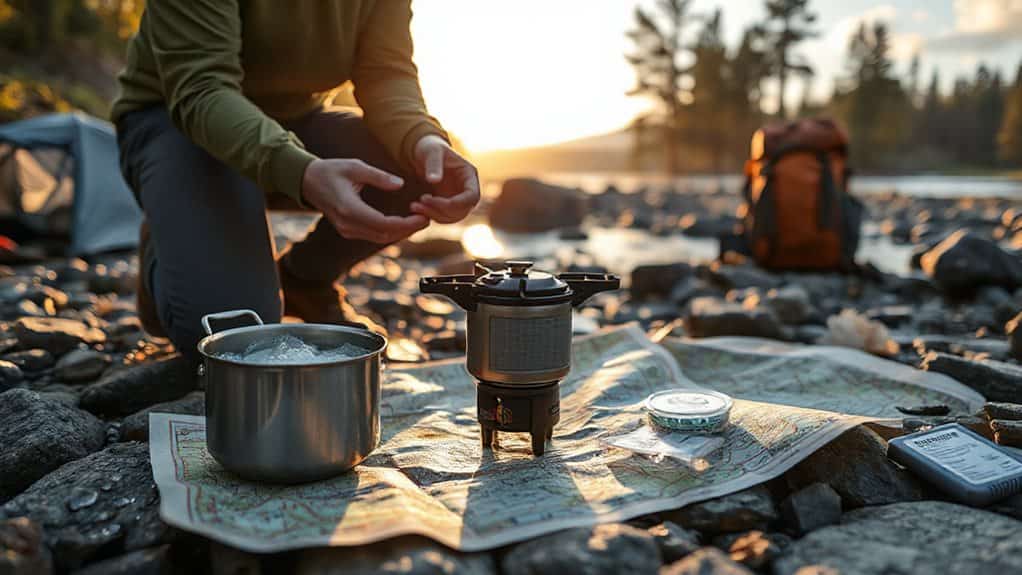
When you’re out in the backcountry, treating natural water before you drink it isn’t optional—it’s essential for staying healthy.
First, let sediment settle or strain through a cloth, then choose a method: boil for at least one minute (longer at altitude), use lightweight chemical tablets with proper contact time, or run water through a certified filter that removes protozoa and bacteria.
If the water’s clear, a UV pen or solar bottle can finish the job, but always match the technique to fuel, time, and clarity.
Feeling Sick After Drinking River Water? What to Do
You’ve already filtered, boiled, or treated the water, but if you start feeling sick afterward, it’s a sign that something slipped through.
Stop using that source, switch to safe water, and monitor symptoms.
Persistent diarrhea, vomiting, fever, or dehydration warrants medical care; severe pain, bloody stool, or lasting more than a few days also calls for evaluation.
Stay hydrated, rest, and let professionals assess any infection.
And Finally
Remember, drinking untreated river water can expose you to harmful pathogens and chemicals, leading to illness or dehydration. Always treat water—boil, filter, or use approved chemicals—before you sip, and stay vigilant for symptoms. If you feel sick, hydrate with safe fluids, seek medical help, and keep your water‑treatment kit handy. By taking these simple steps, you protect your health and enjoy the outdoors with confidence.