
You can lower your blood pressure by hiking 20‑40 minutes at moderate intensity three to five times a week, which studies show reduces systolic pressure by about 4‑10 mm Hg and diastolic pressure by 1‑2 mm Hg. The effect appears after several weeks, is modest but clinically meaningful, and works best for younger adults, people with higher baseline readings, and both genders. Hiking in green spaces also cuts cortisol, enhancing stress recovery. Follow the recommended duration, frequency, and intensity, and you’ll uncover more details ahead.
TLDR
- Moderate-intensity hikes 20‑40 min, 3‑5 times/week lower systolic BP by ~4‑10 mm Hg and diastolic by ~1‑2 mm Hg.
- Benefits appear after several weeks of consistent hiking and are modest but clinically meaningful.
- Larger reductions occur in younger adults, those with higher baseline BP, and females; gender differences are minimal.
- Weekly target of 150‑300 min (≈30 min most days) at a brisk pace (~100 steps/min) aligns with ACSM/AHA guidelines.
- Monitor BP regularly; track trends over time rather than single readings to confirm progress.
Does Hiking Actually Lower Blood Pressure? The Core Findings

If you lace up your boots and hit the trail, you’re not just getting a scenic workout—you’re also tapping into a modest but reliable way to lower blood pressure.
Research shows moderate‑intensity hikes of 20‑40 minutes, three to five times weekly, can shave 4‑10 mm Hg systolic and about 1‑2 mm Hg diastolic points, with benefits appearing after weeks of consistent effort, especially for adults under 40 and for females. Regular physical activity lowers risk of coronary heart disease. Spending short, regular sessions in green spaces also reduces cortisol and supports stress recovery.
How Walking Research Shows Hiking Can Lower Blood Pressure
Research on walking consistently shows that regular, moderate‑intensity steps can lower blood pressure, and the same principles apply to hiking when the activity matches those walking protocols.
Studies reveal 20‑40 minute sessions, three to five times weekly, cut systolic pressure by about 4 mm Hg and diastolic by 2 mm Hg, across ages, genders and health statuses.
Forest‑trail hikes add stress‑relief benefits, amplifying cardiovascular gains.
Kayaking similarly provides a cardiovascular workout that combines aerobic effort with full‑body muscle engagement, which can support blood pressure reduction when performed at comparable intensity and duration.
Typical Blood‑Pressure Drops From Hiking: 4‑10 Mm Hg & What They Mean
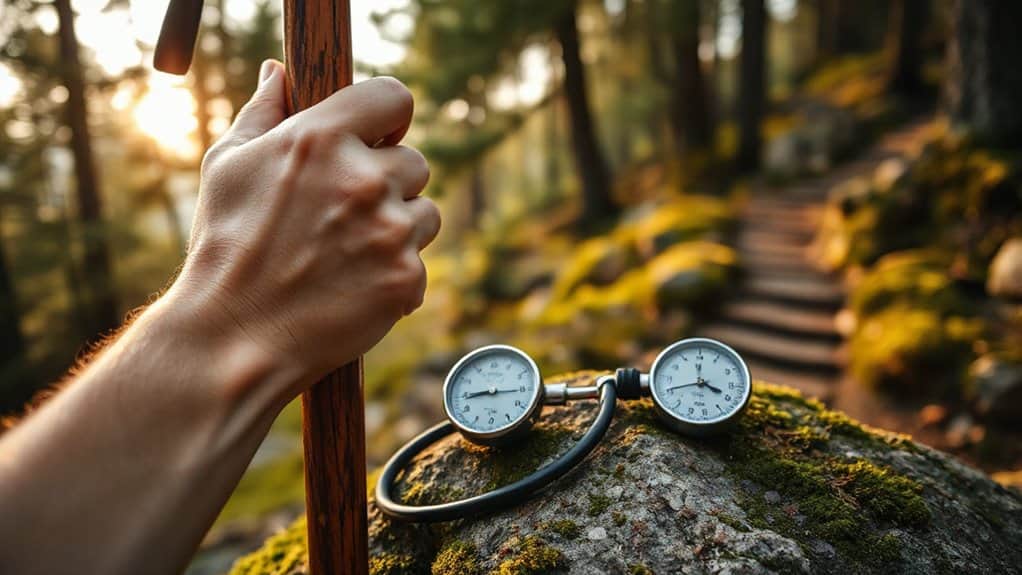
A typical reduction in resting blood pressure from regular hiking falls between 4 and 10 mm Hg systolic and 5 to 8 mm Hg diastolic, a range that clinicians consider modest but clinically meaningful.
Over weeks, repeated hikes can shift your baseline down a few millimeters, lowering cardiovascular risk without drastic lifestyle changes.
Expect modest, steady improvements rather than dramatic drops, and track readings over time for true understanding.
Research also shows that hiking, especially uphill and in natural settings, raises heart rate modestly and improves mood, which together can contribute to cardiovascular health.
Who Benefits Most When Hiking Lowers Blood Pressure? Age, Baseline BP & Gender
Why does hiking seem to help some people more than others? You’ll see larger drops if you’re younger or middle‑aged, since older adults still benefit but the effect shrinks.
Higher baseline pressure predicts bigger gains—people starting above 120 mm Hg often lose 20 plus mm Hg.
Gender matters little; both men and women respond similarly, though older women who walk faster enjoy added risk reduction.
Morning sunlight and regular park visits also support cardiovascular benefits by lowering stress hormones and blood pressure through improved circadian alignment and reduced allostatic load, especially when combined with at least two hours a week in green spaces (two hours a week).
How Much Hiking Lowers Blood Pressure? Frequency, Duration & Intensity Guidelines

You’ll want to aim for 150–300 minutes of moderate‑intensity hiking each week, broken into 30‑minute sessions on most days, and keep the pace brisk—about 100 steps per minute or a gentle incline—to stay in the moderate zone.
Consistency matters, so targeting three to five hikes per week gives you the cumulative effect ACSM and AHA recommend for lowering systolic pressure by roughly five to seven millimeters of mercury.
Even shorter bouts, like ten minutes of brisk walking spread across the day, can add up and still deliver measurable blood‑pressure benefits.
Paddling activities like kayaking can complement hiking by providing low‑impact upper body exercise that supports overall cardiovascular fitness and stress reduction.
Optimal Weekly Minutes
Set a goal of roughly 150 minutes of moderate‑intensity hiking each week, and you’ll be aligning with the public‑health benchmark that consistently lowers blood pressure.
Split it into 30‑minute brisk hikes five days, or 40‑minute sessions three times, keeping pace brisk enough to raise breathing and make conversation harder.
Consistent, moderate effort across the week beats occasional long treks for steady reductions.
Session Length & Frequency
If you hike just once a week, you’ll see a modest drop in systolic pressure only if you already have untreated hypertension, but most normotensive adults won’t experience any change.
Aim for 30‑plus minutes per session, repeat 2‑3 times weekly, and keep intensity moderate.
Frequent, longer hikes enhance benefits, while single weekend outings rarely affect blood pressure in healthy adults.
Intensity & Terrain Choice
When you hike at a brisk pace on hills or uneven terrain, your heart works harder than during a casual stroll, and that extra effort is what drives the most meaningful drops in blood pressure.
Brisk, moderate‑to‑hard effort on inclines raises cardiovascular demand, enhancing systolic reductions up to 10 mm Hg and diastolic around 20 mm Hg, while longer, energetic sessions amplify the benefit.
Safety at Altitude: When Hiking Might Raise Blood Pressure
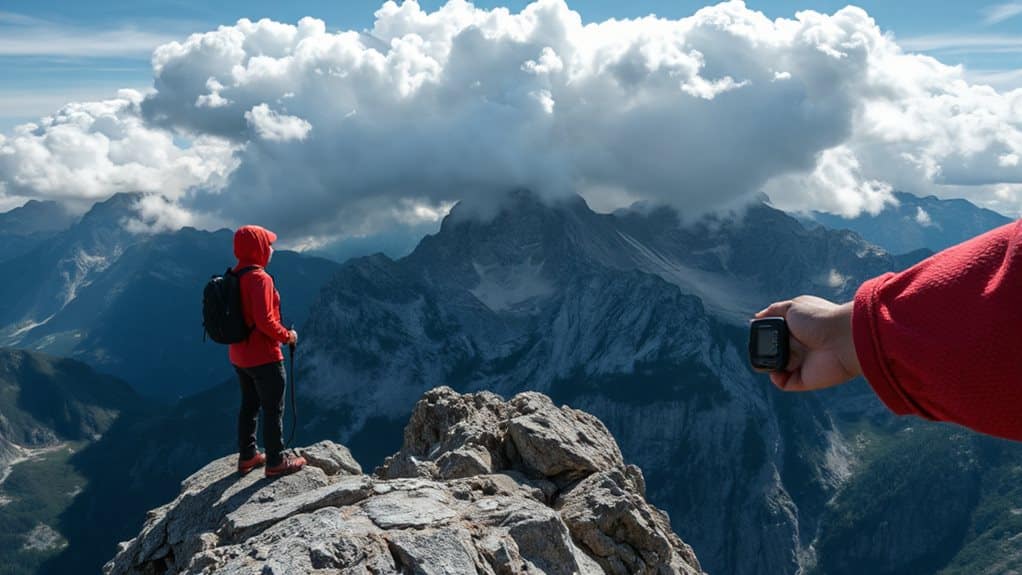
When you trek above 6,000 feet, the lower oxygen can push your resting blood pressure up, especially if you already have hypertension or carry extra weight.
Most hikers see only a modest rise, but those with pre‑existing risk factors may edge closer to the safety thresholds that clinicians watch.
Checking your pressure before and after the hike, staying hydrated, and knowing the warning signs—like chest pain or severe headache—helps you enjoy the scenery without compromising your heart health.
Altitude‑Induced Blood Pressure Rise
Even at moderate altitudes—typically 6,500 to 13,000 feet—your blood pressure can climb noticeably during a hike, especially if you already have hypertension or carry extra weight.
Studies show a consistent rise, amplified by hypoxia‑driven sympathetic spikes, norepinephrine, and oxidative stress, with larger jumps in hypertensive or obese hikers.
The increase is temporary, normalizing after descent, yet monitoring remains prudent.
Safety Thresholds for Hypertensive Hikers
Blood‑pressure spikes that can appear at moderate altitude don’t automatically make a hike unsafe, but they do signal that you need clear limits before you set out.
Aim to keep systolic below 160 mmHg and diastolic under 100 mmHg, acclimatize one night at 8,000 ft, and limit daily climbs to 2,000 ft after that.
Get medical clearance if your meds or readings are uncertain, especially above 3,500 m.
Pair Hiking With Lifestyle Changes to Lower Blood Pressure Further
If you pair your regular hikes with targeted lifestyle tweaks—especially a heart‑healthy diet like DASH—you’ll amplify the blood‑pressure‑lowering benefits far beyond what either habit can achieve alone.
Adding moderate‑intensity walking 150 minutes weekly, cutting sodium, increasing potassium, and managing stress through forest scenery all work together, slashing systolic and diastolic numbers, improving cholesterol, and supporting lasting cardiovascular freedom.
Practical Tips to Start Hiking for Lower Blood Pressure

Pairing your hikes with a heart‑healthy lifestyle sets the stage, but now it’s time to translate that plan into action.
Begin on flat, gentle trails for 20‑40 minutes, three to five times weekly, then gradually add hills to enhance VO₂ max and core strength.
Hike in daylight for stress relief, keep a consistent schedule, and log progress to monitor blood‑pressure improvements.
And Finally
You’ve seen the evidence: regular hikes can shave 4‑10 mm Hg off your numbers, especially if you’re older, have higher baseline pressure, or combine walking with a heart‑healthy diet and stress‑reduction habits. Aim for moderate intensity, 30‑60 minutes most days, and stay mindful of altitude or extreme exertion that might temporarily spike pressure. By making hiking a consistent, balanced part of your routine, you’ll likely enjoy steadier, lower blood‑pressure readings and the broader health benefits that come with it.


