
Spending just fifteen minutes a day in a park enhances endorphins, lowers cortisol, and sharpens focus, so you feel calmer and more alert. Green spaces cut negative thoughts and preserve happiness, while regular walks—four times a week, fifteen minutes each—reduce rumination and improve sleep quality. Exposure to nature restores attention, enlarges basal ganglia, and fuels hippocampal activity, enhancing memory and problem‑solving. Even short, frequent outings act like a natural stress‑medication, and the more you investigate, the deeper the mental‑health benefits you’ll uncover.
TLDR
- Endorphin release from brisk walks lifts mood instantly and reduces stress hormones.
- Green spaces lower cortisol, heart rate, and muscle tension, easing anxiety and promoting relaxation.
- Soft fascination in nature restores attention, enhancing focus, memory, and executive function.
- Regular exposure to parks and forests cuts depression risk by up to 20% and improves overall life satisfaction.
- Activities like gardening, forest walks, and group sports combine physical movement with nature, providing sustained mental‑health benefits.
Why Outdoor Activities Matter for Mental Health
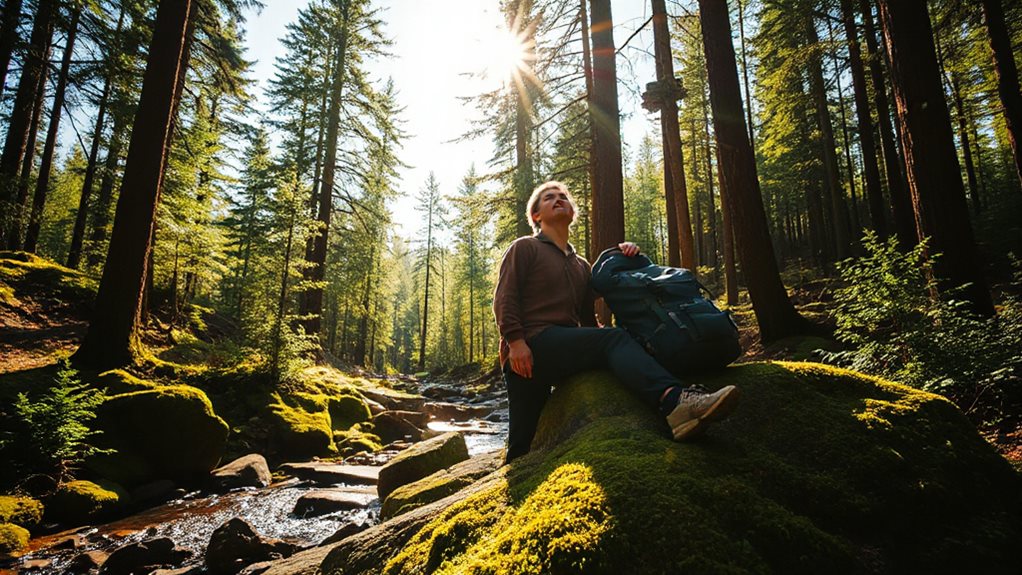
Why do outdoor activities matter for mental health? You’ll feel endorphins surge during a brisk walk, lifting mood instantly. Green spaces cut negative thoughts, preserve happiness, and enhance life satisfaction. Regular exposure—four times a week, fifteen minutes each—sharpens focus, eases rumination, and restores mental clarity. These benefits translate into better sleep, lower stress hormones, and a stronger, freer mind. 92% of U.S. adults report a positive mental health boost after time in local parks. Small, regular outings like light walks around green areas also provide easy opportunities for physical activity and social connection.
How Outdoor Activities Reduce Anxiety and Stress
How do outdoor activities actually calm your nerves and cut stress? You spend ten to fifty minutes in green spaces, and cortisol drops, heart rate slows, and muscle tension eases. Walking a forest trail lowers anxiety far more than an urban stroll, while regular weekly doses act like medication, preventing stress buildup. Short, frequent exposure restores mood, sharpens focus, and keeps physiological markers in check. Weightless presentations like the lift-and-pause cadence can teach patience and mindfulness during outdoor recreation.
What Cognitive Boosts You Get From Being Outdoors?
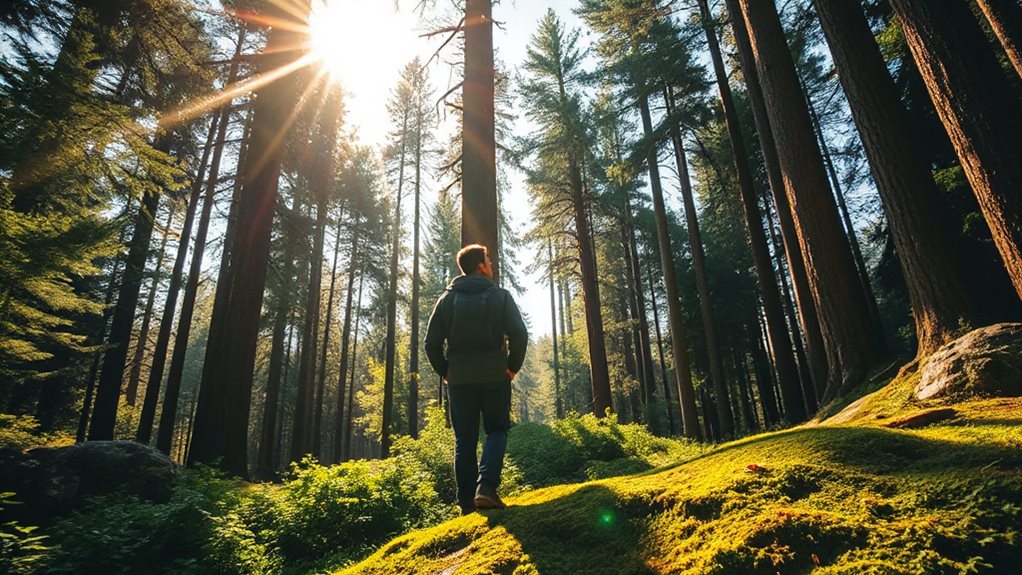
Ever wondered what your brain actually gains when you step outside? You tap into “soft fascination,” which restores attention, boosts basal ganglia size for sharper focus, and fuels hippocampal activity for richer memory.
Outdoor play spikes blood flow, releases BDNF, and strengthens vestibular cues, sharpening executive control, flexible problem‑solving, and overall neuroplasticity, leaving you mentally sharper than indoor alternatives. Fish like Walleye are popular outdoor-caught meals that can enhance the camping experience and encourage more time spent in nature.
How Green Spaces Lower Depression and Other Mental‑Health Risks
Stepping outside does more than sharpen your focus; it also shields you from depression and other mental‑health risks. Green surroundings cut anxiety and depression by up to 20% versus barren areas, and each 10% boost in nearby green or blue space trims risk another 7%.
Poor neighborhoods reap even larger gains, while trees filter pollutants, mute noise, and lower stress, delivering measurable mental‑health benefits. Kayaks are also accessible to many people and offer a low-impact workout that combines outdoor exposure with physical activity.
Which Outdoor Activities Provide the Strongest Mental‑Health Benefits?

You’ll find that gardening enhances your mood by combining gentle physical effort with the calming presence of plants, while forest walks sharply cut anxiety through immersive nature exposure.
Group sports add a cognitive edge, sharpening attention and memory as you interact with teammates.
Together, these activities offer a powerful, evidence‑based toolkit for strengthening your mental health.
Crash pads improve safety during falls by using smart foam layers to reduce injury risk.
Gardening Boosts Mood
When you tend a garden, the simple act of digging, planting, and watering can instantly lower anxiety and stress, because the natural setting engages your brain’s attention‑restoration pathways and even changes EEG patterns to reduce fear, anger, and sadness.
You’ll notice sharper focus, lifted mood, and stronger community ties, while physical activity boosts energy, confidence, and overall wellbeing, making mental health feel more under your control.
Forest Walks Reduce Anxiety
Gardening’s calming touch shows how nature can lift mood, and stepping onto a forest trail amplifies those benefits by directly targeting anxiety. You’ll notice a measurable drop in cortisol and heart rate after just fifteen minutes, while a longer walk sustains calm for days. Studies confirm forest walks cut anxiety scores more than city strolls, activating parasympathetic relaxation and lowering stress hormones, giving you lasting freedom from tension.
Group Sports Enhance Cognition
Team sports give you a powerful cognitive uplift because they combine physical exertion with constant decision‑making, social interaction, and strategic planning. You’ll notice sharper memory, faster reaction time, and stronger focus as you practice plays and adapt on the fly. Research shows strategic and open‑skill team games lower stress, boost executive function, and improve school performance, giving you the mental edge you crave.
Practical Tips to Make Outdoor Time a Daily Habit
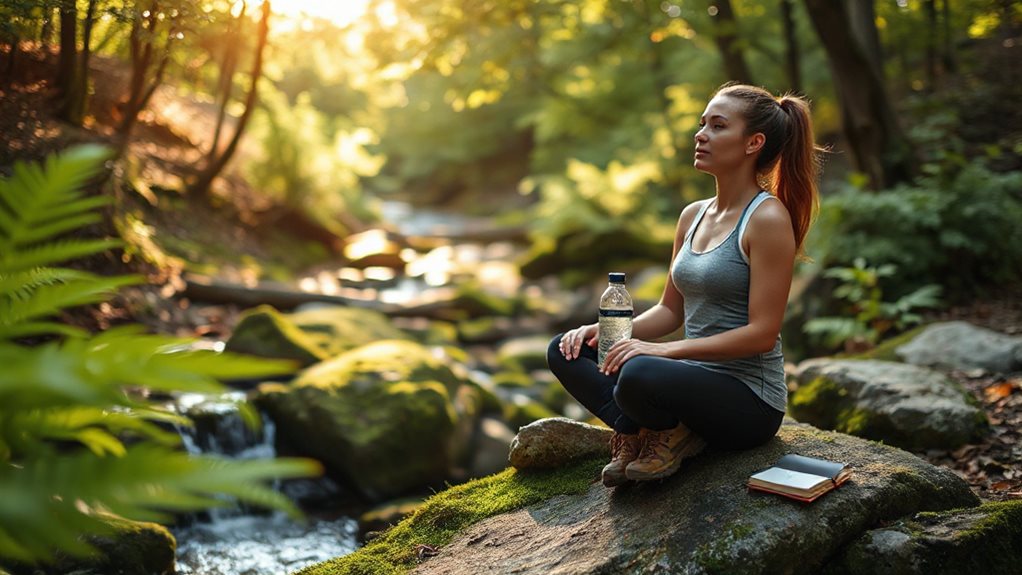
You can start by setting micro‑routines, like a five‑minute walk after lunch, and gradually expand them as they become habit, while also tapping into community resources such as local walking groups or park programs that make regular outdoor time easier to schedule.
By pairing these brief, repeatable activities with the support of neighbors, clubs, or even workplace wellness initiatives, you reinforce consistency and keep motivation high.
This combination of tiny, doable habits and shared community opportunities helps turn outdoor time into a natural part of your daily life.
Set a Micro Routines
A few minutes of daily outdoor time can quickly become a habit that protects your mental health, so start small—aim for 10‑20 minutes of fresh air each day and gradually extend the duration as it feels natural.
Pair these minutes with an existing habit, like your morning coffee or commute, and fix a consistent slot.
Track each session, note how your mood lifts, and slowly increase time, ensuring the routine feels effortless and freeing.
Leverage Community Resources
Discover nearby park programs and join them—most U.S. adults report a mental‑health boost after a simple visit, and women, millennials, and parents especially feel calmer, happier, or more joyful. Check community calendars for free yoga, gardening, or trail clean‑ups; sign up for weekly meet‑ups at your local green space; use apps to track nearby events; combine short walks with group activities, and let the habit grow naturally, freeing you to reap lasting mental benefits.
Final Note
By making outdoor time a regular habit, you’ll notice reduced anxiety, sharper focus, and a steadier mood, all backed by research on nature’s impact on the brain. Simple activities—walking, gardening, or cycling—provide measurable mental‑health gains without costly equipment or extensive training. Start with short, frequent outings, gradually extending duration as you feel comfortable. Consistency is key, so prioritize daily exposure to green spaces and let the natural environment work as your effortless, ongoing therapist.


