
You can elevate your connection by hiking, camping, fishing, running, or enjoying a picnic together, each activity offering low‑cost, flexible options that fit most schedules. Hiking’s scenic views spark shared awe and conversation, while camping builds trust through teamwork on gear and safety planning. Fishing and trail running add variety and health benefits, and picnics or beach trips provide relaxed, romantic settings. All these pursuits are increasingly popular—over 57 million Americans hike and 92 million households camp—so you’ll find plenty of nearby trails, parks, and beaches to venture, and the data shows they enhance relationship satisfaction; keep going to uncover detailed tips for each odyssey.
TLDR
- Day hikes offer low‑cost, four‑hour outings that foster bonding through shared awe and conversation, with 80% of Americans living within 30 mi of a park.
- Camping trips provide intimacy and trust, using a 4‑person tent, double sleeping bags, and safety gear like headlamps, first‑aid kits, and bear spray.
- Trail runs or bike rides combine fitness with scenery, lowering cortisol and improving communication for couples of all ages.
- Picnics, beach trips, and stargazing are casual, low‑frequency activities that fit flexible schedules and boost relationship satisfaction.
- Outdoor recreation participation is high (58.6% of Americans), with women (51.9%) and LGBTQ+ ( 60%) groups actively engaged, ensuring inclusive options for any couple.
Hiking Statistics: 2024 Participation Share & Average Outings
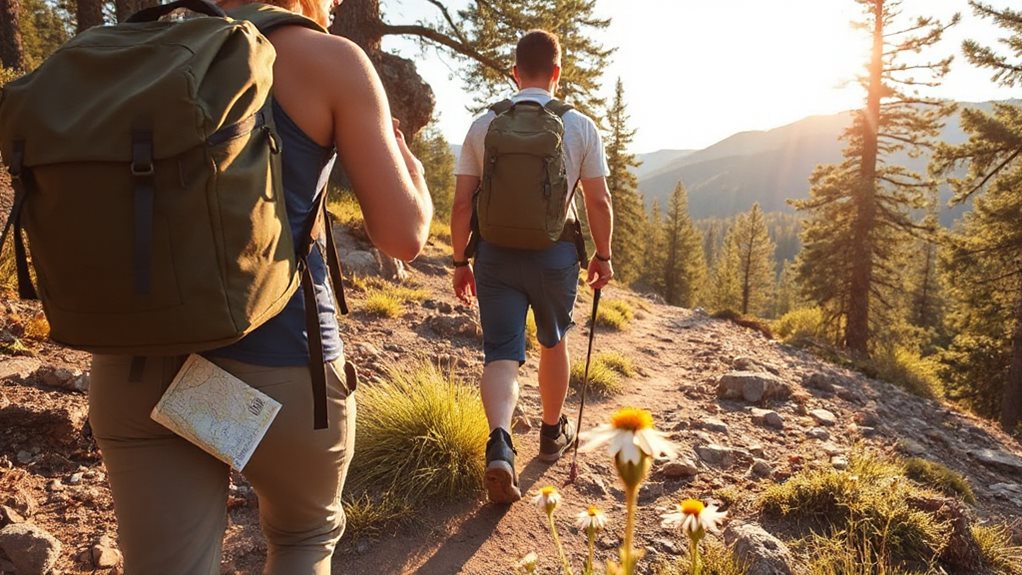
What do the numbers tell you about hiking in 2024? You see 63 million participants, day‑hiking captures 20 % of people six and older, and average outings fell from 70.5 to 62.5 per year.
Women now make up 51.9 % of outdoor recreation, while LGBTQ+ members exceed 60 % participation.
Seniors are the fastest‑growing cohort, adding 1.6 million hikers.
Casual walkers dominate, joining other activities like camping and cycling. 97.6% of couples share a shelter.
Crappie fishing data also highlights that choosing bait color based on water clarity and weather can significantly improve success rates, especially when using bright colors in darker waters.
Why Hiking Remains America’s Top Summer Outdoor Activity
You’ll find that sharing scenic views on a trail instantly deepens your connection, because the landscape creates natural conversation starters and moments of awe.
The low cost of hiking—just a pair of shoes and a trail map—means you can plan frequent outings without breaking the budget, while the sheer number of accessible paths, from city parks to national forests, ensures you never run out of options.
All of these factors combine to make hiking the go‑to summer activity for couples who want a rewarding, affordable, and easily reachable adventure.
Plan ahead to minimize risk and environmental impact by researching conditions and packing the essentials, including a basic first aid kit and guidance on durable surfaces.
Scenic Views Boost Bonding
Why do scenic vistas feel like a secret handshake between partners? You’ll notice the shared awe as you pause on a ridge, the horizon stretching wide, and the moment becomes a quiet pact. Those panoramic rewards trigger dopamine, easing stress and deepening conversation, while the physical climb releases endorphins. Together you savor freedom, bonding over nature’s grandeur and the simple joy of discovery.
Low Cost, High Accessibility
Ever wondered why hiking stays at the top of America’s summer activity list? You’ll find it’s cheap, easy, and everywhere.
Over 57 million Americans hit trails, and 80 % of the population lives within 30 miles of a park.
A typical hike costs nothing but a pair of shoes, lasts four hours, and can be self‑guided, so you and your partner enjoy freedom without breaking the bank.
Camping Statistics: Frequency, Social Connections & Couple Benefits
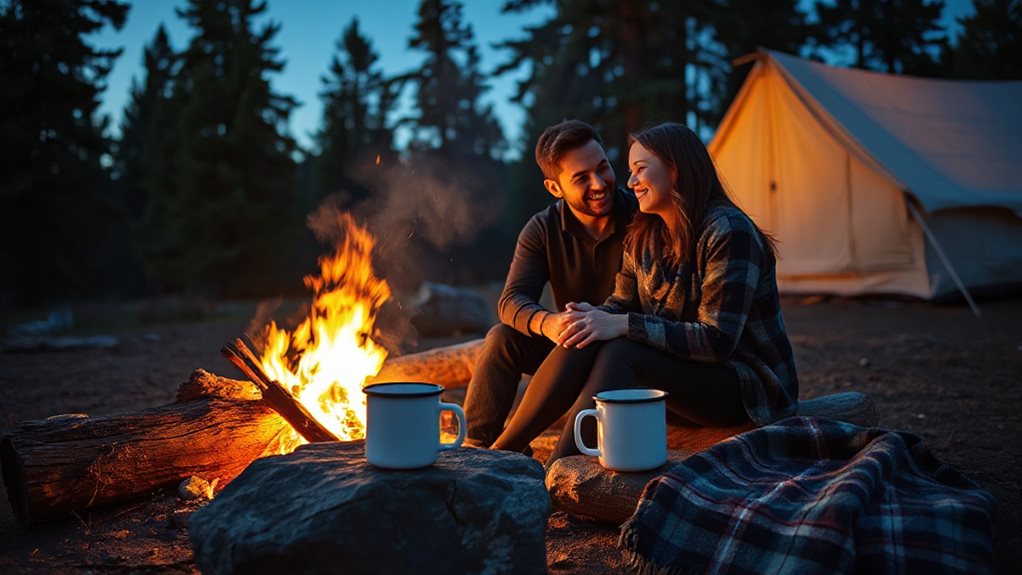
You’ll notice that camping has surged, with 92 million households identifying as campers in 2022 and a 72 % rise since 2014 in those who go three or more times a year, so the frequency alone signals a growing trend.
The social side is strong too—85 % of campers meet new people, averaging four new friends, and 73 % experience kindness that they later pay forward, making campsites natural hubs for connection.
For couples, the benefits are clear: RV trips boost trust and intimacy, 83 % feel like better versions of themselves at campgrounds, and shared fire‑side moments foster solidarity and closeness.
Many campers who bring medical devices learn to use CPAP batteries or solar charging to maintain therapy while off‑grid.
Camping Frequency Insights
How often do you actually hit the trail with your partner? You’ll find 29 % of campers go 1‑2 times a year, while 41 % venture out 3‑5 times, and 23 % camp 6‑11 times. Households camping three or more times have surged 174 % since 2014, and 56 % of couples plan more nights soon, reflecting a strong, growing appetite for outdoor freedom.
Social Connection Benefits
Why do couples thrive when they pitch a tent together? You’ll find that shared camping elevate communication, bonding, and intimacy, thanks to nature’s oxytocin‑raising effect. Outdoor cooperation strengthens trust, while 28 % of Americans cite companionship as a key motivator. These experiences cultivate social interaction, empathy, and active citizenship, creating a resilient partnership that feels both free and connected.
Couple Relationship Gains
Ever wondered how camping reshapes a couple’s relationship? You’ll find that frequent trips enhance happiness, cut anxiety, and strengthen emotional bonds; couples who camp together report higher psychological well‑being than non‑campers.
Consistent outdoor time nurtures trust, improves communication, and fuels shared adventure, while working‑on‑the‑road experiences add teamwork skills, making your partnership more resilient and fulfilled.
How to Plan a Safe Campout: Gear, Sites & Tips
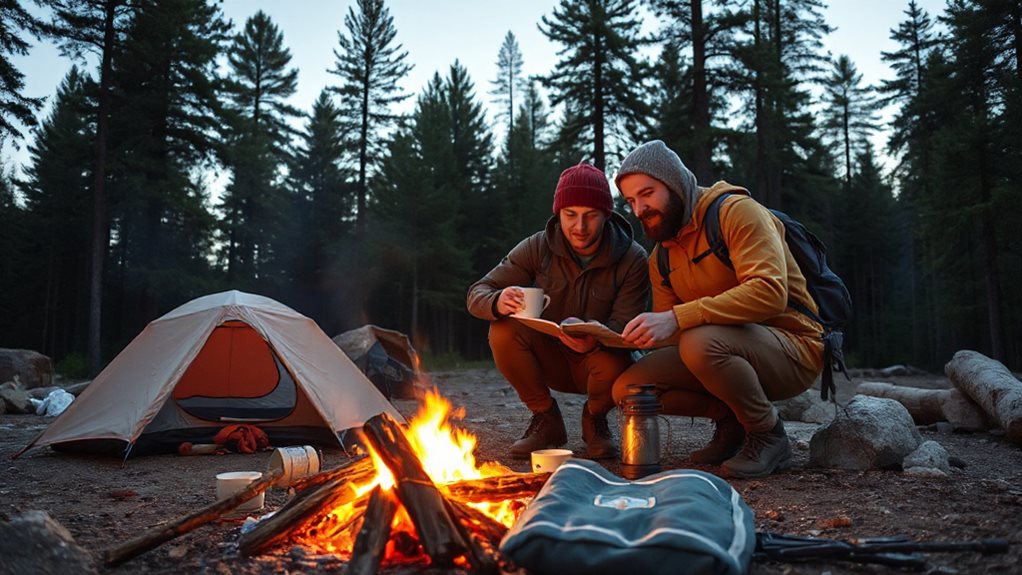
Choosing the right campsite and gear set‑up is the foundation of a safe, enjoyable campout, and a little preparation goes a long way. Pack a 4‑person tent, footprint, stakes, tarp, and a mallet; bring double sleeping bags, an air mattress, and pillows. Test headlamps, a multi‑tool, first‑aid kit, and bear spray. Research weather, permits, and local hazards, then map the site, noting water and trail access. Divide tasks, plan meals, and keep a cell‑phone or GPS for emergencies. Consider bringing a drinking-water hose to ensure a safe supply of potable water.
Fishing Statistics: Participation Rates, Outings & Demographic Trends
How do the numbers behind recreational fishing shape what you can expect on the water today? You’ll find 57.9 million anglers, 19 % of the population, with 21.3 million women and a 45 % rise in Hispanic participation. Median trips total 17 days a year, yet only 32 % fish monthly. Youth start early, 85 % before age 12, but churn stays high, 16.6 million lost in 2024. This breadth of participation means you can pick spots, seasons, and gear that suit your freedom‑focused lifestyle. Be aware that some states restrict bait like corn to protect fish health and ecosystems.
Fishing Demographics: Why Men Fish More and Park Visitor Impact
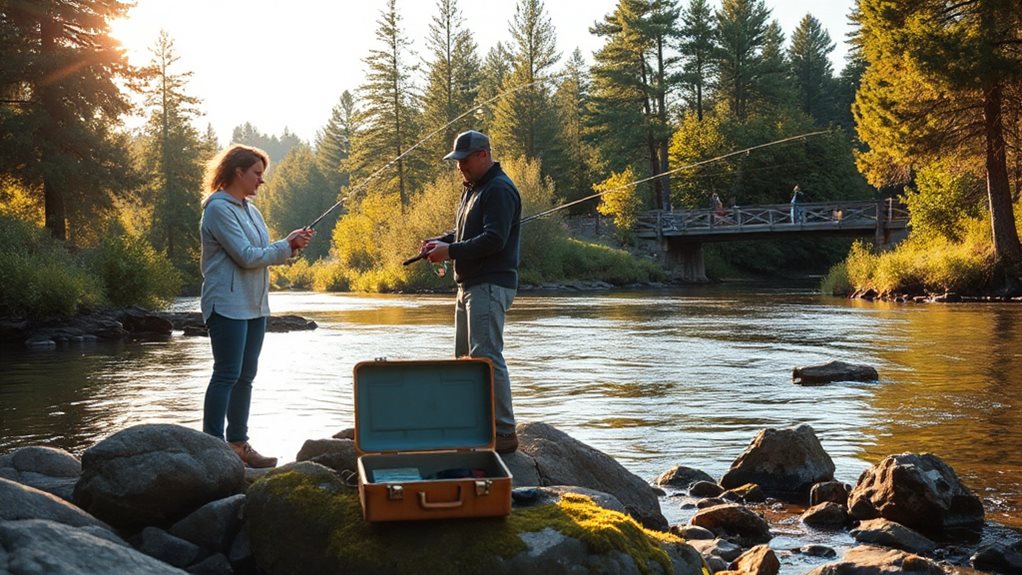
You’ll notice that men still make up roughly two‑thirds of anglers, a gap that stems from traditional caregiving roles, uneven access to gear, and policies that don’t account for intermittent participation.
At the same time, park visitor patterns shape who fishes where, because closures, permit limits, and facility layouts often favor the dominant demographic.
Understanding these factors helps you choose spots and times that feel welcoming for both partners, regardless of gender.
Gender Gap in Fishing
Why do men dominate fishing statistics while women remain largely invisible? You’ll notice that 90 % of recreational anglers are men, yet women constitute half of the global fisheries workforce, mostly in processing, bait prep, and net repair.
Cultural norms, limited gear access, and gender‑blind policies keep women out of lucrative offshore and sportfishing, creating a stark participation gap.
Park Visitor Influence on Angling
The gender gap in fishing doesn’t disappear when you step into a park; instead, visitor demographics and activity choices shape who picks up a line. You’ll notice 36 % of Waterfront Park guests fish or boat, yet women dominate overall attendance, so couples can balance interests.
Larger metro areas supply most anglers, while non‑metro residents fish less but still contribute to the 3.2 million‑person rise in U.S. participation.
Biking Statistics: Ride Frequency, Types & Relationship Strengthening
Ever wondered how often couples actually hop on a bike together? Six out of ten cyclists ride two to three days weekly, with a median three‑day, 45‑minute, five‑mile session. Tandems, growing at 4.5% CAGR, boost teamwork and social interaction, while higher‑income and younger riders log longer rides. Choose a tandem for shared freedom, stronger bonds, and fresh outdoor experiences.
Running & Trail Statistics: Frequency, Youth Participation & Outdoor Boost
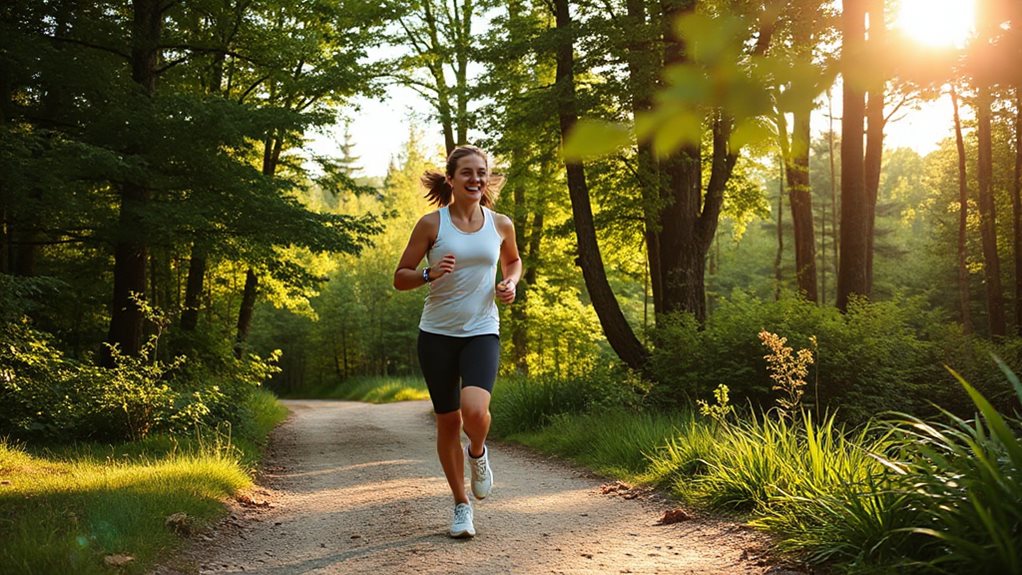
How often do you lace up and hit the trail? You join 50 million U.S. runners, 621 million worldwide, and 14.8 million U.S. trail enthusiasts, a 12 % jump from last year. Gen Z runs at a 27 % annual rate, Millennials at 30 %, while youth in Scandinavia embrace outdoor autonomy. Trail runs average 485 miles each, boosting cardio, freedom, and a growing, wealthier demographic.
Picnics, BBQs & Beach Trips: Popular Summer Outings & Romantic Appeal
A growing number of couples are turning to picnics, BBQs, and beach trips as go‑to summer outings, and the data backs it up: outdoor participation hit 175.8 million in 2023, rising 4.1 % from the previous year, while searches for stays near national parks and coastal beaches jumped 35 %.
You’ll find picnics thriving, BBQs fueling Gen X spending, and beach getaways powered by remote work, all offering flexible, romantic freedom.
Cross‑Activity Insights: How Outdoor Recreation Shapes Relationships
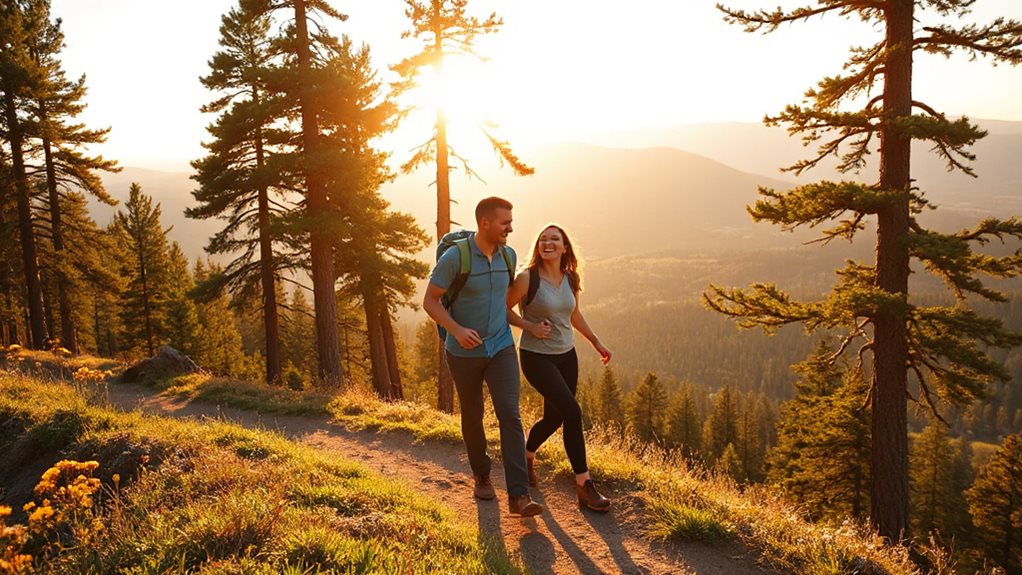
When you step outside together, the simple act of sharing nature’s rhythm can reshape how you relate, because research shows that outdoor recreation lowers cortisol, enhances mood, and fuels patience, all of which translate into smoother communication and deeper emotional bonds.
You’ll notice shared hikes spark novelty, kayaking demands teamwork, and stargazing invites mindfulness, each reinforcing trust, reducing stress, and increasing overall relationship satisfaction.
Key Takeaways: What the 2024 Outdoor Recreation Data Means for You
Ever wondered what the 2024 outdoor recreation numbers mean for your relationship? You’ll find 58.6% of Americans now outdoors, with women at 51.9% and LGBTQ+ over 60%, so shared hikes or bike rides feel natural.
Outings per person dropped, favoring casual, low‑frequency trips—perfect for flexible schedules.
Economic growth adds $696 billion value, meaning more trail access and gear options for you both.
Final Note
By 2024, outdoor recreation is a proven way to strengthen a couple’s bond, enhance health, and create lasting memories. Hiking tops the list, offering frequent outings and easy access, while camping adds intimacy through shared planning and night‑time talks. Fishing and trail running broaden participation across ages, and picnics or beach trips deliver relaxed romance. Use the data to pick activities that match your schedule, skill level, and interests, and you’ll enjoy both the adventure and the deeper connection it nurtures.


