
You’ll find that many birds—like pheasants, quail, turkeys, roadrunners, woodpeckers, and guinea fowl—pick ticks off the ground or vegetation, while ground‑feeding species such as chickens and wild turkeys also help suppress tick numbers. Mammals such as opossums, squirrels, chipmunks, raccoons and shrews ingest ticks during grooming or foraging, and reptiles and amphibians—especially lizards, frogs, and toads—snatch them in wet and dry habitats. Insects and arachnids, including spiders, fire ants, beetles and pseudoscorpions, prey on tick larvae and adults, and farm‑friendly animals like ducks and chickens further contribute to natural tick control, so if you keep exploring you’ll uncover even more details.
TLDR
- Ground‑feeding birds such as pheasants, quail, wild turkeys, and chickens actively pick up and ingest ticks while foraging on the soil and vegetation.
- Woodpeckers, bluejays, grackles, and mockingbirds remove ticks from trees and shrubs, reducing tick loads in forested habitats.
- Opossums crush and swallow up to 95 % of ticks that bite them, while squirrels, chipmunks, raccoons, and shrews also consume ticks during seed and insect foraging.
- Amphibians and reptiles—frogs, toads, and especially Western fence lizards—devour ticks near water and on damp ground, significantly lowering local tick populations.
- Invertebrate predators like spiders, fire and carpenter ants, beetles, and pseudoscorpions prey on tick larvae and adults, providing natural control in soils and foliage.
Birds That Eat Ticks – Tick‑Eating Animals in the Avian Class
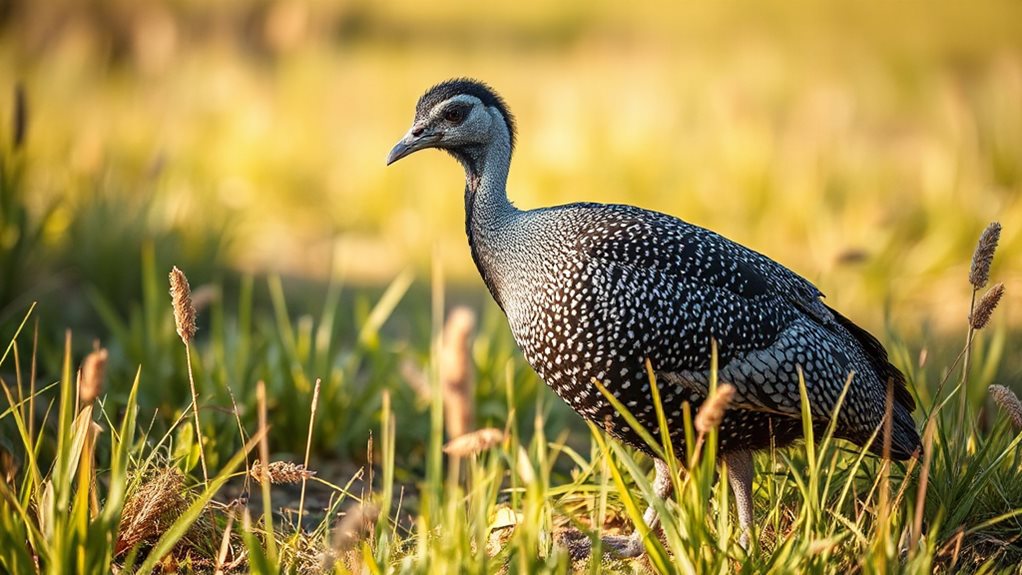
Ever wondered which birds are out there hunting ticks? You’ll find pheasants, quail, partridges, and wild turkeys scratching the ground, gulping ticks as they forage. Deer activity patterns can influence where these ground‑feeding birds search for food.
Roadrunners scour terrain, while woodpeckers, bluejays, grackles, and mockingbirds pick ticks off trees and shrubs.
Guinea fowl excel, reducing adult tick numbers, and chickens, though less voracious, still chip away at populations. Ground‑feeding birds also consume ticks while foraging on the ground.
Mammals That Eat Ticks – Tick‑Eating Animals Among Mammals
How do mammals help keep tick populations in check? You’ll find opossums crushing up to 95 % of ticks that bite them, gobbling thousands each season, while grooming traps and destroy many more.
Squirrels, chipmunks, raccoons, and shrews casually snap up ticks as they forage for seeds, acorns, or insects, reducing local infestations across parks and woodlands. New research suggests that preserving natural habitats and encouraging native wildlife can boost these tick‑eating populations and help control tick numbers.
Reptiles & Amphibians That Eat Ticks – Tick‑Eating Animals in Herpetology
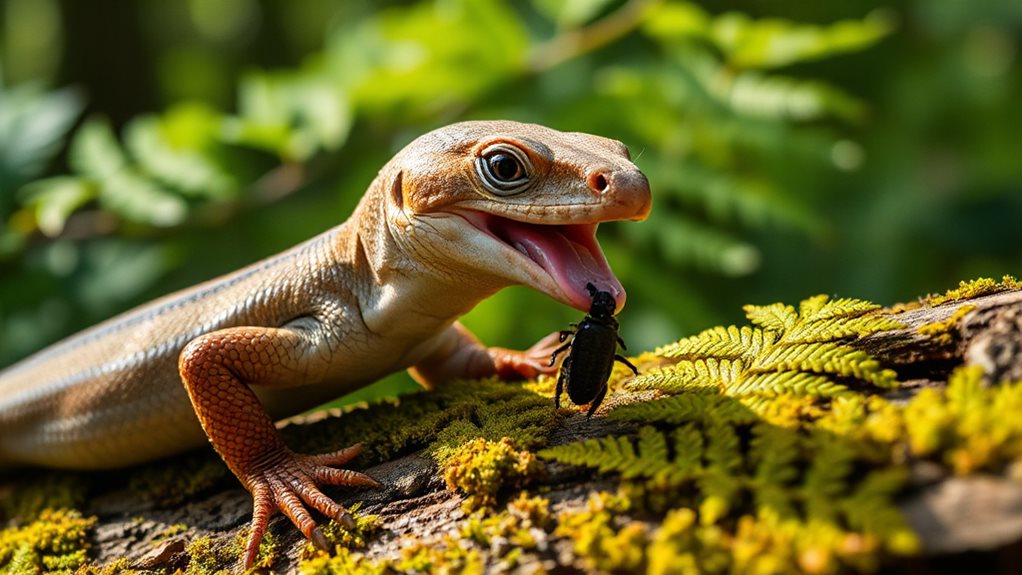
Mammals aren’t the only critters that keep tick numbers down; amphibians and reptiles also play a surprisingly active role. You’ll find frogs slurping ticks near ponds, toads snapping them up while hunting on damp ground, and lizards—especially Western fence lizards—devouring millions, reducing disease risk. These herpetiles predators, though occasional hosts, consistently trim tick populations across wet and terrestrial interfaces. Filleting small fish with a flexible fillet knife helps researchers prepare specimens cleanly for gut-content analysis and disease monitoring.
Insects & Arachnids That Eat Ticks – Tick‑Eating Animals in the Insect World
Where do the tiny hunters of the garden floor fit into tick control? You’ll find spiders, ants, beetles, and pseudoscorpions all preying on ticks. Spiders snatch larvae and adults, even in ancient amber fossils; fire and carpenter ants patrol soil, devouring ticks; beetles patrol foliage, eating them; pseudoscorpions ambush with pincers, injecting paralyzing saliva. Leave these allies undisturbed, and they’ll keep tick numbers low. Always confirm conductor identification visually before testing polarity to reduce risk and ensure accurate results by using a digital multimeter with the black lead on negative and the red lead on positive digital multimeter.
Farm‑Friendly Animals That Eat Ticks – Tick‑Eating Animals on the Homestead
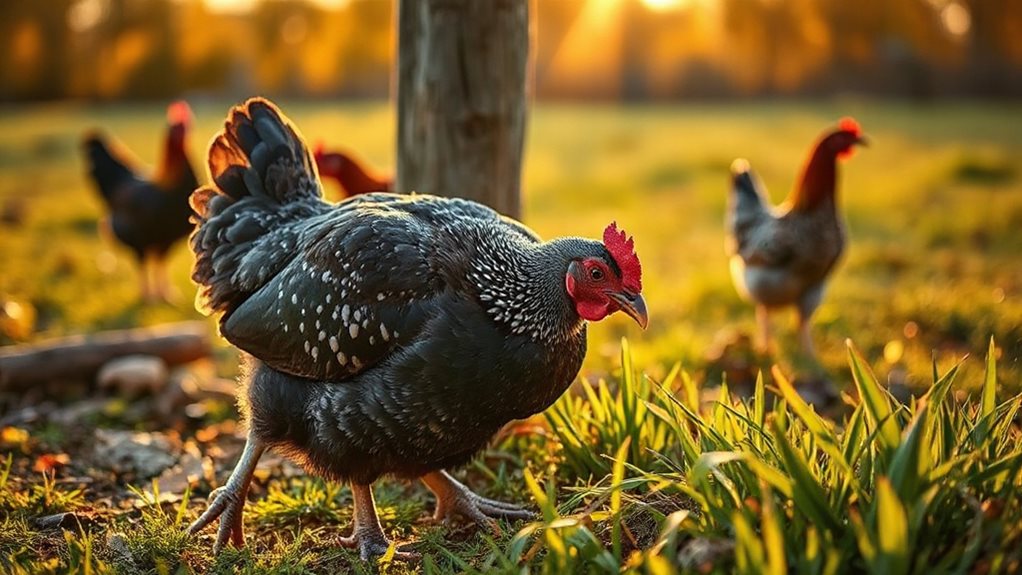
Ever wondered which farm‑friendly critters can help keep your homestead’s tick problem in check? Chickens peck the ground, grabbing ticks while laying fresh eggs; guinea fowl hunt adult ticks in packs, especially blacklegged and lone star species; opossums groom obsessively, swallowing thousands of larvae weekly; wild turkeys forage woodland edges, reducing tick loads; ducks roam damp yards, eating ticks alongside other insects. Together they offer natural, low‑maintenance tick control. Many of these animals thrive in regions with abundant outdoor recreation and natural areas, such as coastal trails, which provide diverse habitats that support both ticks and their predators.
Final Note
You now know which creatures naturally keep tick populations in check—from birds and mammals to reptiles, amphibians, insects, and even farm‑friendly animals. By encouraging these predators in your garden or pasture, you can reduce reliance on chemicals and promote a balanced ecosystem. Remember to provide suitable habitats, such as brush piles, water sources, and nesting boxes, to attract and sustain these helpful species, and you’ll enjoy healthier plants, pets, and people alike.


