
Stop moving the moment you realize you’re lost, sit down, and take slow breaths to calm your mind—panicking wastes energy and clouds judgment. Check yourself for injuries, then inventory your gear. Stay put unless there’s immediate danger like fire or flood. Build a shelter with insulation from the ground, find water and purify it by boiling or filtering, and signal for help using three flashes, shouts, or whistle blasts. You’ll learn smarter moves to stay safe and enhance rescue chances.
TLDR
- Stop moving immediately to avoid panic and conserve energy while assessing your situation calmly.
- Check for injuries using the ABCs (airway, breathing, circulation) and inventory your survival gear.
- Stay in place unless facing immediate danger like fire, flood, or rockfall.
- Build a shelter insulated from the ground and use an emergency blanket to retain body heat.
- Find water from streams or seeps, purify it by boiling or filtration, and signal rescuers with three repeated sounds or flashes.
Stop Immediately to Calm Your Mind
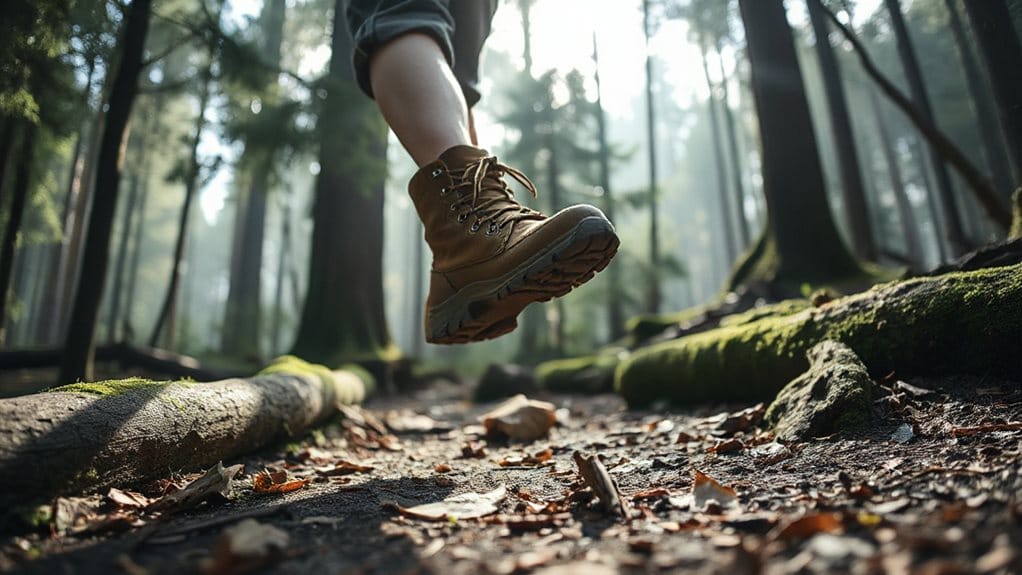
When you realize you’re off course, the most important thing you can do is stop—right then and there—because moving while disoriented only makes things worse.
Sit down, take slow breaths, and let your mind reset. Staying put reduces panic, conserves energy, and increases your chances of being found. Calm thinking now prevents dangerous choices later. Bring essential items like a first aid kit and a fully charged phone to improve your odds in an emergency.
Check for Injuries and Inventory Gear
Take a moment to turn your focus inward—your next step is checking for injuries using a clear, methodical approach so nothing gets overlooked.
Start with your airway, breathing, and circulation, then assess disability and exposure.
Check your head, neck, spine, and extremities carefully.
Test movement and sensation.
If you’re alert and injury-free, inventory your gear—know what tools you have, and use them wisely to stay safe, mobile, and in control.
Also make sure your kit includes essential bandages and gauze and other supplies so you can treat wounds immediately.
Stay Put Unless There’s Immediate Danger

You’ve checked yourself for injuries and taken stock of your gear—now it’s time to make one of the most important decisions: whether to stay where you’re or move.
Stay put unless there’s immediate danger, like fire, flood, or rockfall. Remaining in place keeps you easier to find, conserves energy, and reduces injury risk—key when help is on the way. Make sure you have a well-stocked first aid kit and basic survival items within reach.
Build a Shelter to Stay Warm
You’ll lose heat fast if you’re lying directly on the ground, so start by insulating yourself with a thick bed of pine boughs, leaves, or grass—aim for at least 4 to 6 inches to block cold transfer.
Toss an emergency blanket underneath or around your shelter to reflect body heat and keep moisture out, especially in damp or freezing conditions.
Then pile on more debris, like leaves or bark, sloping the walls outward to shed rain and wind while trapping warm air inside your compact shelter.
Remember to include an insulated sleeping pad or extra clothing beneath you to further reduce conductive heat loss and retain warmth, especially in winter conditions where ground cold is significant, which is a key part of Body Temperature Management.
Insulate From Ground
Staying warm in the wild starts from the ground up, and skipping this step can undo even the best-laid shelter.
Build a thick, dry mattress of leaves, grass, or pine needles—10–15 cm thick, more in cold weather. Use coarse boughs as a base, add finer material on top, and extend it beyond your body. Keep it dry, layered, and shingled to trap air and block cold spots, staying insulated all night.
Use Emergency Blanket
A solid layer beneath you keeps cold from leaching away body heat, but adding an emergency blanket into your shelter system takes that protection further—especially when temperatures drop.
Use it as a tarp shelter with paracord and trees, reflect body heat back to you, or lay it under you to block ground moisture.
Its lightweight, windproof design works fast when you need quick rain cover or a signal for rescue—simple, versatile, and reliable when freedom depends on staying warm and seen.
Build Debris Shelter
Start by finding a spot rich in natural materials—your shelter depends on easy access to sticks, leaves, and debris.
Clear hazards, then prop a strong ridge pole from the ground to a tree or stump.
Add ribs and lattice, layer on at least two feet of leaves or grass, and insulate the floor.
Stay centered, seal the entrance, and you’ll trap warmth safely through the night.
Find and Purify Water Fast
You need water fast, so head for flowing streams or springs—they’re your best bet for cleaner, safer water.
Always pre-filter through a bandana or sand to remove gunk, then purify using boiling, chemicals, or UV to kill hidden pathogens.
Stay sharp: avoid murky water, animal signs, or odd smells, and keep treated water clean from the start.
When possible, use a lightweight filter like the Sawyer Squeeze to remove bacteria and protozoa before purification.
Locate Water Sources Quickly
Zero in on water fast by reading the land like a tracker—because every slope, shadow, and animal trail gives you clues.
Follow dry streambeds downhill, watch bird flights at dawn, and check rock bases for seeps.
Dig in damp sand or wet ground to pool water slowly.
Use tarps for rain, wring dew from grass, and tap tree-root zones where moisture hides—nature’s always leaking clues.
Purify Water With Care
Now that you’ve tracked down a water source—whether from a seep at the base of rocks, damp soil in a dry creek bed, or morning dew wrung from your shirt—it’s time to make that water safe to drink.
Filter through cloth, sand, and charcoal to remove debris, then boil for one minute (or three above 5,000 feet) to kill pathogens. If you can’t boil, use purification tablets, UV light, or a commercial filter—just make certain water is clear first.
Signal Rescue With Threes
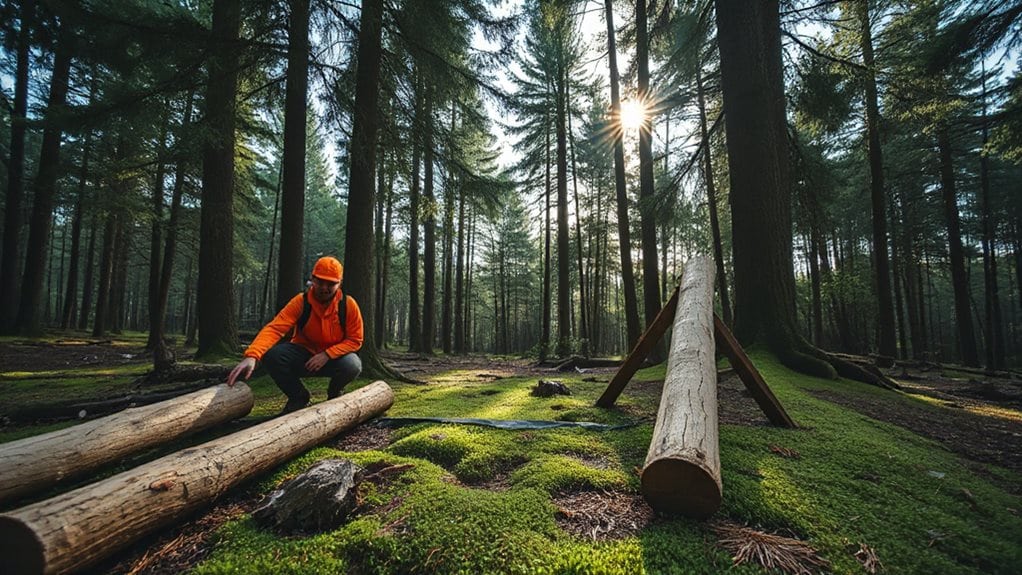
When you’re deep in the woods and need help, making your distress known clearly and effectively can make all the difference—so it’s no accident that the number three shows up again and again in survival signaling.
Use three whistle blasts, flashes, or shouts, pause, then repeat.
This pattern stands out, travels far, and is instantly recognized by rescuers—simple, reliable, and within your control.
Move Downhill Only If You Must
If you’re truly lost and staying put no longer seems safe, moving downhill might cross your mind—but you should only consider it as a last resort. Use S.T.O.P., assess terrain and water visibility, and confirm you’re not injured or near exhaustion.
Downhill travel risks slips, fatigue, and worse disorientation—only proceed if you’re confident it’s your best, not just easiest, option.
Conserve Energy While Waiting

Staying put doesn’t mean wasting energy—conserving it wisely is how you stay sharp and ready for rescue.
Breathe deeply to stay calm and clear-headed, avoid shivering or sweating by regulating your temperature with shelter or shade, and move slowly only when necessary.
Sip water, rest often, and ditch heavy gear.
Every choice saves energy, keeps you in control, and extends your strength until help arrives.
Final Note
You’ve got this. Stay calm, stay smart, and follow these steps—you’re giving yourself the best chance. Remember, survival isn’t about heroics; it’s about patience, preparation, and good decisions. Keep your mind clear, your body warm, and your signals visible. Help is more likely to find you than you are to find help. Trust the process, conserve energy, and stay hopeful. You’re not out of options.


