
You should aim for a pack that’s about 10 % of your body weight on day hikes and roughly 20 % for multi‑day trips, but adjust this based on your fitness, terrain, and gear needs; heavier hikers often carry a lower percentage, while lighter hikers may handle more. Choose a pack size that fits your torso, keep base gear between 20–30 lb (or under 10 lb if you ultralight), and budget water at ~3.3 lb per 1.5 L. By fine‑tuning these numbers you’ll stay comfortable, reduce injury risk, and uncover more tips ahead.
TLDR
- Aim for backpack weight ≈ 10 % of body weight on day hikes and ≈ 20 % on multi‑day trips.
- Adjust the percentage (12‑15 %) for terrain difficulty, fitness level, and strength.
- Choose a pack size that matches your torso and trip length to avoid overpacking.
- Keep base gear (shelter, sleeping bag, pack) under 20 lb; ultralighters target < 10 lb.
- Plan consumables carefully: water ≈ 3.3 lb per 1.5 L, and allocate food and gear within the target weight.
Calculate Your Safe Backpack Weight Based on Body Mass
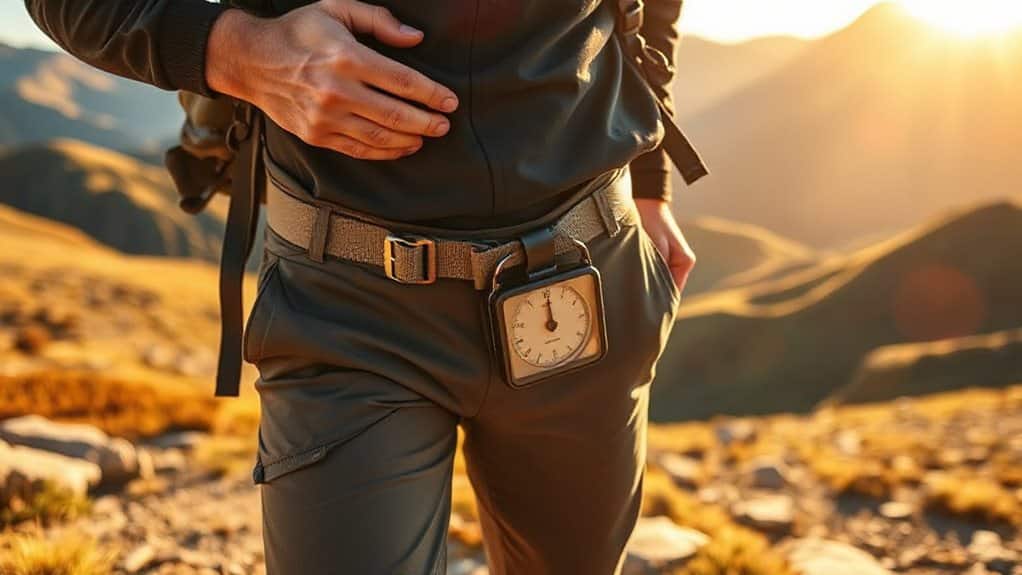
When you calculate a safe backpack weight, start with your body mass and apply the most reliable guidelines, because the load you carry directly influences comfort, performance, and injury risk.
Use the 20 % rule for multi‑day trips, 10 % for day hikes, but adjust for your strength, terrain, and gear needs.
Remember that heavier hikers often carry a lower percentage, while lighter hikers may handle more, and always keep medical advice in mind. Research shows that load capacity varies with body size, not a single universal percentage.
Pack items with multiple uses when possible to reduce overall carried weight and improve load efficiency.
Compare Day‑Hike vs. Multi‑Day Backpack Weight Limits (10% / 20%)
If you’re planning a short trek, the day‑hike rule of thumb keeps your pack around 10 % of your body weight, whereas a multi‑day voyage pushes that limit to roughly 20 %. For a 150‑lb hiker, that means 15 lb for a day, 30 lb for several nights. A 70‑kg adventurer follows 7 kg versus 14 kg. These percentages balance comfort, stamina, and freedom, letting you move efficiently without overloading. Plan your consumables carefully to avoid carrying excess water weight while still meeting hydration needs.
Adjust Backpack Weight Percentage for Size, Fitness, and Terrain
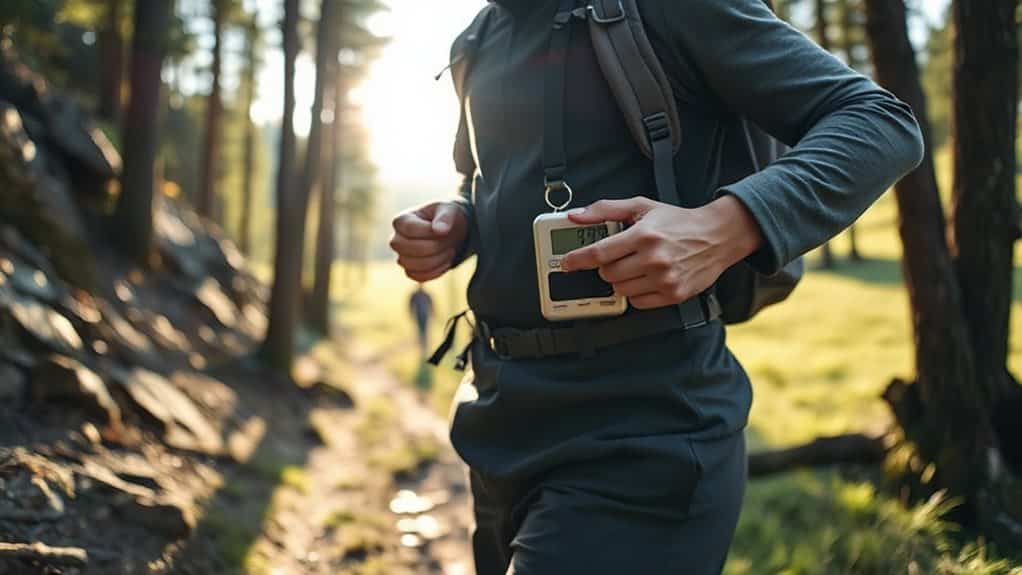
After noting that day‑hike and multi‑day trips use simple 10 % and 20 % body‑weight rules, it’s time to refine those percentages based on your torso length, fitness level, and the terrain you’ll tackle.
Measure your torso, choose a pack that matches, then adjust the target: 15 % for long, smooth trails, 20 % for moderate routes, and drop toward 12 % for rugged, technical terrain, factoring in strength and fitness. Plan ahead and pack the 10 essentials to stay safe and minimize your impact.
Break Down Backpack Weight: Gear, Food, Water, Consumables
Because the total load you’ll carry is the sum of several distinct categories, breaking down backpack weight into gear, food, water, and consumables is essential for precise planning.
Your base gear—backpack, shelter, sleeping bag—usually sits between 20‑30 lb, with ultralighters targeting under 10 lb.
Water adds roughly 3.3 lb per 1.5 L bottle, while food and snacks vary daily.
Minimal shared items and seasonal clothing add a few extra pounds, so tally each component to stay within your target weight.
Also factor in navigation and safety items like a map, compass, and backup GPS when calculating your total pack weight.
Choose a Pack Size That Meets Your Target Weight
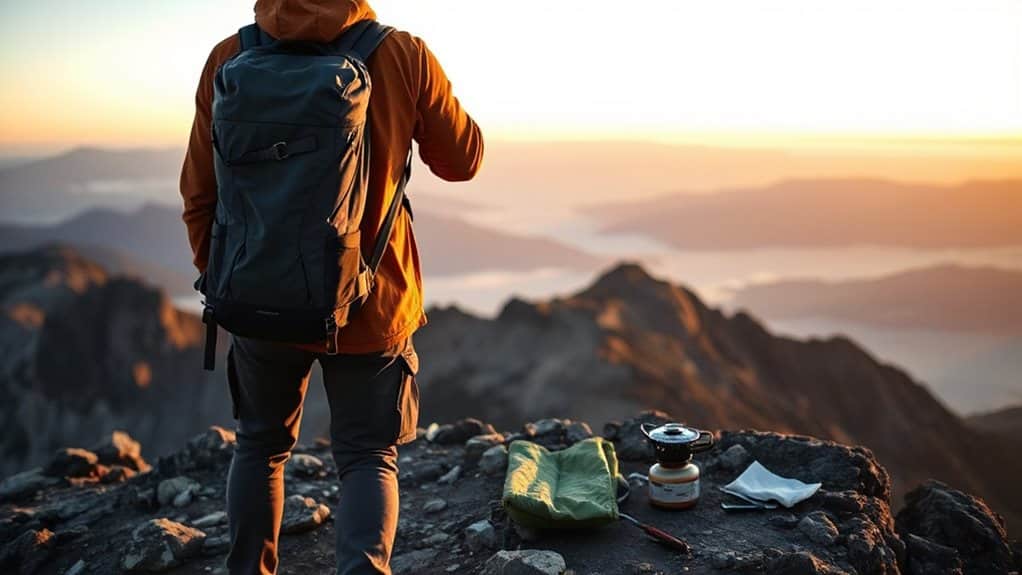
Pick a pack whose volume matches your body size, because a well‑fitted pack lets you carry the right amount without overloading your shoulders.
Remember that a larger pack can tempt you to add extra gear, increasing the overall weight, so choose the smallest capacity that still holds your essentials.
Finally, adjust for the season—cold‑weather layers or summer ultralight gear will shift the load, so factor those items into your target weight before you buy.
Choose short, low‑elevation hikes to build confidence and limit fatigue, and start with routes of 3–5 miles one‑way to keep your first overnight trips manageable and safe for your target pack weight, especially when learning pack balancing techniques.
Match Capacity Aligns With Body
Choosing a pack size that matches your body and target weight is the simplest way to keep your load safe and comfortable.
Pick a volume that aligns with your torso length and trip length—18‑40 L for day hikes, 35‑60 L for multi‑day trips—so you avoid overpacking.
A well‑fitted pack transfers weight to your hips, keeps balance steady, and lets you stay within the 10‑20 % body‑weight guideline, even as food and water are used.
Litter Size Influences Weight
Your pack’s liter rating directly shapes how much gear you can fit, which in turn determines the total weight you’ll carry. Selecting a 20‑35 L day pack naturally caps your load, keeping you in the 10‑20 lb range, while a 50‑70 L model invites 20‑30 lb totals if you overfill.
Match volume to trip length and gear needs, then stick to your target weight for safe, unrestricted hiking.
Seasonal Gear Adjusts Load
When you plan a hike, the season dictates how much gear you’ll need, and that directly shapes the pack size you should choose to stay within your target weight. Choose a pack that fits your seasonal load, not the other way around; a smaller pack limits overpacking, while a larger one accommodates extra insulation, rain gear, and clothing.
Swap heavy items for down, tarp, or inflatable pads to keep weight low, and balance the load side‑to-side for comfort.
Trim Your Backpack Weight in 5 Simple, Safe Steps
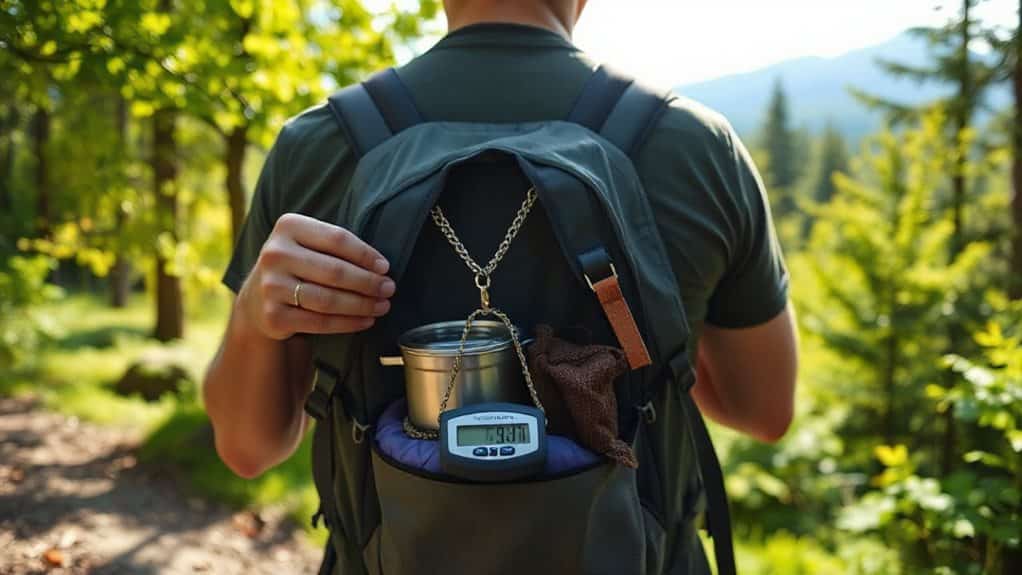
Let’s start by measuring every piece of gear with a scale, because precise numbers keep you from over‑estimating weight and help you spot the heaviest items.
Weigh each item, log it, then target the “Big Three”—tent, pack, sleeping bag—to hit a 6‑8 lb ultralight goal.
Consolidate gear, choose versatile layers, and repack food in lightweight bags.
Trim excess clothing, use collapsible bottles, and portion toiletries for the trip.
Why Light Backpack Gear Prevents Injuries and Boosts Endurance
If you lighten your pack, you instantly reduce the strain on your back, shoulders, hips and legs, which means less cumulative stress and lower risk of soreness or overuse injuries.
A lighter load spreads force evenly, improves balance, and keeps fatigue at bay, so you stay agile on rocks and steep climbs.
This conserves energy, extends your endurance, and lets you hike farther with fewer aches, supporting long‑term freedom on the trail.
And Finally
By keeping your pack under about 10 % of your body weight for day hikes and 20 % for multi‑day trips, you’ll stay comfortable and reduce injury risk. Adjust the percentage for your size, fitness, and terrain, then break the load into gear, food, water, and consumables. Choose a pack that fits your target weight, and trim excess in five simple steps. Light gear enhances endurance, protects joints, and lets you enjoy the trail with confidence.


