
You’re sweating heavily, feel dizzy, and your skin is cool and clammy—this is heat exhaustion, your body’s early warning. Act fast: move to shade, sip water, and cool down. If you stop sweating, your skin turns hot and dry, or you feel confused, it’s likely heat stroke—a medical emergency. Call 911 immediately and start cooling with ice or water. Know the signs, stay prepared, and protect yourself before things escalate—there’s more you can do to stay safe outdoors.
TLDR
- Heat exhaustion features heavy sweating, cool/clammy skin, and weakness; heat stroke shows hot/dry skin, confusion, and body temperature over 104°F.
- Move heat exhaustion victims to shade, cool them down, and offer sips of water; seek immediate medical help for suspected heat stroke.
- Call 911 if someone stops sweating, has altered mental status, or body temperature reaches 104°F or higher.
- Prevent heat illness by staying hydrated, wearing breathable clothing, and avoiding peak sun hours (10 a.m. to 4 p.m.).
- Older adults, young children, and those with chronic conditions or on certain medications are at higher risk in extreme heat.
Heat Exhaustion or Heat Stroke? Know the Difference Fast

While both heat exhaustion and heat stroke stem from overheating, knowing the difference could save a life—so let’s break it down fast.
If you’re sweating heavily, feel weak, and have cool, clammy skin, it’s likely heat exhaustion. But if your skin’s hot and dry, you’re confused or faint, and stop sweating, it’s heat stroke—call 911 now. Portable water filtration can help prevent additional dehydration risks on long outdoor trips.
Decreased sweating is a hallmark sign of heatstroke and indicates the body’s cooling system has failed.
Hot and Dry vs Wet and Clammy: What Sweating Tells You
You can often tell whether someone is dealing with heat exhaustion or heat stroke just by touching their skin—no thermometer required.
If it’s wet, cool, and clammy, heavy sweating means their body’s still trying to cool down. But if the skin feels hot, red, and dry, sweating has stopped—this means danger, and immediate medical help is essential.
Confusion or Collapse? How Heat Affects the Brain
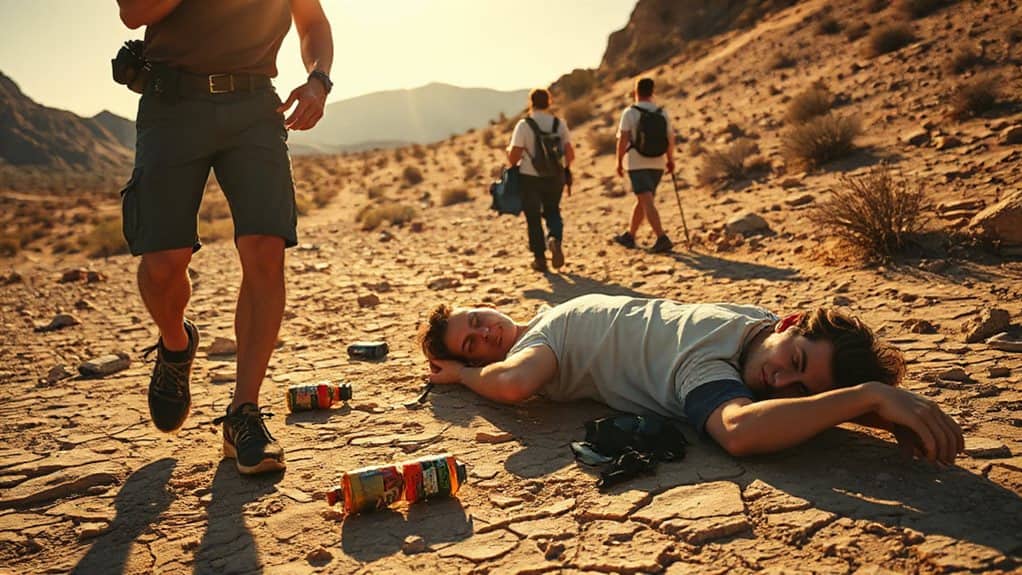
When your body overheats, your brain feels it fast—confusion, dizziness, or even sudden collapse aren’t just possible, they’re warning signs your mind is struggling to keep up.
You lose focus, memory slips, and complex tasks get harder as blood shifts away from your brain.
Even mild heat stress can slow your thinking, so stay cool, stay sharp, and trust your instincts when something feels off.
Plan ahead for emergencies and let someone know your route and return time to reduce risks and speed rescue if needed inform someone.
Body Temp Over 104°F? That’s Heat Stroke: Here’s Why
If your body temperature climbs above 104°F, you’re no longer dealing with heat exhaustion—this is heat stroke, a life-threatening emergency.
Your body can’t cool itself, sweating stops, and organs are at risk. Brain function drops, heart strain increases, and damage escalates fast.
Cool down immediately, call 911, and aim to lower core temp below 102°F.
Also remember to stay hydrated and replace electrolytes to support recovery, especially when hydration packs may freeze in cold conditions.
Cramps, Nausea, Weakness: Early Warning Signs of Heat Exhaustion

A core temperature over 104°F signals a dangerous heat stroke, but before reaching that critical point, your body sends earlier warnings—signals you shouldn’t ignore.
You might feel muscle cramps, nausea, or sudden weakness, especially when active in the heat.
Your skin could turn cool and moist, even as your body overheats.
Don’t push through—rest, rehydrate, and cool down fast.
Look for natural wind blocks and choose a spot exposed to sunrise to help protect against heat loss when resting in cold conditions.
Call 911 Now: When Heat Illness Turns Life-Threatening
One in four heat-related illnesses escalates to a medical emergency, and recognizing the shift could save a life.
If your temperature hits 103°F or higher, and you’re confused, stop sweating, or feel your heart racing, act now. These aren’t just bad symptoms—they mean your body’s failing. Call 911 immediately. Every minute counts.
Make sure you also carry a well-stocked first aid kit and know basic wilderness safety skills to help until help arrives.
Cool Down Fast: First Aid for Heat Exhaustion

Bring your body temperature down fast—heat exhaustion is serious, but you can reverse it with quick action.
Move to a cool, shaded, or air-conditioned area, and loosen or remove extra clothing.
Sip cool water or an electrolyte drink, and apply cold compresses to your neck, armpits, and groin.
Fan your skin while misting it with water, rest with legs raised, and monitor how you feel every 15 minutes.
Emergency Steps for Heat Stroke: Act Before It’s Too Late
If you suspect someone is suffering from heat stroke, act immediately—this is a life-threatening emergency. Call 911, move them to a cool area, and start cooling fast with cold water, ice packs, or wet cloths.
Monitor breathing and temperature, never leave them alone, and offer fluids only if conscious. Quick action saves lives.
Stay Safe in the Heat: Prevention Tips for Everyone
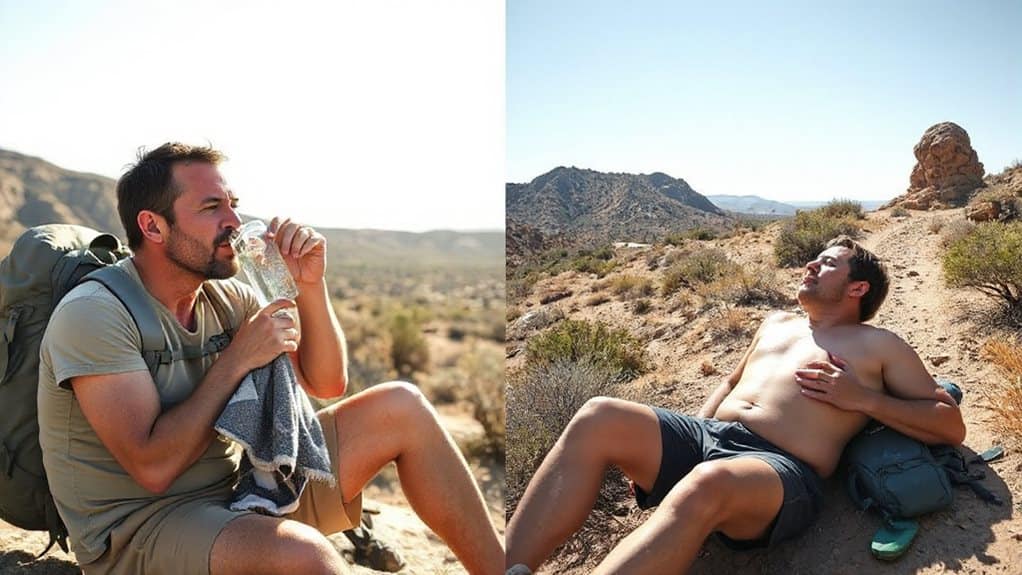
Stay hydrated by drinking water every 15 to 20 minutes, even if you’re not thirsty—it’s easier to keep up than to catch up.
Wear loose, light-colored clothes and a hat to help your body stay cool, and don’t skip sunscreen since sunburn can make heat harder to handle.
When the sun’s strongest, from 11 a.m. to 3 p.m., step into the shade or an air-conditioned space to give your body a break.
Hydrate Early And Often
You’ve probably heard it before—drink water when you’re thirsty—but by the time you feel that urge, you’re already playing catch-up. Hydrate early and often, aiming for 8 ounces every 15–20 minutes in heat.
Sip steadily instead of drinking large amounts at once, and remember, food like watermelon helps too. Keep water handy, especially outdoors, so you stay free to work, play, and thrive safely.
Wear Breathable Clothing Layers
Dressing smart can make all the difference when heat starts to build. Choose breathable, moisture-wicking fabrics that let hot air escape and pull sweat away. Opt for lightweight, loose layers to enhance airflow and avoid heat stress.
Skip heavy, non-breathable gear—it traps heat. Single-layer AR/FR clothing won’t markedly increase heat load, so focus on vapor-permeable, hydrophilic-hydrophobic blends for comfort and safety.
Seek Shade During Peak Sun
When the sun climbs high, your clothing choices matter—but so does your location. Seek shade between 10 a.m. and 4 p.m., when UV rays peak, even if it’s cloudy.
Use trees, umbrellas, or awnings to block intense midday sun. Stay under cover during high UV levels (6+), and take breaks in cool, shaded spots—especially if you’re with kids.
It’s a simple move that keeps you safe, free, and in control outdoors.
Who’s Most at Risk During Extreme Heat?
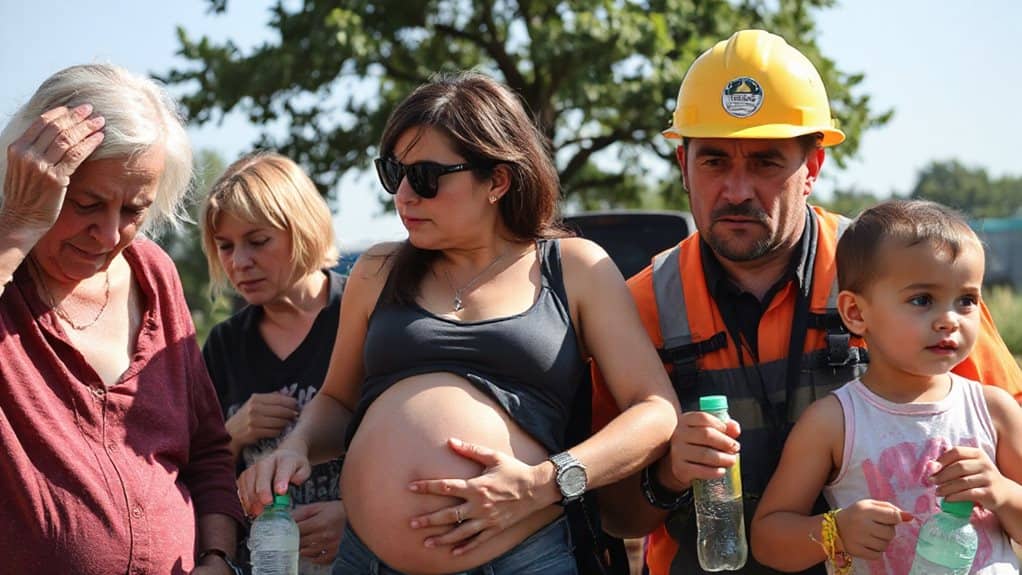
You’re more at risk during extreme heat if you’re 65 or older, especially if you live alone or lack air conditioning.
Kids under four struggle to regulate body temperature, making them vulnerable too.
And if you have chronic conditions like heart disease, diabetes, or obesity, your body’s ability to handle heat is weakened, increasing your danger.
Elderly And Heat Vulnerability
While age naturally brings wisdom, it also brings changes that make your body less equipped to handle extreme heat—especially once you reach 65 and beyond.
Your ability to sweat and regulate temperature declines, blood flow to the skin drops, and you may not even feel how hot it’s getting.
If you’re over 85, your risk rises sharply—stay cool, stay aware, and don’t wait to act.
Children At Higher Risk
Because their bodies aren’t built to handle extreme heat, children face a higher risk of heat-related illness—especially infants and toddlers under four years old.
You’ll notice they sweat less, overheat faster, and can’t always say they’re struggling.
Keep them hydrated, never leave them in parked cars, and limit outdoor play during peak heat.
Watch closely, stay proactive, and help them stay cool.
Chronic Illness Complications
When the mercury rises, your body isn’t the only thing feeling the strain—chronic health conditions can worsen under extreme heat, putting you at greater risk without warning.
If you have heart disease, diabetes, or kidney issues, heat stresses your body more, raising risks of stroke, dehydration, and organ strain.
Respiratory and neurological conditions also flare, while some medications limit your ability to cool down—stay aware, stay safe.
Final Note
You now know the key differences between heat exhaustion and heat stroke, and how to respond quickly. If you feel dizzy, clammy, or nauseous, cool down right away and hydrate. If someone’s confused or has a body temperature over 104°F, it’s heat stroke—call for help immediately. Stay safe by staying hydrated, wearing light clothing, and taking breaks in the shade, especially if you’re at higher risk.


