
Choose a well‑fitted backpack that matches your torso length, pack a map, compass, and backup GPS, and add a whistle and signal mirror for emergencies. Wear layered clothing—moisture‑wicking base, insulating mid‑layer, and waterproof shell—plus supportive boots with ergonomic insoles to reduce fatigue. Carry 0.5–1 L water per hour with electrolytes, a filter, and snacks, and keep a headlamp, first‑aid kit, and emergency bivvy handy. Organize everything in compression sacks and dry bags, and you’ll stay comfortable, safe, and prepared for any trail; the next sections expand each topic.
TLDR
- Carry a map, compass, and a backup GPS device, plus a whistle and signal mirror for emergencies.
- Use a layered clothing system: moisture‑wicking base, insulating mid‑layer, and waterproof breathable outer shell.
- Choose well‑fitted, waterproof hiking boots with ergonomic insoles for support, stability, and reduced fatigue.
- Plan hydration: drink 16‑20 oz 2‑3 hours before, 8‑10 oz 20 minutes prior, then 0.5‑1 L per hour with electrolytes and carry 3‑4 L total.
- Pack efficiently with compression sacks, dry bags, and a properly fitted backpack that aligns the hip belt with your belly button.
Pack the Essential Gear for Beginner Hikers
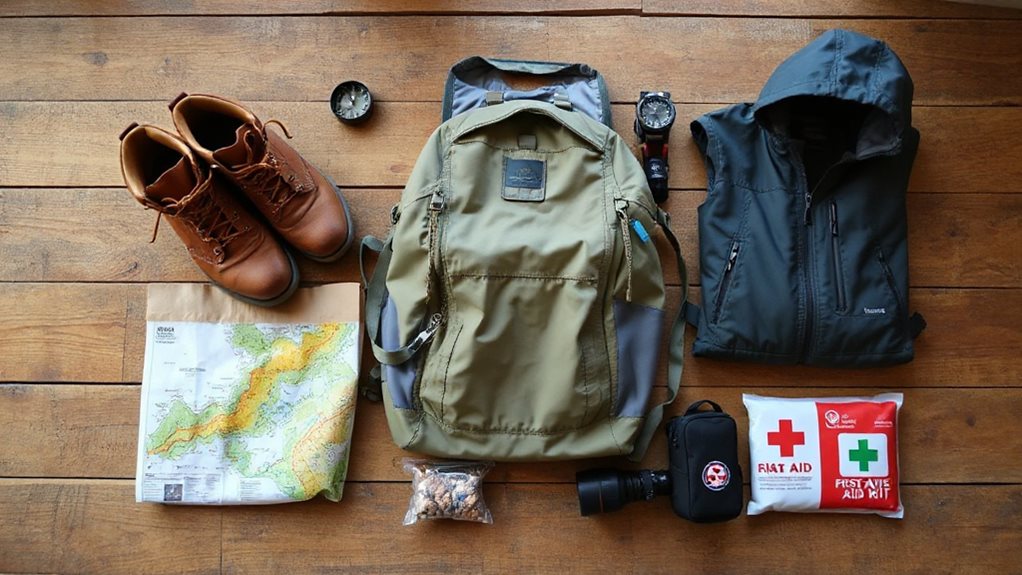
When you’re gearing up for your first hike, start by packing the essentials that keep you safe, comfortable, and prepared for anything the trail throws at you. Bring a map, compass, and a GPS backup, plus a whistle and signalling mirror for emergencies. Layer moisture‑wicking base, rain gear, and a lightweight fleece. Wear sturdy boots, gaiters, and pack spare socks. Carry water, a filter, snacks, a spork, and electrolytes. Include a first‑aid kit, multi‑tool, sunscreen, and an emergency bivvy. Hiking poles are also recommended for stability and reducing strain on long descents.
Find the Perfect Backpack Size and Fit for Beginners
First, measure your torso length from the base of your neck to your hip bone to pinpoint the right frame size, then compare that measurement to the brand’s size chart.
Next, check the pack’s frame—internal or external—and make sure it matches your body’s proportions, as a well‑matched frame distributes weight evenly.
Finally, load the backpack with gear you’d actually carry, strap it on, and walk around; if the hips and shoulders feel comfortable and the pack stays stable, you’ve found a good fit.
Also, consider rotating between two backpacks across trips to reduce wear and extend each pack’s lifespan, particularly on heavier loads and rough terrain, which accelerate breakdown of straps and padding (see rotate pairs).
Measure Torso Length
How do you guarantee your backpack fits like a glove before you hit the trail? Tilt your head forward, locate the C7 vertebra at the base of your neck, then place your hands on your hips, thumbs back to feel the iliac crest. Measure from C7 down the spine curve to the crest line, using a flexible tape. Match that length to the pack’s torso specs, adding two inches for hip‑belt‑to‑shoulder distance, and choose the smaller size if you’re between ranges to keep weight balanced. Have a friend help for accuracy.
Check Frame Size
Your torso measurement tells you exactly which frame size to look for, so after you’ve measured from C7 to the iliac crest, compare that number to the brand’s torso‑range chart and pick the size that encompasses it.
Small frames usually cover 16‑18 inches, medium 18‑20, large 20‑22. Check the chart, test both sizes if you’re between, and verify that shoulder straps sit flush, the hip belt aligns near your belly button, and the load lifters form a 45‑degree angle for unrestricted movement.
Test Load Comfort
What feels right when you load a backpack with the gear you’ll actually carry? Test it with the weight you expect on the trail, adjusting shoulder straps and hip belt until they sit level and snug. Check that the sternum strap engages, that weight distributes evenly, and that you can move freely. Realistic load testing reveals fit issues before you commit, ensuring comfort and freedom on every hike.
Select Footwear for Beginner Hikers (Including Break‑In Tips)
Which shoes will keep your feet comfortable, protected, and stable on those first hikes? Choose Merrell Moab 3 for true sizing and versatility, Columbia Newton Ridge Plus for budget‑friendly waterproof grip, or Hoka Kaha 3 for a roomy toe box and cushioned ride.
Break them in on short walks with thick socks, bend stiff laces, and test traction on varied terrain before longer excursions.
Many states require completion of a boating safety education course to operate certain vessels, so consider completing a boater education program as part of your outdoor safety training.
Create a Smart Clothing System for Beginner Hikers
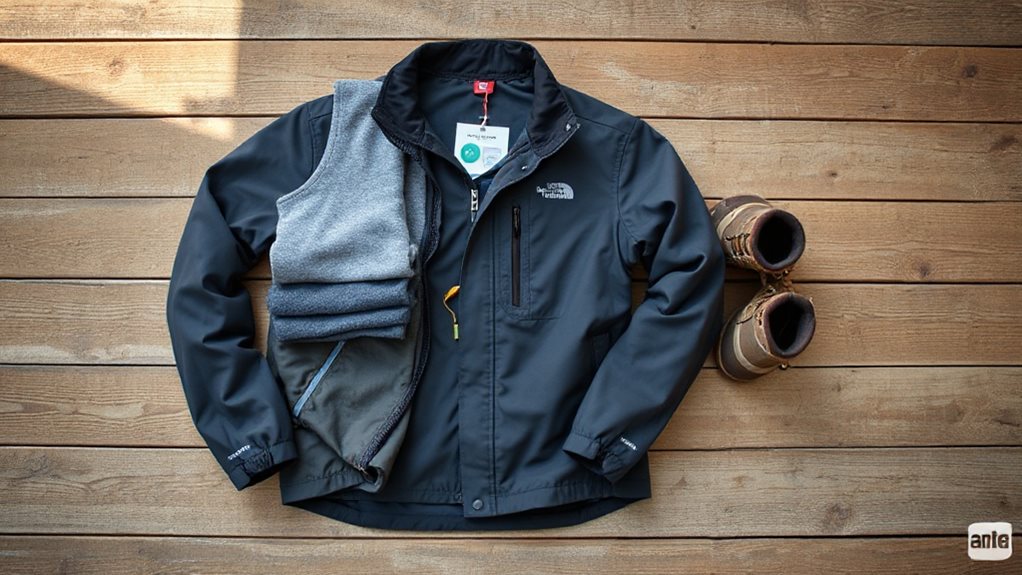
You’ll start by stacking a moisture‑wicking base layer, like merino wool or polyester, then add a fleece or puffy mid‑layer for insulation, and finish with a waterproof shell that blocks wind and rain.
This three‑piece system lets you trim or add layers as temperature shifts, keeping you dry and comfortable without overheating.
Layered Temperature Management
Ever wondered how a simple clothing system can keep you comfortable from a sunny summit to a chilly valley? Choose a breathable mid‑layer—fleece or Polartec® Alpha®—that traps heat yet lets moisture escape, then add a waterproof, breathable shell like Gore‑Tex to block wind and rain. Pack extra insulation for rest stops, and swap layers as activity level changes, ensuring precise temperature control without bulk.
Moisture‑Wicking Base Essentials
When you’ve already nailed the layered temperature strategy, the next step is to focus on what sits directly against your skin: the base layer. Choose moisture‑wicking fabrics—synthetic polyester for rapid drying, merino wool for odor‑free warmth, or blends for balanced performance.
Opt for form‑fitting cuts, flatlock seams, and four‑way stretch; these features move sweat outward, prevent chafing, and keep you comfortable across varied terrain and intensity.
Integrated Weather‑Resistant Features
How can a beginner hiker stay comfortable when the weather flips from sunny to stormy in minutes?
You’ll trust waterproof GORE‑TEX or Sympatex shells with sealed seams, breathable layers that vent sweat, and wind‑resistant soft‑shells that block gusts without stiffening you.
Integrated PrimaLoft or Polartec insulation keeps heat close, while Rain‑Factor™ treatment, UPF 50+ protection, and quick‑dry fabrics let you move freely, stay dry, and finish trails feeling unstoppable.
Master Basic Navigation for Beginner Hikers
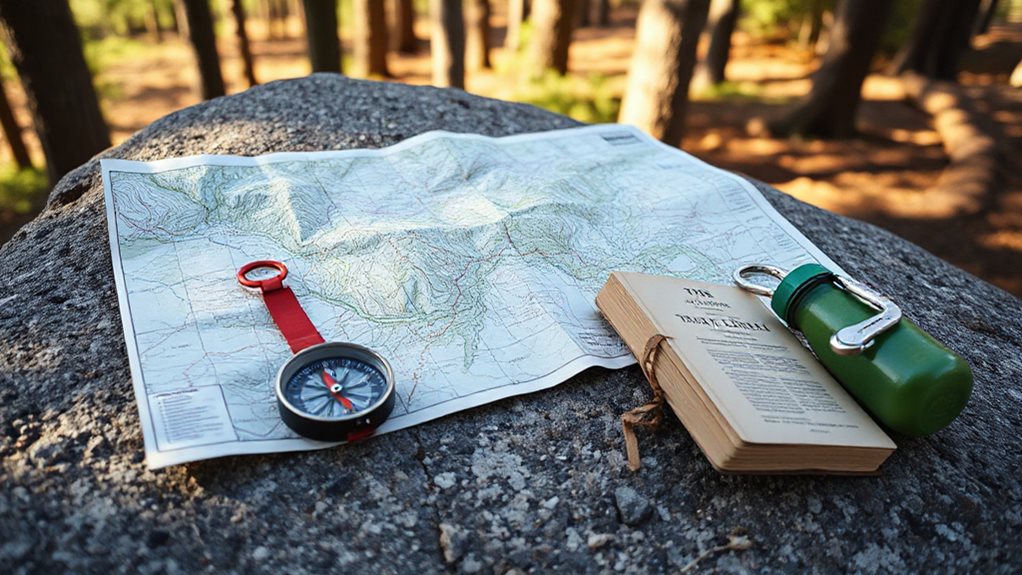
Do you know the difference between relying on a phone’s GPS and actually reading a topographic map? Contour lines show elevation; closer lines mean steeper terrain, so practice at home with paper maps and apps like Gaia GPS.
Align your compass needle with the orienting arrow, correct for declination, and take bearings to landmarks. Use creeks, ridgelines, and peaks as handrails, check position every few minutes, and shift to paper maps for confidence. Trophy pickerel are most common in productive waters with abundant food and proper cover, so anglers often target these habitats for larger fish and better success with appropriate lures and tactics like using abundant food and cover.
Stay Visible & Safe on the Trail
Ever thought about how a simple piece of reflective gear can mean the difference between being seen and staying hidden on a dim trail? Slip on a reflective jacket, attach a RECCO 6‑gram backpack reflector, and keep a whistle and signal mirror in your pack.
Carry a reliable headlamp, spare batteries, and a PLB or satellite messenger for emergencies, ensuring you stay visible and safe. Use a quality organized kit with essential gear to streamline preparedness and improve safety.
Hydration & Nutrition Strategies for Day‑Long Hikes
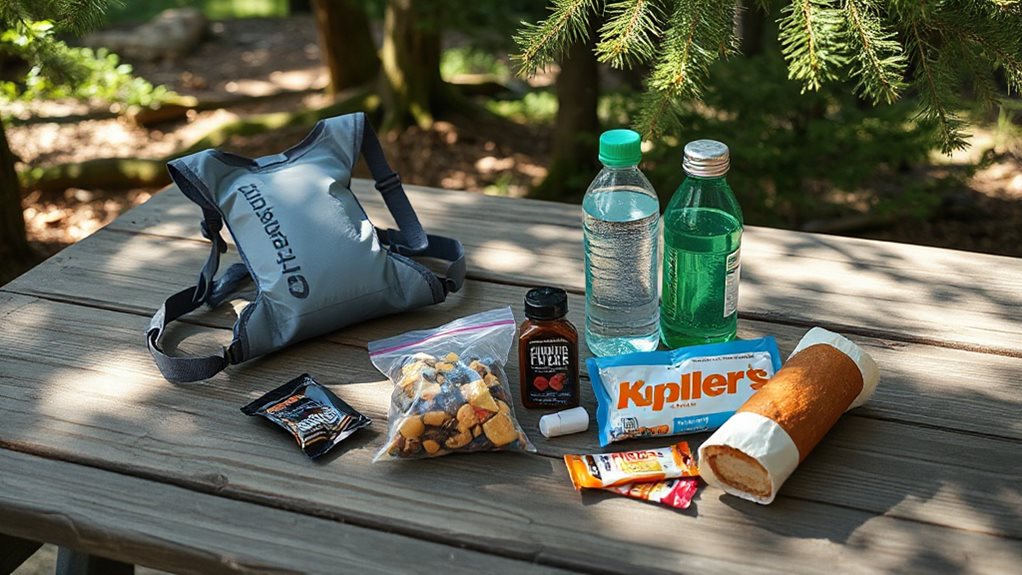
Why you’re prepared with a solid hydration and nutrition plan can be the difference between a comfortable trek and an early turn‑back.
Drink 16‑20 oz 2‑3 hours before, then 8‑10 oz 20 minutes prior; sip 3‑8 oz every 15‑20 minutes, aiming for 0.5‑1 L per hour plus sodium.
Pack 3‑4 L total, add a liter at each source, and bring salty snacks or electrolyte tablets to sustain energy and electrolytes.
Kayaking also offers a low‑impact, full‑upper‑body workout that supports the same outdoor fitness goals and can complement hiking as cross‑training for endurance and strength, particularly improving upper body conditioning.
Organize Gear With Compression Sacks & Waterproof Covers
How can you keep your pack light, organized, and protected from the elements? Use compression sacks to shrink bulky soft gear—sleeping bags, down jackets—by up to two‑thirds, and pull‑handle straps for quick removal. Pair them with waterproof dry bags for electronics and toiletries; roll, seal, and buckling to keep moisture out. Separate items by color or size, and avoid long‑term compression of down to maintain performance.
Comfort‑Boosting Gear Extras for Beginner Hikers
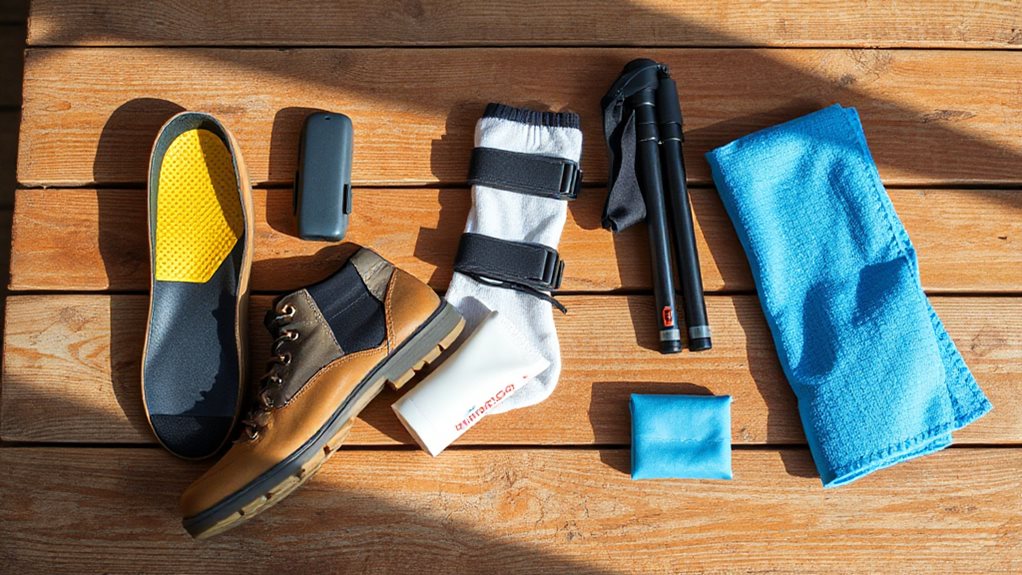
You’ll notice a big difference when you add ergonomic footwear insoles, which support your arches and reduce fatigue on long climbs.
Pair them with lightweight trekking poles, and you’ll keep your balance steady while easing knee and hip strain on steep or uneven terrain.
Together, these extras let you focus on the trail instead of sore feet or wobbling steps.
Ergonomic Footwear Insoles
Ever wondered why a good pair of insoles can feel like a secret weapon on the trail? They give you arch support that eases ankle, hip, knee, and back strain, while shock‑absorbing layers curb fatigue on long climbs. Moisture‑wicking, anti‑bacterial fabrics keep feet dry, and trail‑specific stabilization improves balance on uneven ground, letting you hike farther with less pain.
Lightweight Trekking Poles
A good pair of insoles keeps your feet stable and comfortable, but adding a set of lightweight trekking poles takes that stability to the next level, especially on uneven or steep terrain.
They give you four‑point ground contact, cutting fall risk up to 40 %, while spreading weight to ease knee and ankle torque.
You’ll feel less strain, maintain rhythm, and climb or descend faster, all without extra pack weight.
Final Gear Checklist for Day Hikes
Where do you start when you’re packing for a day hike? Begin with a map, compass, and backup GPS, then toss in a headlamp, fresh batteries, first‑aid kit, whistle, emergency shelter, and a multi‑tool. Layer synthetic base, fleece mid‑weight, waterproof outer, wear supportive boots, hat, gloves, extra socks. Fill your daypack with water, filtration, snacks, sunscreen, sunglasses, insect repellent, fire starter, repair kit, ID, money, and a watch.
Final Note
By mastering the basics—choosing the right pack, fitting sturdy shoes, layering smartly, navigating confidently, staying hydrated, and organizing gear—you’ll feel prepared for any day‑long trek. These essentials keep you safe, comfortable, and focused on the trail, letting you enjoy nature without unnecessary hassle. Stick to the checklist, adjust as you gain experience, and each hike will become a smoother, more rewarding adventure.


