
You’ll want the Samick Sage (62″, 25–60 lb, #5-ranked, 4.6 stars) for proven reliability, or the Spyder Takedown (20–60 lb, dual sizes) if you need progression flexibility. The Obert Black Hunter (60″, bamboo core, 30–60 lb) delivers hunting power, while the TOPARCHERY set (30–50 lb) includes arrows and accessories for immediate shooting. Add Shatterproof Limb Silencers to any bow for vibration dampening. Below, you’ll learn how draw weight, limb construction, and takedown design shape your shooting experience.
TLDR
- Samick Sage leads with 4.6 stars from 3,436 reviews, ranked #5, offering 25–60 lb range and lifetime warranty coverage.
- Obert Black Hunter delivers hunting-grade power with German laminate technology, bamboo core, and 4.5-star rating from 601 reviews.
- Spyder Takedown features handcrafted four-wood riser, 20–60 lb adjustability, and pre-installed bushings for extensive accessory mounting.
- TOPARCHERY 60″ provides budget-friendly complete starter kit including arrows, quiver, guards, and all essential accessories for immediate shooting.
- Takedown designs enable compact travel and limb swaps for progression; fixed bows offer superior alignment and reduced maintenance needs.
| Spyder Takedown Recurve Bow 20-60lb Draw Weight | 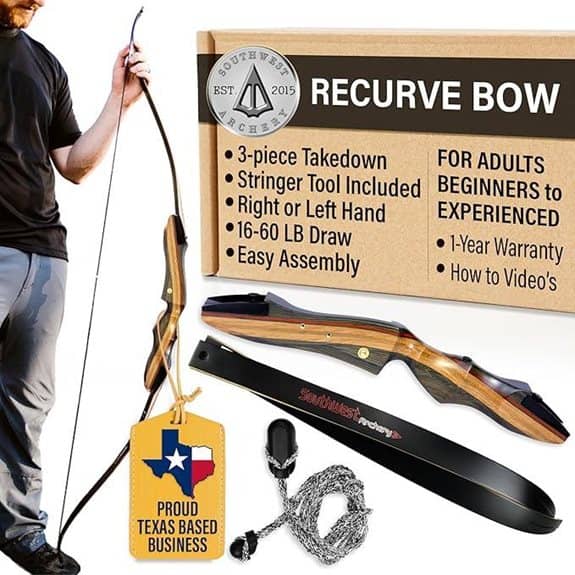 |
Best Overall | Draw Weight Range: 20–60 lbs | Bow Length: 62″ Standard, 64″ XL | Riser Material: Four naturally sourced woods | VIEW LATEST PRICE | Read Our Review |
| Shatterproof Archery Recurve Bow Limb Silencers | 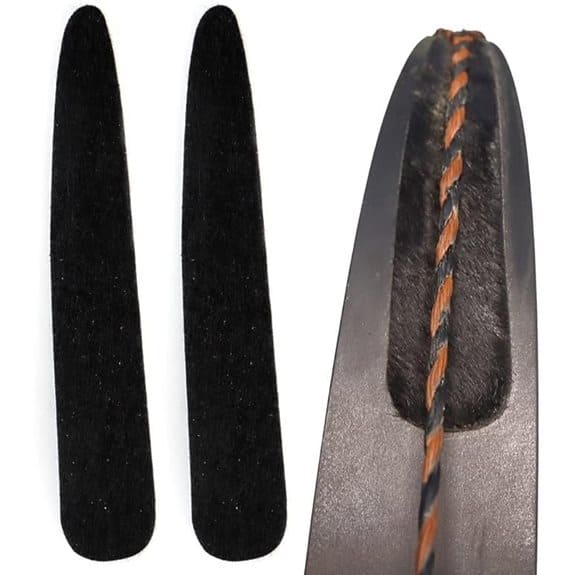 |
Essential Upgrade | Draw Weight Range: Not applicable (accessory) | Bow Length: Not applicable (accessory) | Riser Material: Not applicable (accessory) | VIEW LATEST PRICE | Read Our Review |
| Obert Black Hunter Takedown Recurve Bow 60 | 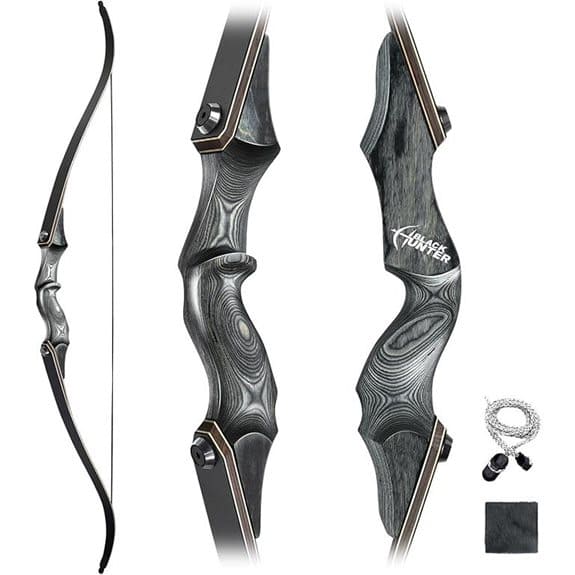 |
Best for Hunting | Draw Weight Range: 30–60 lbs | Bow Length: 60″ | Riser Material: Wood | VIEW LATEST PRICE | Read Our Review |
| Samick Sage Takedown Recurve Bow 62-inch | 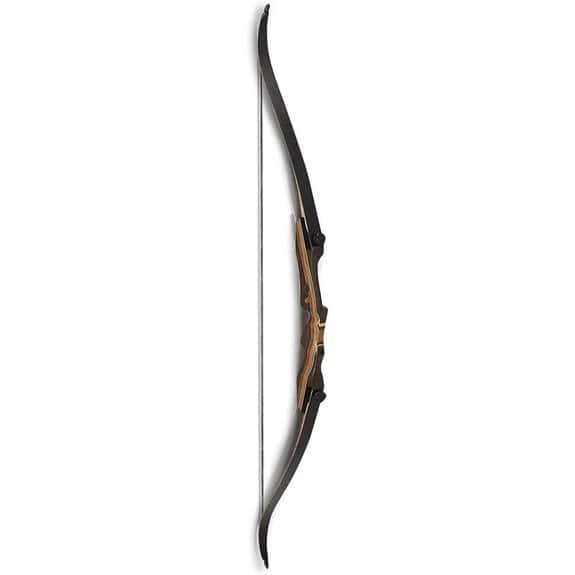 |
Editor’s Choice | Draw Weight Range: 25–60 lbs | Bow Length: 62″ | Riser Material: Lightweight maple wood | VIEW LATEST PRICE | Read Our Review |
| TOPARCHERY 60″ Takedown Hunting Recurve Bow Set | 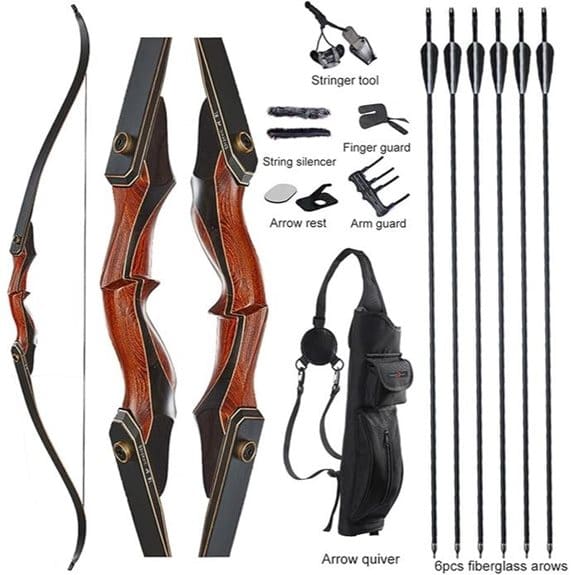 |
Complete Starter Set | Draw Weight Range: 30–50 lbs | Bow Length: 60″ | Riser Material: Laminated natural woods (maple) | VIEW LATEST PRICE | Read Our Review |
More Details on Our Top Picks
-
Spyder Takedown Recurve Bow 20-60lb Draw Weight
The Southwest Archery Spyder Takedown Recurve Bow stands out with its 20-60 lb adjustable draw weight range, making it the best choice for archers who want a single bow that grows with their skill level—from first-time beginner to seasoned shooter. You’ll get a handcrafted riser built from four naturally sourced woods with rounded edges for comfortable handling, plus fiberglass-laminated limbs with maple cores that deliver reliable performance. The takedown design means you can easily swap limbs as you progress, and it’s travel-friendly for storage. Pre-installed threaded bushings let you add sights, stabilizers, and other accessories without modifications. Choose the 62″ standard or 64″ XL model if you’re over 6′ tall.
- Draw Weight Range:20–60 lbs
- Bow Length:62″ Standard, 64″ XL
- Riser Material:Four naturally sourced woods
- Limb Material:Fiberglass-laminated with maple wood core
- Hand Orientation:Left or Right
- Included Accessories:Riser, limbs, Dacron string, arrow rest, stringer tool, instructions
- Additional Feature:Four naturally sourced woods
- Additional Feature:Fast Flight string compatible
- Additional Feature:Pre-installed threaded bushings
-
Shatterproof Archery Recurve Bow Limb Silencers
Archers seeking a quieter shooting experience will find the Shatterproof Archery Recurve Bow Limb Silencers deliver exceptional noise and vibration dampening through their tri-material construction. The calf hair, polyester, and rubber blend effectively absorbs string impact while maintaining durability across shooting sessions. You’ll appreciate the peel-and-stick installation that takes seconds, eliminating complex mounting procedures. Each package includes two silencers, allowing you to equip both limbs or outfit multiple bows. The ambidextrous design fits recurve and longbow limbs universally, available in black or brown to match your bow’s aesthetic. These silencers rank #26 in archery maintenance accessories, reflecting their proven performance among shooters prioritizing comfort.
- Draw Weight Range:Not applicable (accessory)
- Bow Length:Not applicable (accessory)
- Riser Material:Not applicable (accessory)
- Limb Material:Not applicable (accessory)
- Hand Orientation:Ambidextrous
- Included Accessories:2 limb silencers
- Additional Feature:Peel-and-stick installation
- Additional Feature:Calf hair material
- Additional Feature:Fits longbows too
-
Obert Black Hunter Takedown Recurve Bow 60
Looking for a traditional-style recurve that won’t break the bank but still delivers genuine hunting power? The Obert Black Hunter combines German laminate technology with a bamboo core across its 60-inch frame, offering seven draw weight options from 30 to 60 pounds. You’ll appreciate the ergonomically rounded wooden riser that feels natural during extended practice sessions. This takedown design ships compact yet assembles quickly for field use. With 601 customer reviews averaging 4.5 stars and ranking #27 among recurve bows, it’s proven reliable for both target shooting and hunting. The manufacturer backs every purchase with responsive after-sale support, addressing any concerns promptly.
- Draw Weight Range:30–60 lbs
- Bow Length:60″
- Riser Material:Wood
- Limb Material:Bamboo core with German laminate
- Hand Orientation:Right hand
- Included Accessories:Bowstring
- Additional Feature:German laminate technology
- Additional Feature:Bamboo core limbs
- Additional Feature:4.5 stars (601 reviews)
-
Samick Sage Takedown Recurve Bow 62-inch
Built for versatility, the Samick Sage Takedown Recurve Bow 62-inch stands out as an ideal choice for archers who want a single platform that grows with their skill level. You’ll find draw weight options spanning 25–60 pounds, allowing progression from beginner to advanced without replacing your entire bow. The interchangeable fiberglass-laminated limbs mean you’re purchasing upgradability, not just equipment. Pre-installed brass bushings accommodate stabilizers, sights, and quivers as your needs evolve. At 1.5 pounds with a lightweight maple riser, it’s manageable for extended practice sessions. The 4.6-star rating from 3,436 reviews and #5 ranking in recurve bows validates its reputation, while the manufacturer’s lifetime warranty protects your investment.
- Draw Weight Range:25–60 lbs
- Bow Length:62″
- Riser Material:Lightweight maple wood
- Limb Material:Fiberglass-laminated
- Hand Orientation:Left-hand hold, right-hand draw
- Included Accessories:Arrow rest, riser, limbs, Dacron bowstring, instructions
- Additional Feature:Manufacturer lifetime warranty
- Additional Feature:Interchangeable limbs available separately
- Additional Feature:4.6 stars (3,436 reviews)
-
TOPARCHERY 60″ Takedown Hunting Recurve Bow Set
The TOPARCHERY 60″ Takedown Hunting Recurve Bow Set caters to budget-conscious archers who want a complete package without piecing together accessories separately. You’ll receive six carbon arrows, a quiver, arm guard, finger guard, bowstringer, arrow rest, and string silencer—everything needed to start shooting immediately.
The 15-inch laminated maple riser features multiple-wood construction, while fiberglass limbs deliver consistent performance across the 30–50 lb draw weight range. At 60 inches with a 7–8 inch brace height, it’s compact enough for maneuverability yet long enough for smooth drawing.
This set works well for beginners moving into hunting or target practice, though serious competitors might eventually upgrade to higher-end equipment.
- Draw Weight Range:30–50 lbs
- Bow Length:60″
- Riser Material:Laminated natural woods (maple)
- Limb Material:Fiberglass
- Hand Orientation:Right hand
- Included Accessories:Bow, 6 arrows, quiver, arm guard, finger guard, stringer, arrow rest, string silencer
- Additional Feature:6 carbon arrows included
- Additional Feature:String silencer included
- Additional Feature:Multiple-wood lamination technology
Factors to Consider When Choosing Recurve Bows
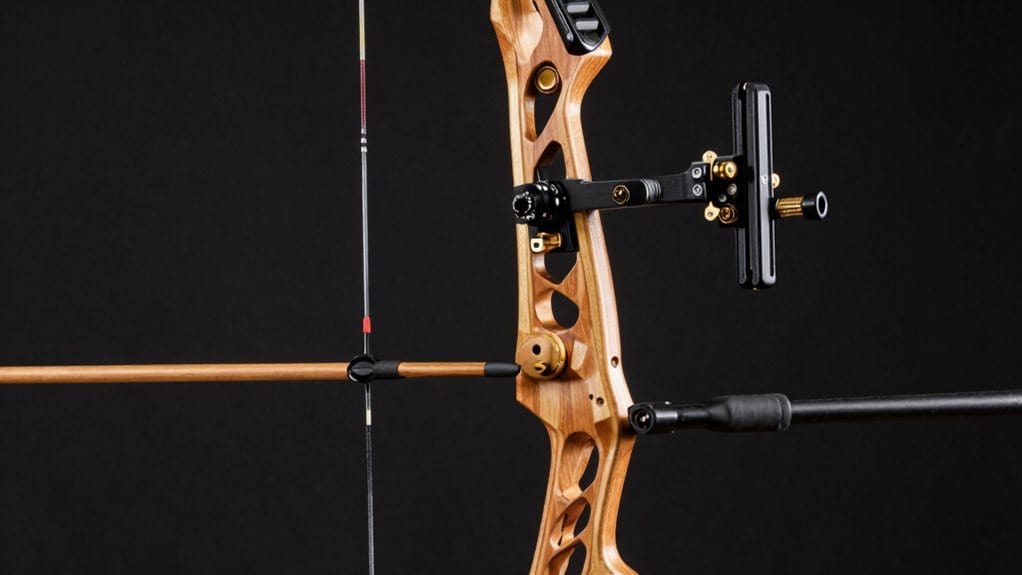
When you’re comparing recurve bows, you’ll need to evaluate five critical specifications that directly impact your shooting performance and comfort. Draw weight determines the power you can handle, while bow length affects your accuracy based on your body size and shooting style. You should also examine riser material durability, limb construction methods, and whether the bow matches your dominant hand before making your purchase.
Draw Weight Selection
Selecting your ideal draw weight stands as one of the most critical decisions in recurve bow purchasing, directly impacting your shooting accuracy, comfort, and long-term success with the equipment. You’ll want to choose a poundage you can hold steady at full draw for 10–20 seconds without form breakdown. Match weight to purpose: 20–30 lb suits youth and light practice, 30–40 lb handles general targets and small game, while 40–60+ lb delivers hunting-grade penetration. Factor in your draw length—longer draws require higher poundage for comparable arrow speeds. Start 5–10 lb below your maximum capacity to build proper technique safely. Remember that higher weights increase arrow speed and kinetic energy but demand stronger equipment, consistent form, and tolerance for greater hand shock.
Bow Length Options
Although often overlooked by first-time buyers, bow length dramatically influences your shooting performance and determines whether you’ll achieve consistent accuracy or struggle with form breakdown.
You’ll find recurves ranging from 58 to 70 inches. Match yours to your draw length—choose a bow at least 8–10 inches longer than your draw to prevent string slap and guarantee proper arrow clearance. If you’re drawing over 30 inches, you’ll need 62–64 inches minimum.
Longer bows stabilize better and soften draw curves, making heavy poundages manageable. They’re ideal for target shooting. Shorter models (58–60 inches) excel in hunting scenarios and tight spaces but produce more hand shock.
Consider storage needs: takedown bows travel easily, while fixed-length designs offer maximum stability. Your height, draw length, and intended use should drive this decision.
Riser Material Quality
The material in your bow’s riser controls everything from shot consistency to how many arrows you can comfortably shoot before fatigue sets in. Hardwood risers—maple or walnut—deliver stability through weight but can strain your arm during long sessions. Laminated and composite options cut ounces without sacrificing stiffness, making them ideal for tournaments or travel. Prioritize high-modulus materials like carbon composites if you want minimal hand shock and tighter groupings. Check environmental resistance: solid woods warp under humidity shifts unless properly sealed, while fiberglass-reinforced laminates hold geometry in changing conditions. Examine machining quality—rounded, well-sanded surfaces guarantee repeatable hand placement. Finally, verify the riser includes threaded bushings for sights, stabilizers, and plungers; metal inserts and well-laminated construction support accessories far better than bare wood.
Limb Construction Technology
While your riser anchors the bow, limbs determine what happens the instant you release. Fiberglass-laminated limbs built around maple or bamboo cores deliver the best blend of flex and strength for consistent energy transfer. Check whether manufacturers use German parallel laminates or traditional layups—parallel construction typically offers faster recovery and better delamination resistance.
Look for reinforced or glass-over tips if you’re shooting high draw weights or fast-flight strings; these prevent tip failure at the nock point. Core material matters for feel: wood cores provide smoother shots with better vibration damping, while foam or carbon cores reduce weight and increase speed.
Always verify limb compatibility with your preferred string type—Dacron versus Fast Flight—and confirm the rated draw-weight range matches your shooting needs.
Hand Orientation Compatibility
Before you compare draw weights or limb materials, you’ll need to lock in the most fundamental decision: whether you’re shooting right-handed or left-handed. Your drawing hand determines everything—right-hand shooters hold the bow left and draw right, vice versa for lefties. Every bow is explicitly labeled because risers, arrow rests, and mounting points aren’t reversible.
If you’re ambidextrous, test both orientations before buying. Accuracy and comfort vary considerably between configurations.
For takedown models, verify limbs and risers match your hand orientation and that bushings align correctly with your draw side. When comparing used bows or aftermarket accessories like sights and quivers, confirm component compatibility upfront. Mismatched orientation requires expensive modifications and compromises performance. Choose your handed configuration first—it dictates which models you’ll actually evaluate.
Takedown Vs Fixed Design
Once you’ve settled your hand orientation, construction format becomes your next filter: takedown or fixed. Takedown recurves disassemble into riser and limbs, collapsing into compact cases for storage and travel. You’ll also gain modularity—swap limbs to adjust poundage as you progress without buying another bow. Fixed one-piece designs counter with superior intrinsic alignment and fewer vibrations since no fittings interrupt limb-to-riser continuity. They’re simpler, more durable, and require less maintenance because fewer connection points means less wear over time.
Choose takedown if portability and upgradeability matter; they’re beginner-friendly and adapt as your skill grows. Opt for fixed if you prioritize consistency and a no-compromise, purist setup. Your shooting goals and storage constraints will determine which construction format delivers better long-term value.
Accessory Mounting Capability
Examine your riser closely for pre-installed threaded bushings—brass or steel inserts drilled into the metal or wood that accept standard mounting hardware. These bushings let you attach sights, stabilizers, quivers, and plungers without drilling or modifications. Verify the riser includes adequate weight-bearing reinforcement at mount points so accessories won’t loosen or damage wood under repeated use.
Check that mounting hole spacing and thread sizes match industry standards: 3/8″-16 for stabilizers, M6 or 10-32 for sight hardware. This guarantees aftermarket accessories fit properly. If you’re choosing a takedown bow, confirm mounts remain stable and repeatable through repeated assembly and disassembly.
Prioritize risers offering multiple mounting options—threaded bushings plus accessory rails or secondary holes—to accommodate future upgrades like tuners, rests, or bow-fishing attachments without limiting your configuration choices.
Skill Level Appropriateness
Matching your bow to your current ability prevents frustration and accelerates improvement far more effectively than stretching into equipment you’re not ready to handle. If you’re beginning, prioritize bows offering 20–30 lb draw weights to master form without risking injury. Intermediate archers should target 30–45 lb models that balance technique refinement with practical hunting power and arrow speed. Advanced shooters need 45 lb-plus configurations customized to their purpose—target competitors benefit from consistent, fatigue-resistant setups, while hunters require penetration-focused kinetic energy. Takedown designs with interchangeable limbs deliver exceptional value by growing with your strength progression without requiring complete bow replacement. Additionally, match bow length to your draw length and frame: taller archers shooting 62″+ bows experience smoother releases as skills advance, optimizing both accuracy and shooting comfort.
Frequently Asked Questions
How Often Should I Replace My Recurve Bow String?
You’ll need to replace your recurve bow string every 2-3 years with regular use, or sooner if you notice fraying, separation, or serving damage. Higher-quality strings last longer, so investing in premium options saves you money long-term.
Can I Use a Recurve Bow for Both Target Practice and Hunting?
Yes, you can use one recurve bow for both activities. However, you’ll want higher draw weights (40-50+ lbs) for hunting, while lighter weights work for target practice. Consider buying a bow with interchangeable limbs for versatility.
What Is the Ideal Draw Weight for Beginner Archers?
For beginner archers, you’ll want to start with 15-20 pounds for women and 20-25 pounds for men. This range lets you perfect proper form without straining muscles, and you can upgrade to heavier draw weights as you progress.
Do I Need a License to Own a Recurve Bow?
You don’t need a license to own a recurve bow in most U.S. states. However, you’ll want to check your local regulations before purchasing, as some cities impose restrictions on bow ownership and usage within their jurisdictions.
How Do I Properly Store My Recurve Bow When Not in Use?
Store your recurve bow unstrung in a cool, dry place away from direct sunlight. You’ll want to hang it horizontally or lay it flat to prevent limb warping. Consider a padded case for better protection during storage.
Final Note
You’ve explored five top-tier recurve bows, each offering distinct advantages for your shooting style. Whether you’re prioritizing the Spyder’s adjustable draw weight, the Sage’s proven reliability, or TOPARCHERY’s complete set, you’ll find what matches your needs. Compare the Obert’s power against Shatterproof’s noise-dampening features. Don’t forget those key factors—draw weight, bow length, and takedown capability matter. Now it’s time to lift your archery experience and deliver consistent performance.


