
You can enjoy the outdoors while protecting it by following seven simple Leave No Trace principles. Plan your trip, stick to trails, and camp on durable surfaces 200 feet from water. Pack out all trash, leftover food, and litter—even apple cores. Leave rocks, plants, and artifacts where they are. Use established fire rings, keep fires small, and burn only downed wood. Watch wildlife from a distance, keep pets leashed, and give others space and quiet. Small choices add up, and there’s more to learn about doing your part.
TLDR
- Follow seven simple rules to protect nature, like staying on trails and packing out trash, so outdoor spaces stay clean and safe for wildlife.
- Plan your trip by checking weather, packing essentials, and sharing your route to stay safe and reduce environmental impact.
- Stick to durable surfaces like rock or established campsites, and camp at least 200 feet from water to protect ecosystems.
- Pack out all trash, including food scraps and toilet paper, and bury human waste properly to keep nature clean and wildlife wild.
- Use camp stoves instead of fires, respect wildlife by keeping your distance, and keep pets leashed to minimize your footprint.
What Is Leave No Trace (And Why It Matters)
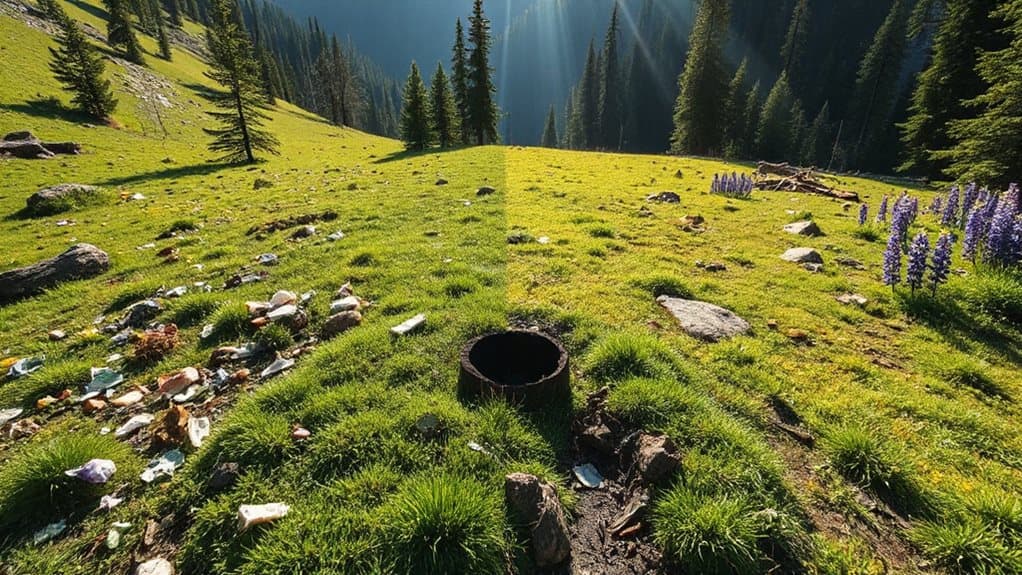
Exploring the outdoors comes with a responsibility we all share—protecting the natural places you love. Leave No Trace helps you do that, using seven science-backed principles to minimize your impact. Packing lightly and using reusable gear are simple ways to reduce waste and energy use on any trip.
It matters because even small actions, like straying off-trail or leaving trash, add up—damaging ecosystems, disturbing wildlife, and degrading experiences for others who follow. The program’s guidance evolved through decades of research and collaboration among federal agencies, culminating in the 1994 formation of the Leave No Trace Center for Outdoor Ethics.
Plan Ahead: Your First Leave No Trace Step
Getting ready for your outdoor expedition starts long before you hit the trail—and doing it right sets the foundation for a safe, enjoyable trip that leaves nature undisturbed. You’ll want to research permits, trail rules, and weather, pack the 10 essentials, and share your plans with someone you trust.
Planning means you stay free to discover, without harming the wild places you love. Consider bringing a reliable portable charger so you can keep navigation and emergency devices powered throughout your trip.
Stick to Trails to Protect Plants and Soil
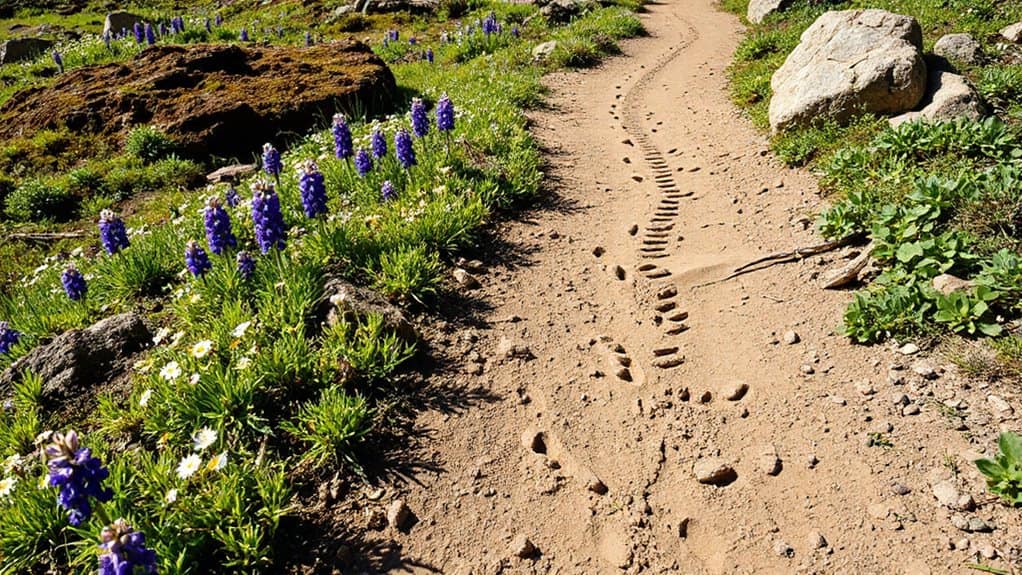
Now that you’ve done your homework and set out with a solid plan, it’s time to hit the trail—where your next move matters more than you might think.
Stick to existing paths to protect plants and soil, avoid shortcuts, and walk single file, even in mud. This keeps damage low, prevents erosion, and preserves fragile crusts.
In pristine spots, spread out and move camp daily. Be sure to follow Leave No Trace principles to minimize your impact and protect the environment.
Camp on Durable Surfaces, 200 Feet From Water
Choose durable surfaces like rock, gravel, or dry grass for your campsite, and remember to set up at least 200 feet from lakes and streams to protect water quality.
Stick to established sites when you can, and keep your impact low by avoiding vegetation and not altering the site. This simple step helps preserve the environment and guarantees others can enjoy a clean, natural space too.
Also, plan ahead and prepare for weather and emergencies by traveling in small groups and repackaging food to reduce waste, which helps minimize your overall impact and keeps everyone safer plan ahead.
Camp In Designated Areas
Most of the time, the best campsite is already there waiting for you—so stick to durable surfaces like designated campsites, rock, gravel, or dry grass, and set up at least 200 feet from lakes and streams to protect fragile shoreline ecosystems.
Use existing tent pads, keep your site small, and avoid altering the land.
Leave it clean, natural, and ready for the next explorer.
Stay Away From Water
You’ll usually find that setting up camp at least 200 feet from lakes, streams, and springs makes a real difference in protecting both the environment and your wilderness experience.
Keep wastewater, food scraps, and human waste far from water sources to prevent contamination. Carry water for washing, use biodegradable soap sparingly, and pack out toilet paper.
This distance also protects wildlife and keeps your camp clean, safe, and low-impact.
Minimize Site Impact
Keeping water sources protected goes hand in hand with how and where you set up camp, so it’s worth paying close attention to the surfaces you use.
Camp on rock, gravel, or dry grass, never on fragile soil or vegetation. Stay 200 feet from lakes and streams, and use existing sites when possible. Concentrate your impact in one spot, avoid altering the site, and wear soft shoes to reduce damage.
Pack Out All Trash, Food, and Litter
You pack it in, so you pack it out—that includes every scrap of trash, leftover food, and litter, no exceptions.
Even fruit peels, cigarette butts, and hygiene items like toilet paper must come with you, since they don’t break down quickly or attract wildlife.
Camp at designated sites to protect nature and reduce impact on vegetation and animal homes, as recommended by Leave No Trace campsite selection.
Pack It In, Pack It Out
Leave nothing behind but footprints—pack out every scrap of trash, food, and litter you bring into the wild.
You’re responsible for carrying out all waste, including food scraps, toilet paper, and leftover trash.
Don’t burn or bury it; that harms nature and wildlife.
Inspect your campsite, use trash bags, and repackage food ahead of time.
Keep nature pristine—your choices protect the freedom to discover.
Leftover Food Needs a Ride Home
Bringing home what you pack in isn’t just a rule—it’s a responsibility that protects wildlife and preserves the wild places you love.
You must pack out all leftover food, even apple cores or orange peels—they don’t belong here.
Grease, scraps, and dishwater strainer gunk attract animals, changing their behavior.
Carry everything out, inspect your site, and leave it cleaner than you found it.
Litter Has No Place Outdoors
Picking up after yourself isn’t just common courtesy—it’s a critical step in protecting the outdoors you enjoy.
You see over 2,000 litter items per mile on roadways, mostly plastics and cigarette butts.
Even orange peels and snack wrappers don’t vanish quickly.
Pack out everything, including micro-trash, using extra bags.
Leave each place cleaner than you found it—because freedom means responsibility, not leaving traces for others to clean up.
Bury Human Waste 6–8 Inches Deep
Dig a hole 6 to 8 inches deep—about the length of a hand trowel—and you’ll be following the most widely recommended method for disposing of human waste in the backcountry.
Bury it well, cover with soil, and disguise the spot using leaves or twigs.
Keep it 200 feet from water, camp, and trails.
Pack out toilet paper or use natural options—never burn it.
Leave Rocks, Plants, and Artifacts Undisturbed

You help protect ecosystems and history when you leave rocks, plants, and artifacts just as you find them. These natural and cultural features provide essential benefits to wildlife, support plant life, and preserve stories from the past that belong to everyone.
Instead of taking something home, take a photo or make a sketch—you’ll keep the place intact for others while still remembering your experience.
Leave Nature As Is
While exploring the outdoors, remember that every rock, plant, and artifact plays a vital role in the ecosystem and tells a part of the terrain’s story.
You help preserve natural balance by leaving items undisturbed, protecting fragile habitats, and respecting cultural heritage. Avoid picking, moving, or building with natural objects. Instead, take photos, sketch in a journal, or use a field guide—simple acts that let nature thrive and others uncover its wonders too.
Preserve The Past
Respect for the past begins with restraint—what you leave behind, undisturbed, often matters more than what you take away.
Examine artifacts and structures without touching, as removing them violates the Archaeological Resources Protection Act.
Leave pot shards, arrowheads, and bottles where you find them.
Avoid altering sites or taking natural objects.
Preserve history and nature so others can uncover them too.
Use Existing Fire Rings, Burn Small Wood Only
Always start your campfire the responsible way—by using established fire rings whenever you’re in a designated campsite.
Keep fires small, burn only hand-broken sticks from the ground, and never cut live trees.
Use local firewood, extinguish flames completely with water, and scatter cool ashes.
Choose a stove when possible, and skip fires in fragile areas like deserts or alpine zones.
Observe Wildlife From a Distance
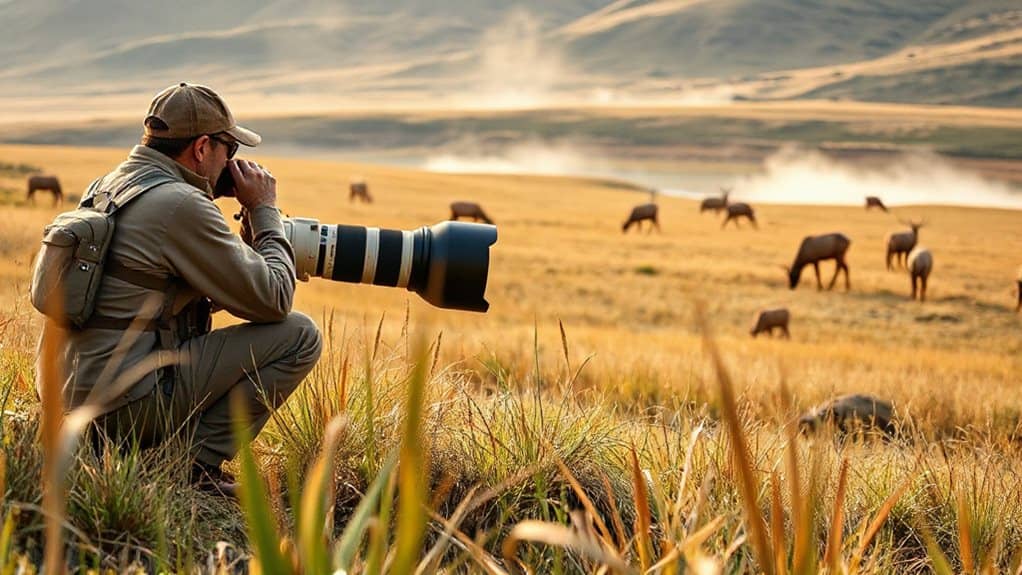
After enjoying a campfire the right way—keeping it small, contained, and eco-friendly—you’re all set to uncover another key part of responsible outdoor travel: watching wildlife the right way.
Keep 25 yards from most animals, 100 from bears or wolves. Use binoculars, stay quiet, and back away if they react. Never feed or approach them.
Let animals be wild—observe from afar, respect their space, and protect their home.
Respect Other Visitors With Quiet and Space
Out on the trail or tucked into a campsite, you’re sharing the wilderness with others who came for peace, scenery, and a break from the everyday. Keep your voice down, use headphones for music, and avoid loud devices.
Yield to others politely, camp away from trails and water, and leash your pet. Giving space and quiet shows respect—helping everyone enjoy nature freely, undisturbed.
Final Note
You’ve got the tools to make a real difference. By following these principles, you protect nature for wildlife and future visitors. Plan ahead, stay on trails, pack out what you bring, and leave everything as you found it. Small choices add up—your care keeps wild places healthy, beautiful, and accessible for everyone who comes after you.


