
Most blisters heal in 1–2 weeks if left alone, though foot or hand blisters can take up to 6 weeks due to pressure and thicker skin. You’ll see fluid reabsorb within days, new pink skin form underneath, and mild peeling as healing finishes. Avoid popping, keep the area clean and covered, and let your body do the work. Proper care prevents infection and supports faster recovery—stick with it, and you’ll see clear progress. There’s more to know about each healing stage.
TLDR
- Most blisters heal in 1–2 weeks, with fluid reabsorbing within a few days if the skin remains intact.
- Ruptured blisters typically heal in 7–10 days when kept clean and covered with proper care.
- Foot and hand blisters may take up to 6 weeks to fully heal due to thicker, weight-bearing skin.
- Healing signs include fading redness, reduced tenderness, and new pink skin forming under shedding layers.
- Blood or large blisters heal slower; seek medical advice if infection signs like pus or fever appear.
How Long Do Blisters Take to Heal?
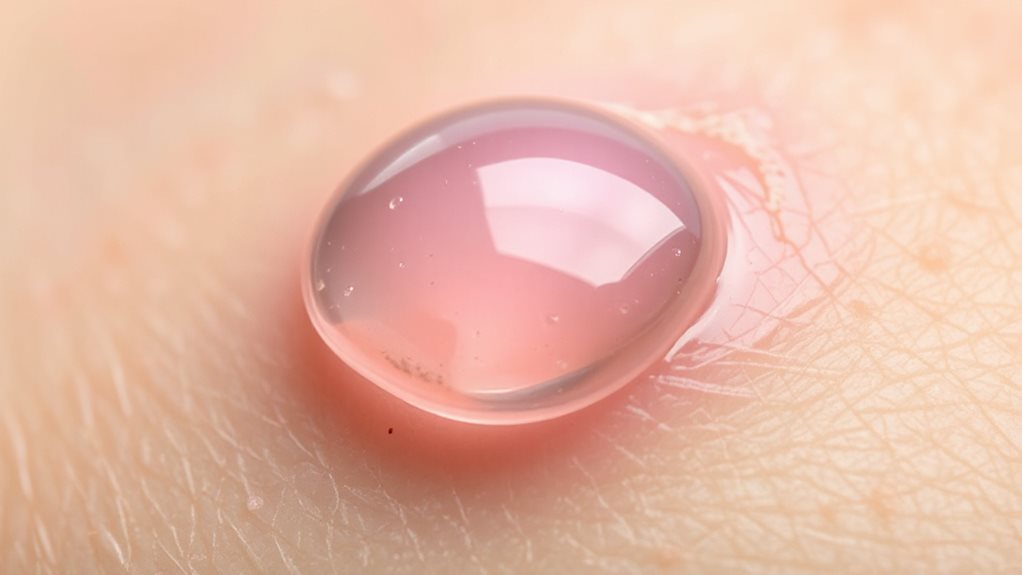
Most of the time, your blisters heal on their own within a week or two, especially when you leave them intact.
Fluid reabsorbs in a few days, and healing speeds up with protection. Ruptured ones may take 7–10 days with proper care, like hydrocolloid plasters.
Weight-bearing areas? They’ll need more time.
Keep it clean, covered, and let your body do its thing—fast, natural recovery is already on the way.
Complete healing of blisters on the feet or hands may take up to 6 weeks due to the thickness and slower turnover of plantar and palmar skin.
Consider using antibacterial creams to reduce infection risk and support healing.
What Happens When a Blister Starts to Heal?
When your skin suffers friction or damage, your body jumps into action right away, forming a blister to protect the area and kickstart healing.
Fluid builds under the skin, cushioning the wound as new cells regenerate.
White blood cells fight infection, while collagen forms a scaffold for repair.
Over days, fluid reabsorbs, new skin grows, and the top layer peels—your body’s natural healing, working quietly, efficiently, beneath the surface.
Keeping the area clean and covered helps prevent infection and supports proper healing.
Days 1–7: What to Expect as Healing Begins?
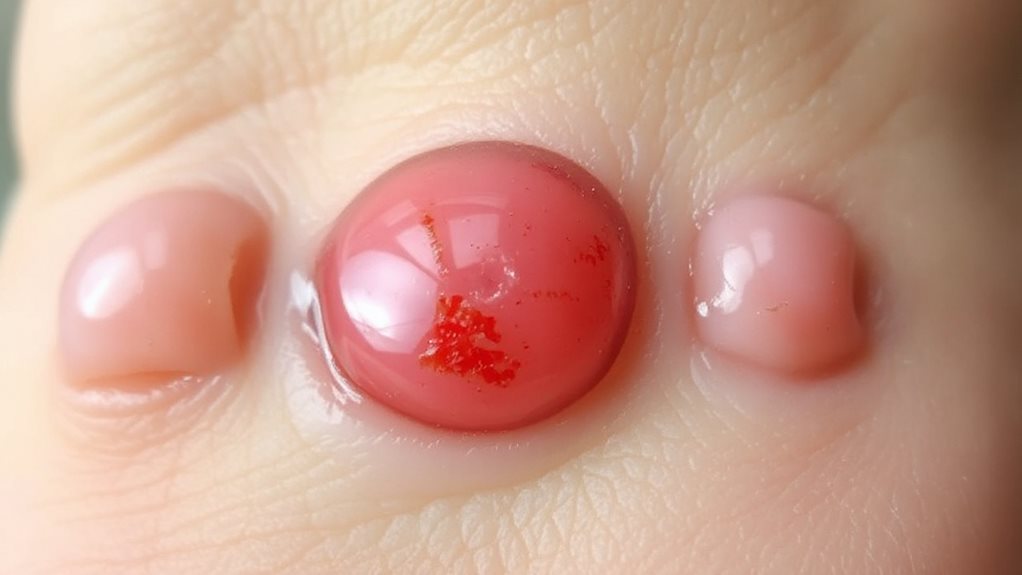
Right after the injury, fluid quickly gathers under your skin, forming a cushion that protects the damaged tissue and kicks off healing. You’ll notice tenderness right away, but keeping the blister intact and avoiding more friction helps your skin start repairing itself within hours.
Over the next few days, the body begins reabsorbing the fluid, especially if you keep the area clean and covered.
Fluid Accumulation Begins
Feel that bubble forming? Fluid fills the blister within 30 minutes of injury, peaking later on day one if friction stops. A small amount is normal with mild damage.
This fluid cushions the area, protecting delicate tissue as healing starts. Keep the roof intact—it shields the site, reduces weepiness, and supports natural reabsorption over the next few days.
Skin Repair Initiates
Healing kicks in as soon as the friction stops and your body gets to work repairing the damage.
You’ll notice fluid stabilizing within hours, cushioning tissue and protecting it from further harm.
Over days 1–7, reabsorption begins, new skin forms underneath, and the blister roof starts to adhere again.
Keep the area clean and covered—this supports natural repair without slowing you down.
When Does New Skin Start to Form?
New skin starts forming once the fluid in your blister begins to reabsorb, usually within 1–2 days for intact blisters or 3–7 days if it’s open.
You’ll notice fresh skin growing underneath, especially if you keep the area protected with a hydrocolloid dressing, which speeds up coverage of the wound base.
Healing typically takes 7–10 days for superficial blisters, though deeper damage on weight-bearing spots like soles or palms may take longer.
New Skin Development Begins
While your blister may look quiet on the outside, beneath the surface things are already shifting—new skin begins forming just days after the injury.
By day two, your body starts reabsorbing fluid, and fresh skin grows underneath.
Blood flow returns, collagen builds, and though it’s fragile at first, this new layer steadily strengthens, setting the stage for full recovery—naturally, on your terms.
Healing Timeline For Regrowth
You’ve already seen how your body kicks into gear right after a blister forms, laying down fresh tissue beneath the surface within just a couple of days.
Intact blisters flatten as fluid reabsorbs in 1–2 days, with healing done in 7–14 days.
Deroofed blisters take 7–10 days with protection, but full thickness may not fully restore even by 47 days.
Protection Promotes Faster Recovery
Most of the time, protecting a blister—whether it’s still intact or has already broken—makes a real difference in how quickly new skin forms and the area heals.
Use hydrocolloid plasters to lock in moisture, reduce weepiness in three days, and speed recovery.
Keep the roof intact when possible, change dressings daily, and let your skin regenerate without infection or added friction slowing it down.
What’s the Normal Healing Time for a Blister?
Typically, a blister heals on its own within a week to two weeks, depending on its size and location. If it’s minor, you might see healing in just a few days.
Most intact blisters flatten within days as fluid reabsorbs, and new skin forms beneath. With proper care, full recovery takes 2–3 weeks—though complete healing can take up to six.
Why Do Blood and Foot Blisters Heal Slower?
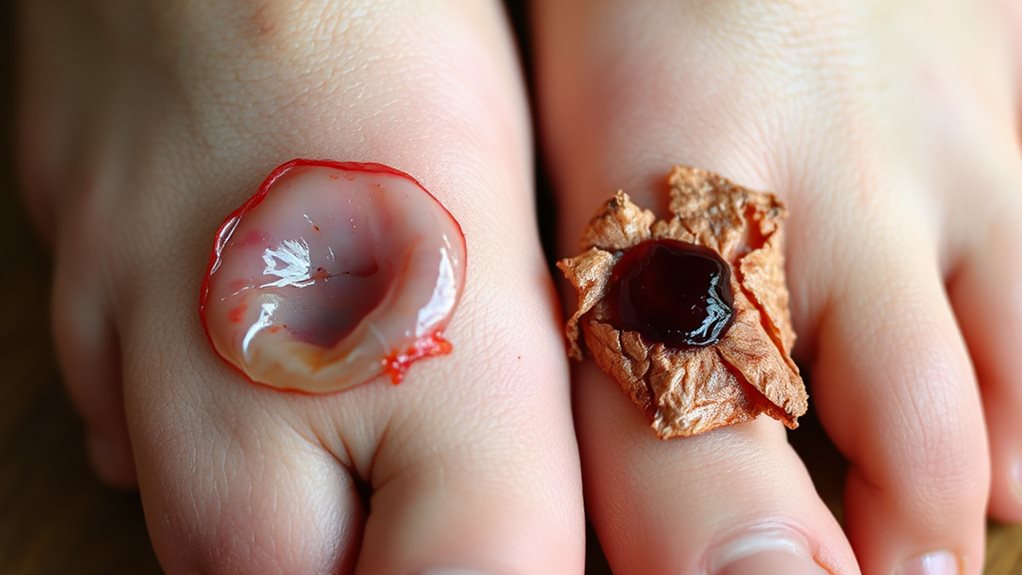
While most blisters heal within a week or two, blood blisters and those on your feet often take longer due to added complications.
Your body reabsorbs trapped blood slowly, and foot movement, pressure, or friction delays healing. Larger, deeper blisters or underlying health issues like poor circulation can extend recovery.
Avoid popping them—keeping the area clean and protected helps you heal faster, safely, and on your own terms.
If you experience trauma to the area, seek a professional inspection to rule out deeper damage or complications.
Do Blister Plasters Speed Up Healing?
You’ve probably wondered whether slapping on a blister plaster actually helps or just masks the pain—and the good news is, it does much more than cushion your skin.
It speeds healing by locking in moisture, letting your body repair tissue faster than if left to dry out.
The gel absorbs fluid, reduces friction, and seals out dirt, so you keep moving without worry.
How to Tell If Your Blister Is Healing or Infected
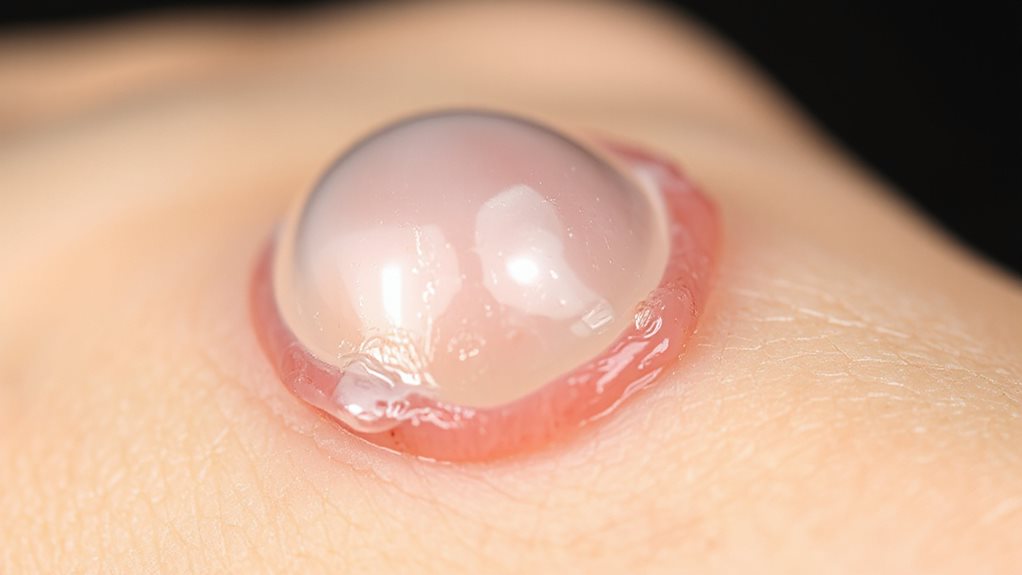
You can tell your blister is healing well if the fluid slowly disappears within a few days, the roof stays intact, and new skin forms underneath.
Watch for warning signs like lasting redness, swelling, or yellowish discoloration, which could mean infection.
Keep it covered, avoid popping it, and check the area daily so you catch any issues early.
Signs Of Proper Healing
As your blister begins to heal, you’ll notice clear signs that the body’s natural repair process is underway.
Fluid reabsorbs within days, redness fades, and tenderness decreases.
You’ll see new pink skin forming, the blister drying, and the roof peeling off naturally.
Itching may occur as scabbing starts—this is normal.
With time, strength returns, and daily activities resume without pain.
Warning Signs Of Infection
While most blisters heal without trouble, it’s important to know when something’s gone wrong—because an infected blister can quickly become more serious if left unchecked.
Watch for increasing pain, swelling, or redness, especially if the fluid turns cloudy or pus-filled.
Crusting, foul odor, or red streaks are red flags.
If you feel feverish, chilled, or unwell, seek care fast—early action keeps you in control and prevents complications like cellulitis or sepsis.
Science-Backed Ways to Speed Blister Healing
Speed up your blister’s recovery with science-backed strategies that support your body’s natural healing process. Eat colorful fruits, lean protein, and stay hydrated while avoiding excess sugar.
Use aloe vera or diluted tea tree oil, keep the area covered and clean, and retain skin flaps. Don’t pop—let your body heal.
Rest, reduce friction, and sleep well to enhance recovery, naturally. Repeated rubbing can lead to a callus forming, so protect the area to prevent further skin damage.
What’s Normal in the Final Healing Stages?
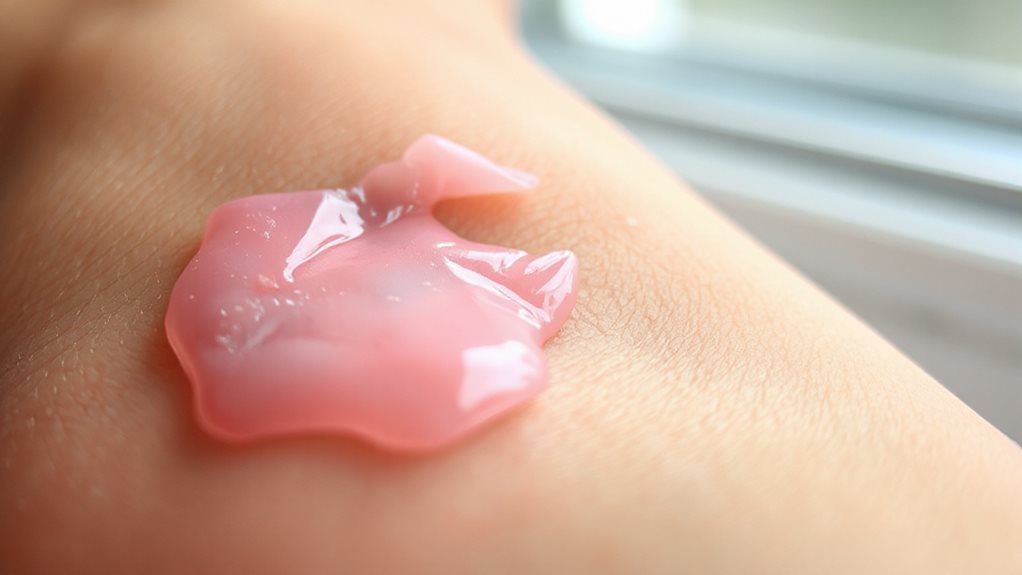
Once the initial discomfort fades, you’ll start noticing clear signs that your blister is entering the final phases of healing.
You’ll see the scab peel off, dead skin shed, and new pink skin emerge.
By day 47, shedding finishes, though weight-bearing areas may take longer.
Mild peeling and slight redness are normal—your body’s finishing the job, no intervention needed.
Ticks can transmit diseases even from bites that are often painless and unnoticed, so monitor any nearby redness or swelling.
Final Note
You now know how blisters heal and what to expect each day. Most heal in 3 to 7 days with proper care, and blister plasters can help protect the area, reduce pain, and support faster recovery. Keep the blister clean, avoid popping it, and watch for signs of infection. By following science-backed steps, you’ll promote healthy healing—giving your skin the best chance to recover quickly and safely.


