
You enhance your child’s focus, mood, and creativity just by stepping outside together. Try nature scavenger hunts, backyard obstacle courses, or chalk games that mix learning with movement. Build forts, investigate edible gardens with safe, touch-and-taste plants, or turn parks into expedition zones with ropes and tunnels. Water play and cooperative games build teamwork and joy. These screen-free activities keep kids engaged, active, and curious—discover how simple changes create lasting outdoor habits.
TLDR
- Unstructured outdoor play boosts focus, mood, and learning while naturally reducing screen time.
- Nature scavenger hunts engage kids’ senses and curiosity, encouraging exploration and active play.
- Backyard obstacle courses build motor skills and teamwork using simple, DIY materials.
- Sensory gardens with touchable plants like lavender and mint invite safe, hands-on discovery.
- Cooperative games like Steeplechase and outdoor campouts foster laughter, trust, and joyful movement.
Why Kids Need More Outdoor Play (And Why They Resist Screens)
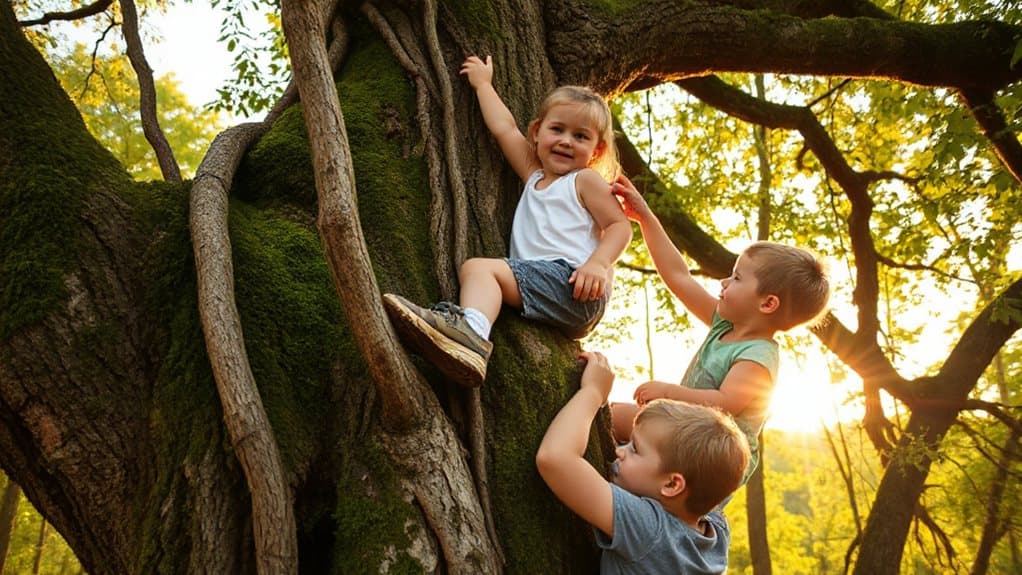
While screens may offer quick entertainment, they can’t match the lasting benefits your child gains from playing outside.
You see real growth in focus, mood, and learning through outdoor play. It enhances brain function, social skills, and physical health. Kids resist screens less when nature feels just as engaging, so you can help them uncover that freedom moves, breathes, and grows. Unstructured outdoor play is linked to improved executive function and on-task behaviour in early childhood. Camping on durable surfaces and following simple outdoor ethics helps preserve the places where children can safely explore and learn.
Nature Scavenger Hunts That Spark Curiosity and Movement
You can turn any outdoor space into an exploration with a Nature Discovery Walk, where kids use their senses to find something green and soft or listen for bird calls.
Try a Creative Find And Seek by giving simple clues like “look for a round, smooth rock” to enhance observation and problem-solving skills.
These hunts keep children moving, thinking, and connecting with nature in a fun, structured way.
Include a simple Color Hunt to encourage observation of bright colors and enhance sensory experiences.
Nature Discovery Walk
What if a simple walk in the woods could turn into an exciting mission that sharpens your child’s mind and body?
You’ll enhance focus, memory, and problem-solving as they spot patterns, identify shapes, and solve nature riddles.
It builds coordination, encourages teamwork, and reduces stress—no screens needed.
With each step, they gain confidence, curiosity, and a deeper connection to the outdoors, all while moving freely and learning naturally.
Creative Find And Seek
Turn that same sense of wonder from your nature exploration walk into an interactive game with a Creative Find and Seek scavenger hunt, where curiosity leads the way and every clue gets kids moving.
You’ll enhance problem-solving, physical activity, and teamwork while sharpening focus and creativity.
Customize hunts by theme or skill level, using nature’s objects to inspire hands-on learning—no screens needed, just freedom to investigate and uncover together.
Build a Backyard Obstacle Course for Active Play
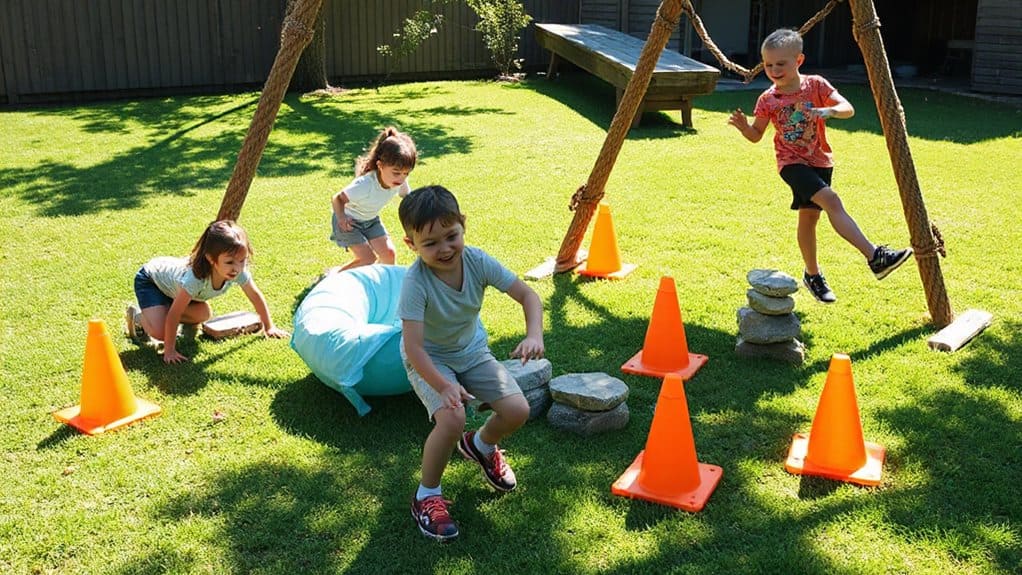
Bring the fun outside by building a backyard obstacle course that keeps kids moving, laughing, and developing key motor skills—all in your own yard.
Use old tires for a balance run, add a wooden beam for walking challenges, and set up low barriers with PVC pipes.
Include tunnels, rope swings, and stepping stones to enhance coordination.
Make sure structures support weight, use galvanized materials for durability, and space obstacles safely to encourage freedom of movement while promoting physical development.
For added entertainment and social interaction, consider incorporating simple group games like scavenger hunts to explore the course together and boost teamwork.
Creative Chalk Games for Driveway Fun
After setting up a sturdy backyard obstacle course that gets kids climbing, balancing, and leaping with confidence, you can keep the active play going—no equipment required—by turning your driveway into a colorful playground with chalk.
Draw hopscotch grids, math bullseyes, or scavenger hunt circles to blend movement with learning. Use colored chalk for visual cues, add number or shape challenges, and let kids toss, jump, and solve their way through skill-building games that spark joy and independence. Try pairing chalk games with scavenger hunt challenges to encourage teamwork and problem-solving.
Build a Backyard Fort With Simple Materials
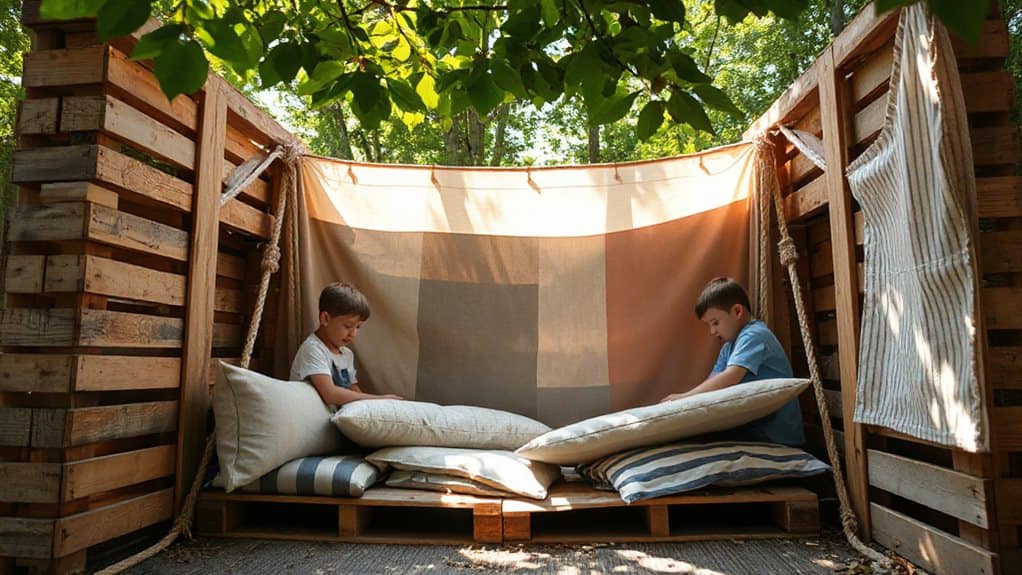
You can build a backyard fort using simple materials like sticks and silicone connectors or pre-cut panels, making it easy to get started with just a few pieces.
Choose flexible systems like Stick-lets or Make-A-Fort kits, which offer durable, weather-resistant parts that snap together securely.
Whether you’re crafting a castle from branches or a space station from colorful panels, these builds encourage creativity while staying safe and stable on flat ground.
Store materials indoors when not in use to protect them from UV damage and moisture, which helps prolong their lifespan and keeps pieces ready for the next build; consider keeping them in a cool, dry place and off the ground to avoid mold and warping store indoors.
Backyard Fort Basics
Get started on your backyard fort by setting a solid foundation that’ll keep the structure safe and stable for years to come.
Dig 3-4 foot holes, add gravel, then set pressure-treated 4×4 posts.
Use braces and a level to keep them plumb, then pour concrete.
Let it cure before building upward—this guarantees strength, safety, and freedom to design your ideal play space without limits.
Simple Materials Needed
While you might think building a backyard fort requires special tools or expensive supplies, the truth is that simple, everyday materials can create a sturdy and imaginative play space.
Use sheets, tarps, or drop cloths as walls, secured with clothespins or rope. Lean bamboo poles against trees, or drape fabrics over chairs.
Repurpose curtains, blankets, or cardboard boxes—combine household items freely, and let creativity shape your unique outdoor hideout.
Creative Design Ideas
A backyard fort isn’t just a shelter made of spare wood and fabric—it’s a launchpad for imagination, and with a few simple upgrades, it can become something truly special.
Build raised forts with slatted decks, add climbing walls or a fire pole, and include castle turrets or secret passageways. Use reclaimed wood overhangs for shade, and incorporate round Spanish cedar doors for charm. Let yard contours guide net routes or slides, and always size platforms safely—keeping post depth in mind.
Host a Backyard Campout Under the Stars
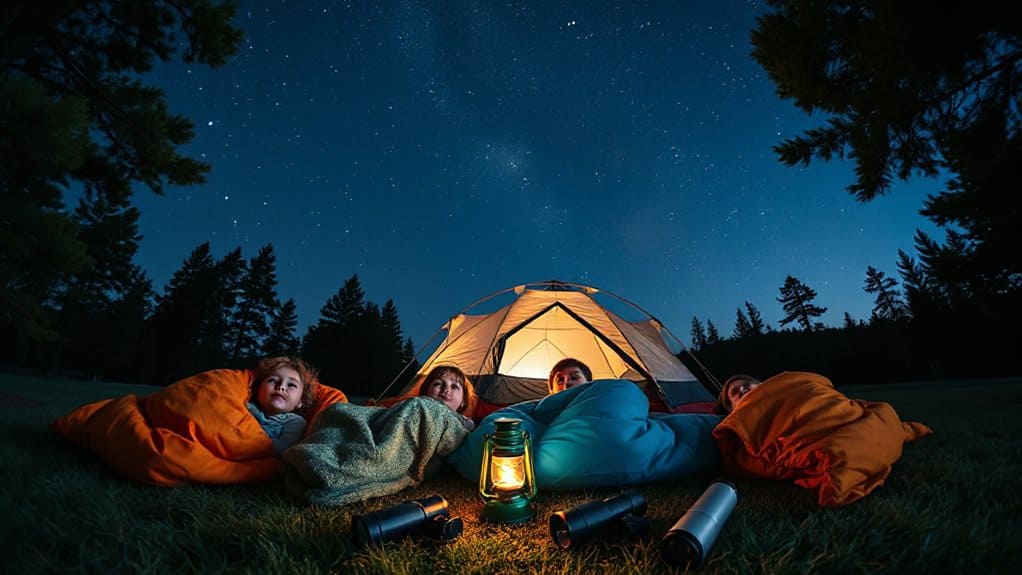
You’ll want to start by picking the perfect spot in your yard—somewhere flat, clear of obstacles like sprinklers or tree roots, and away from heavy foot traffic—so your tent stays secure and comfortable all night long.
Pitch it on grass, a deck, or patio, using stakes or heavy objects to anchor it. Layer in sleeping pads, air mattresses, and cozy blankets for comfort.
Set up string lights, lanterns, or LED candles for a warm glow, and keep a fire pit—or propane alternative—safe with water nearby.
Invite kids to discover with flashlights, chase fireflies, or stargaze using binoculars and sky apps.
Add themed fun like glow-in-the-dark stars or treasure hunts, and let them craft lanterns or bracelets.
With low-voltage path lights and bug spray, your campout becomes a safe, memorable excursion under the stars.
Water Games That Boost Outdoor Play in Summer
After a night under the stars, when the morning sun warms the grass and the air hums with summer energy, it’s the perfect time to shift from stargazing to splashing.
You’ll enhance outdoor play with water games kids love—swimming, water gun fights, or sliding on water.
These activities build independence, physical skills, and social connection, while keeping children safely active all summer.
5 Cooperative Outdoor Games for Teamwork and Laughter

Step into the world of cooperative outdoor games, and you’ll quickly see how simple activities can spark meaningful teamwork and genuine laughter.
You build trust and communication through games like Steeplechase or Trust Run, which take just 15 minutes. These activities enhance social skills, confidence, and empathy while keeping kids active.
You’ll notice better cooperation, stronger friendships, and joyful movement—all while learning together.
Grow a Play Garden: Fun Plants Kids Can Touch and Taste
Often, the simplest way to connect kids with nature is by creating a garden they can touch, taste, and explore with their senses.
Plant lavender and mint for soothing scents, lamb’s ear or ferns for soft textures, and snapdragons for interactive fun.
Grow strawberries, peas, or cherry tomatoes for tasty snacks.
Choose non-toxic, easy-care plants, use pots to control spread, and add water features or stones to enhance sensory engagement.
Turn Any Park Into a DIY Adventure Zone
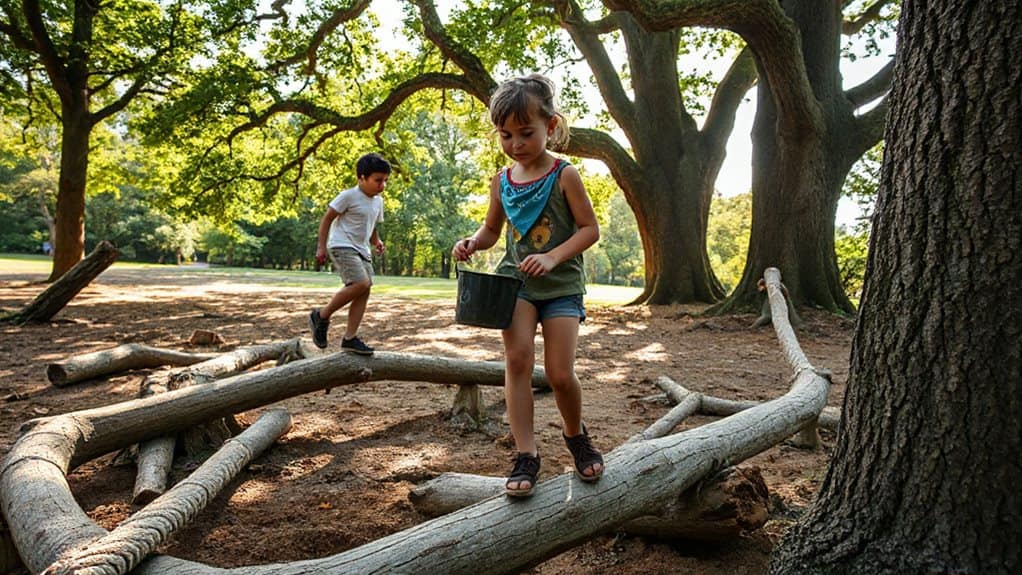
Turn your next trip to the park into an unforgettable escapade by converting ordinary green spaces into a DIY play zone that sparks movement, creativity, and exploration.
Use ropes between trees for climbing, lay out tire paths for agility, or build balance beams from logs.
Add tunnels with PVC pipes, sketch mazes with chalk, or hang swings from strong branches—simple changes that invite freedom, challenge, and outdoor fun with minimal setup and maximum imagination.
Final Note
You’ve got everything you need to get kids outside, moving, and engaged—no screens required. These simple, low-cost activities build curiosity, teamwork, and confidence while keeping fun front and center. By mixing creativity with physical play, you’re also supporting healthy development. Start small, stay consistent, and let their imaginations lead. Soon, outdoor time becomes a habit they actually enjoy, not one you have to push.


