
Your body starts healing blisters right after injury by triggering inflammation—blood vessels react, platelets form clots, and immune cells clear debris. Within hours, neutrophils and macrophages reduce damage and prep for repair. Fluid inside cushions the area, supports cell growth, and speeds reepithelialization. Keep the blister covered with a hydrocolloid or foam dressing, avoid popping it, and protect from friction. Most heal in about a week if intact, longer if broken—especially if signs of infection appear. There’s more to learn about optimizing each healing stage.
TLDR
- Blisters form when skin layers separate due to friction or injury, filling with fluid that protects underlying tissue during healing.
- The inflammatory phase starts within hours, with neutrophils and macrophages clearing debris and initiating repair within the first 5 days.
- Blister fluid, rich in proteins and growth factors, supports healing by cushioning the area and promoting skin regrowth.
- Keep blisters intact and covered with hydrocolloid or foam dressings to protect the site and speed up recovery.
- Drain only if necessary using a sterile needle, and watch for infection signs like pus, redness, or fever.
What Causes a Blister to Form?
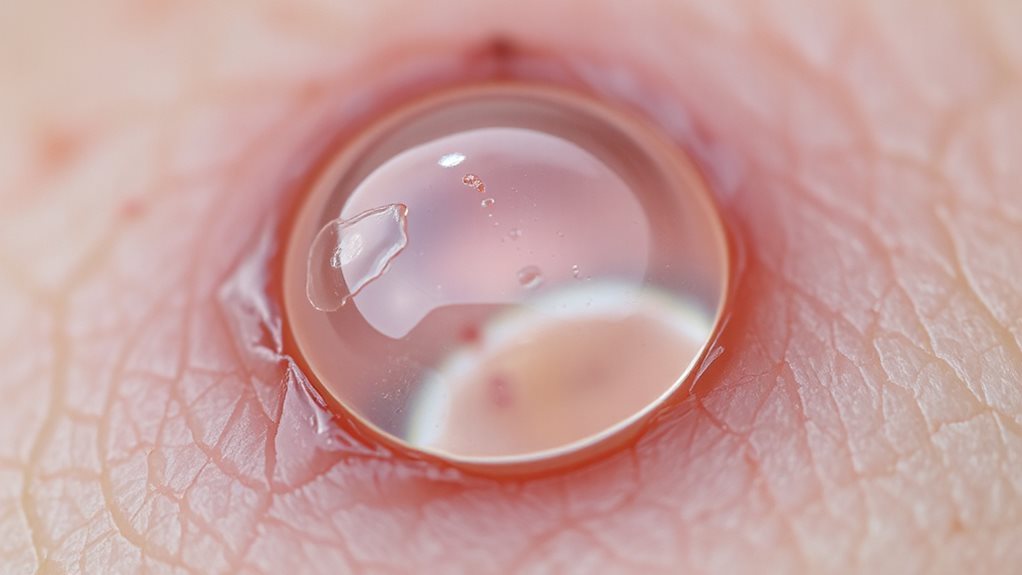
While your skin’s built to handle a lot, it can start to rebel when pushed too hard—especially when friction, heat, or allergens come into play.
You get blisters when outer skin layers separate from those underneath. Friction from ill-fitting shoes, burns, sweat, chemicals, infections, or conditions like eczema can trigger them.
Your body responds by filling the space with fluid, protecting deeper tissues as healing begins. This fluid-filled cushion forms as a result of shear stress damaging the stratum spinosum, leading to a gap that fills with plasma-like fluid to support tissue regeneration shear stress separates skin layers.
How Inflammation Affects Blister Healing
You’ll notice swelling and redness right away, but that’s your body’s way of jumpstarting healing through controlled inflammation.
The fluid in your blister isn’t just padding—it’s packed with proteins and growth factors that reduce swelling over time and help rebuild skin.
To keep things on track, avoid popping it, use aloe for mild relief, and watch for signs like increasing pain or cloudy fluid, which mean inflammation’s gone too far.
Cover blisters with adhesive bandages to protect them while healing and help prevent infection from daily cleaning.
Inflammatory Phase Timeline
Right after your skin suffers a blistering injury, the body kicks off a carefully orchestrated inflammatory response—often within the first hour—to protect the area and set the stage for healing.
Neutrophils arrive quickly, clearing debris in the first 48 hours. By day two, macrophages take over, reducing inflammation and promoting repair.
This phase peaks at 1–3 days, overlaps with early proliferation, and typically resolves within 5 days—unless healing slows, signaling a need for closer care.
Blister Fluid Impact
Because blister fluid plays a crucial role in healing, understanding its impact helps you manage blisters more effectively.
It’s rich in proteins, growth factors, and cytokines that enhance circulation, reduce infection risk, and fuel tissue repair.
The fluid cushions your skin, maintains moisture, and supports cell activity.
When intact, it acts as a natural healer—don’t drain it unless necessary.
Swelling Control Methods
While blister fluid supports healing from within, how you manage swelling around the blister plays a big part in how quickly and smoothly recovery happens.
Raise the area above your heart to cut swelling and increase circulation. Use loose, cushioned bandages with donut padding to reduce pressure. Avoid irritants, limit activity, and apply gentle anti-inflammatories like petroleum jelly or tea tree oil to keep inflammation in check.
Is Blister Fluid Helpful or Harmful?
Peering into the fluid that fills a blister might seem unappealing, but it’s actually a window into your skin’s healing process.
That fluid, mostly interstitial fluid, mirrors serum and carries amino acids, lipids, and local biomarkers.
While metabolite levels are lower, it’s rich in proteins and reflects your skin’s unique environment—helpful, not harmful.
Keeping feet dry and using properly fitted shoes can help prevent the friction that causes blisters.
How Your Body Naturally Heals Blisters
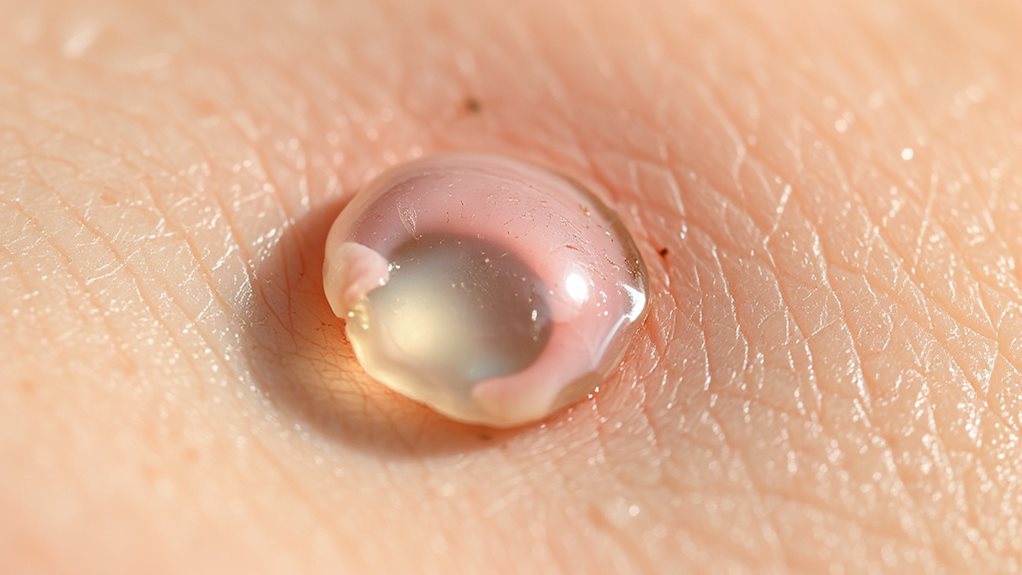
Your body kicks off healing right away by calming inflammation and guarding the area from infection, so you’ll notice less swelling as fluid gets reabsorbed.
Over the next few days, fresh skin forms underneath as your cells multiply and migrate to close the gap—this reepithelialization process is key to full recovery.
If you keep the blister covered and avoid more friction, you’re giving your skin the best shot at bouncing back quickly and smoothly.
Blisters can sometimes lead to callus formation if the area is repeatedly rubbed.
Inflammatory Phase Management
When you get a blister, your body kicks into action right away to start the healing process, beginning with the inflammatory phase—a crucial step that sets the stage for proper recovery.
Blood vessels constrict, then dilate, causing mild swelling and redness. Platelets form a clot, while immune cells rush in to clear debris. Neutrophils and macrophages clean the area, and cytokines signal repair—laying the groundwork for new tissue.
Reepithelialization Process Tracking
Healing kicks into high gear as your skin begins rebuilding itself through a carefully orchestrated process called reepithelialization. You’ll see new skin form as keratinocytes migrate from wound edges, guided by chemical signals.
They multiply and spread, creating a thin layer that thickens over time. Fibroblasts support this beneath the surface, while granulation tissue provides structure.
In days to weeks, your skin regains its protective barrier—naturally, seamlessly—giving you back full, resilient coverage without scarring if all goes well.
When Should You Pop a Blister?
While blisters might look bothersome, it’s usually best to leave them alone—popping one can do more harm than good. Keep the skin intact to protect against infection and speed healing.
But if a blister’s large, painful, or in a high-friction area, draining it carefully may help. Use a sterilized needle, keep the roof on, and cover it with a clean bandage. Professional inspection can help detect hidden damage and ensure safe recovery.
Best Dressings for Blister Healing
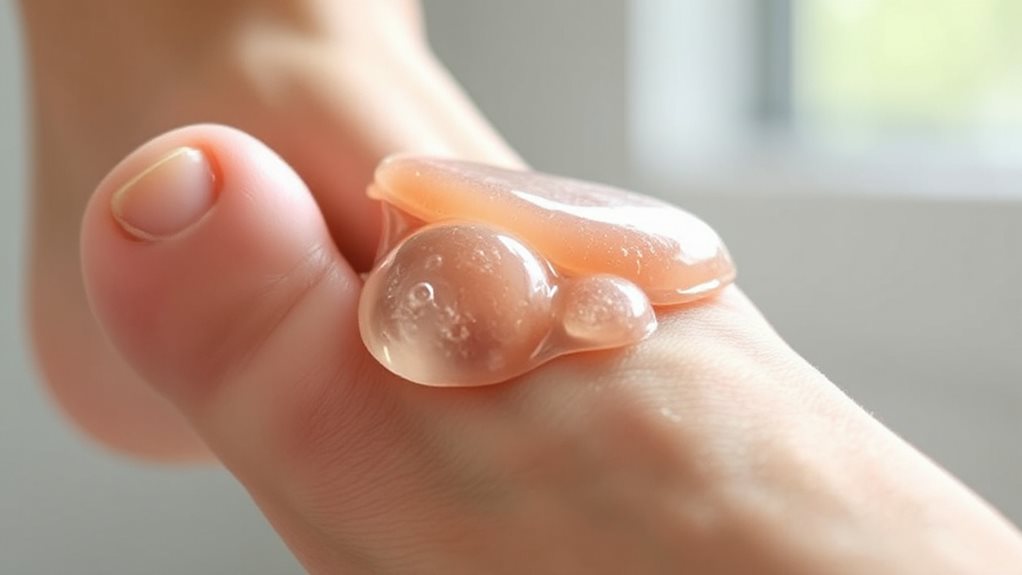
Choose the right dressing, and you’ll give your blister the ideal environment to heal quickly and comfortably.
Use hydrocolloid bandages for pain relief and faster healing, or foam dressings to cushion and absorb fluid.
Try alginate with transparent film if the blister bursts.
For added protection, silver-infused options fight infection.
Hydrogels keep things moist, helping cells regenerate efficiently.
How Long Do Blisters Take to Heal?
Depending on the type and location, your blister could start improving within just a few days, though full recovery often takes longer.
Unpopped blisters usually reabsorb fluid in a week, while broken ones may take up to six weeks to fully heal.
Blood blisters, calluses, or infected areas slow progress—keep them clean, protect the skin, and let your body do the work.
Signs Your Blister Is Infected
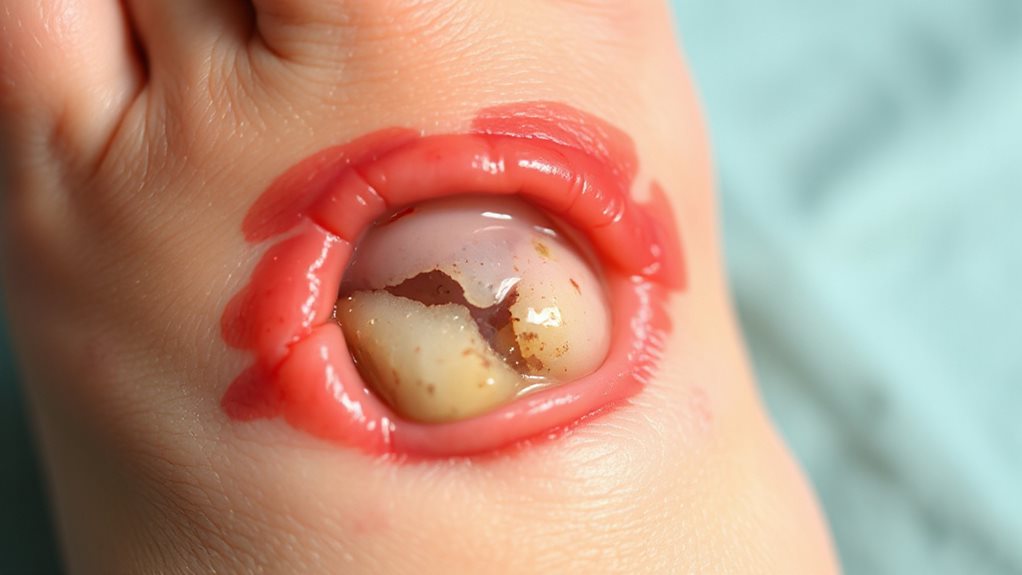
If you’ve ever had a blister turn sour, you know it’s more than just a minor annoyance—signs of infection mean your body is fighting something bigger.
Watch for pus, spreading redness, warmth, or foul odor.
Increased pain, fever, or red streaks are red flags.
Yellow, green, or cloudy fluid means trouble.
Don’t ignore swelling, oozing, or skin changes—act fast to stay in control.
Also, if you’re heading into cold conditions, pack warm clothing and an emergency kit, including a first aid kit, in case you need to treat wounds or unexpected issues.
Final Note
You’ve got this—your body knows how to heal blisters, and now you know how to help. Keep the area clean, protect it with a good dressing, and let nature do the work. Avoid popping unless necessary, and watch for signs of infection. Most blisters heal in a few days to a week. With the right care, you’ll stay comfortable and reduce complications. Stay proactive, and your skin will thank you.


