
You might think clear stream water is safe to drink, but it can harbor dangerous pathogens like Giardia. Never rely on moss to find north—it grows in damp spots, not just shade. Eating snow drops your core temperature and wastes energy. Fire alone won’t keep you warm; insulate yourself from the ground. And remember, play dead for grizzlies, but fight black bears. These myths could cost you—knowing the facts might just save your next expedition.
TLDR
- Clear running water is safe to drink — false; it can harbor dangerous pathogens like Giardia and Cryptosporidium even if it looks clean.
- Moss always grows on the north side of trees — false; it grows where moisture and shade are present, not reliably indicating direction.
- Eating snow is a safe way to hydrate — false; it lowers body temperature and increases dehydration risk; always melt it first.
- Sucking venom out after a snakebite helps — false; it’s ineffective and worsens injury; immobilize the limb and seek help immediately.
- Fire alone keeps you warm in cold weather — false; without ground insulation, you lose heat rapidly to the cold earth, raising hypothermia risk.
Clear Running Water Can Kill You: Here’s Why
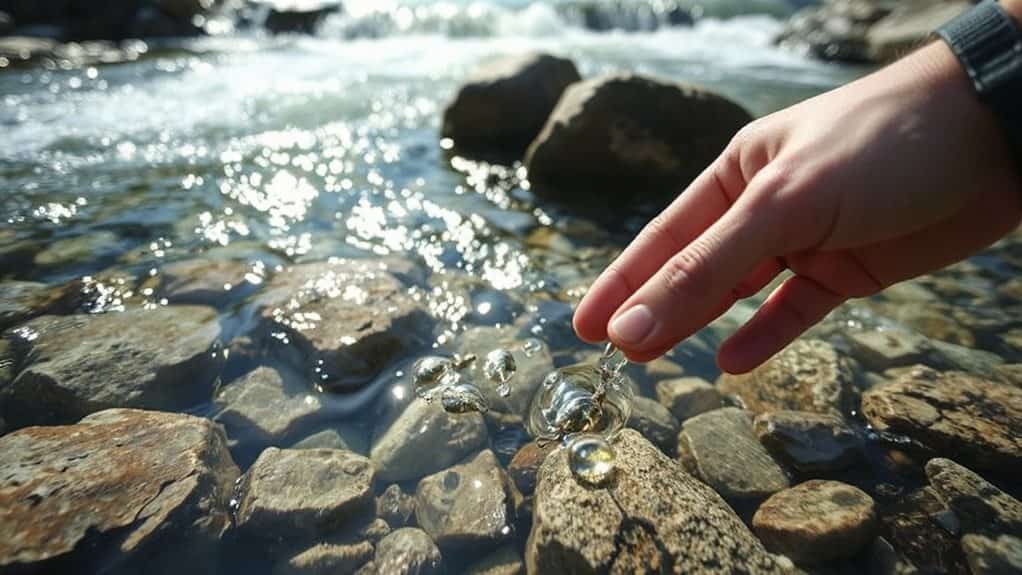
While that crystal-clear mountain stream might look inviting, don’t let its appearance fool you—drinking untreated running water can make you seriously ill, even in remote wilderness areas.
Fast flow and clarity don’t kill pathogens; Giardia, E. coli, and cryptosporidium thrive regardless. Animal waste, decaying matter, and upstream pollution contaminate water.
Always filter, boil, or treat it—your freedom depends on staying healthy, not taking risks. Boiling water using a portable stove or other reliable method is one of the most practical ways to make it safe to drink.
Even fast-moving water can harbor dangerous organisms because fecal contamination from animals or humans upstream can introduce harmful pathogens into the water.
Sleeping Too Close to Water? You’re at Risk
You might think sleeping near water is peaceful, but it actually puts you at risk—flooding can strike fast, especially after rain, and your campsite could end up in a dangerous low-lying zone.
Water also attracts animals looking for a drink, so setting up too close might bring unwanted visitors in the night.
Keep your tent at least 100 feet from the shore to stay safe, dry, and alert.
Choose a site with good drainage to minimize water pooling and reduce the chance of your campsite flooding.
Proximity Attracts Predators
Water’s edge might seem like a peaceful place to rest, but it’s also a magnet for predators. You’re drawing in animals that hunt at dawn, dusk, and through the night—especially near rivers and refuges.
They’re consistently active, with surges in visits when light shifts or water conditions change. Stay alert, keep distance, and avoid camping too close to shorelines where predator encounters are more likely.
Flooding Risk After Rain
Even if the sky clears after a storm, don’t let your guard down—flooding can strike long after the rain stops, especially if you’re camped near a stream or river.
Flash floods roar down channels minutes after distant storms, and dry beds can become torrents fast.
Six inches of moving water knocks you down; two feet floats your vehicle.
Always camp above base flood elevation, on high ground, and never in low spots or near waterways—even if it’s not raining where you are.
Moss Won’t Guide You: Use This Instead
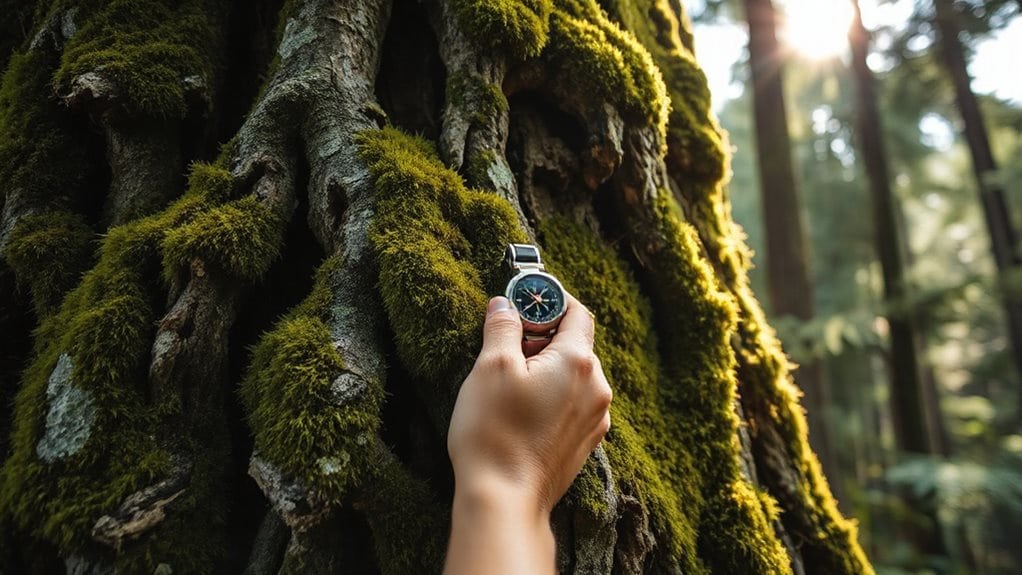
While moss might seem like a handy trailside clue for finding north, relying on it can actually lead you in the wrong direction just as often as it points you right.
Moss grows where moisture lingers—on any surface, regardless of direction.
Check for shade, texture, or dripping water instead.
For real wayfinding, track the sun, study tree growth, or use a compass and map—simple, reliable tools that keep you free and on course.
Always plan ahead and prepare, including checking regulations and packing properly for safety and minimal impact, to protect both yourself and the environment and practice planning ahead.
Eating Snow Lowers Your Core Temperature
You might think grabbing a handful of snow to quench your thirst is a smart move when you’re out in the cold, especially after relying on natural signs like moss or sunlight to find your way. But eating snow actually cools your core, forces your body to burn calories melting it, and can dehydrate you further.
Instead, melt it first using a stove, sunlight, or body heat in a container—never directly. Exercise before sleeping to boost circulation and help retain warmth, which can reduce the extra energy cost of processing cold inputs like snow and ice insulated sleeping pads.
Hunting Big Game Wastes Energy and Food
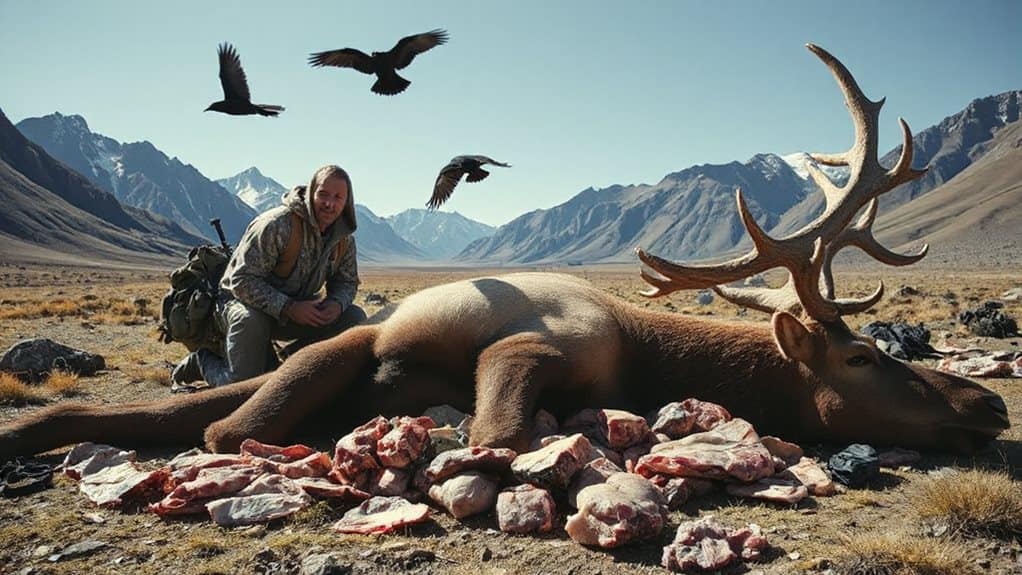
If you’re counting on hunting big game to keep you fed in the wild, think again—pursuing large animals often burns far more calories than you’ll gain from the meat.
You’ll burn around 4,300 kcal daily while eating less than half that.
Even so, your body preserves muscle and adapts.
Focus on efficient nutrition, not just calories, to stay strong and free in the backcountry.
Hunting is sometimes used to manage wildlife populations and protect habitats, particularly where overpopulation of species like deer damages ecosystems.
Fire Isn’t Enough: You Need Insulation
You might think a roaring fire is enough to keep you warm, but without insulation, you’re still losing heat fast through the ground and wind.
Block that loss by sitting on a thick layer of pine boughs or leaves, and wear loose clothing layers to trap warmth around your body.
Stay dry and stay warm—because fire alone won’t save you if you’re in direct contact with the cold earth.
Ground Contact Danger
While a crackling fire might seem like all the warmth you need on a cold night outdoors, it won’t protect you from the hidden danger beneath you—cold ground rapidly draws heat from your body, up to 25 times faster than frigid air alone.
Sitting or lying directly on snow or wet earth speeds heat loss by 2–4 times, dropping your core temperature fast.
Even with a fire, you’ll lose body heat persistently unless you insulate yourself from the ground with a pad, tarp, or thick barrier.
Radiant warmth above means little if conductive loss below drains your core in minutes.
Stay free, stay smart—always block ground contact.
Insulation Prevents Heat Loss
That cold ground beneath you doesn’t just feel uncomfortable—it’s actively pulling heat from your body, which is why sitting near a fire isn’t enough to keep you warm.
You need insulation to trap body heat, not just fire. Use thick, dry leaves or grass to create air pockets, block wind, and stay warm.
Fire helps, but only insulation holds the heat where you need it—around you.
Stay Dry, Stay Warm
Often overlooked in the rush to build a fire, staying dry is just as critical as finding warmth when surviving outdoors. Use dry grass, leaves, or pine needles to insulate your shelter and sleeping area, preventing moisture from the ground.
Check for damp spots regularly—wet insulation loses effectiveness. Layer bedding at least 3–4 inches thick, and pair natural materials with Mylar or foam to stay dry, stay warm, and keep control of your survival.
Play Dead Only for Grizzlies: Fight Black Bears
If you ever come across a bear in the wild, knowing the difference between a grizzly and a black bear could be the key to your survival—because how you respond depends entirely on which species you’re facing.
Play dead during a grizzly attack, especially if it’s defensive; but if a black bear attacks, fight back hard.
Grizzlies have shoulder humps, long claws, and may bluff charge; black bears are sleeker, climb trees, and rarely back down once predatory.
Use bear spray, make noise, and never run.
Stay calm, stand your ground, and act decisively—your life could depend on it.
Sucking Snake Venom Spreads Infection
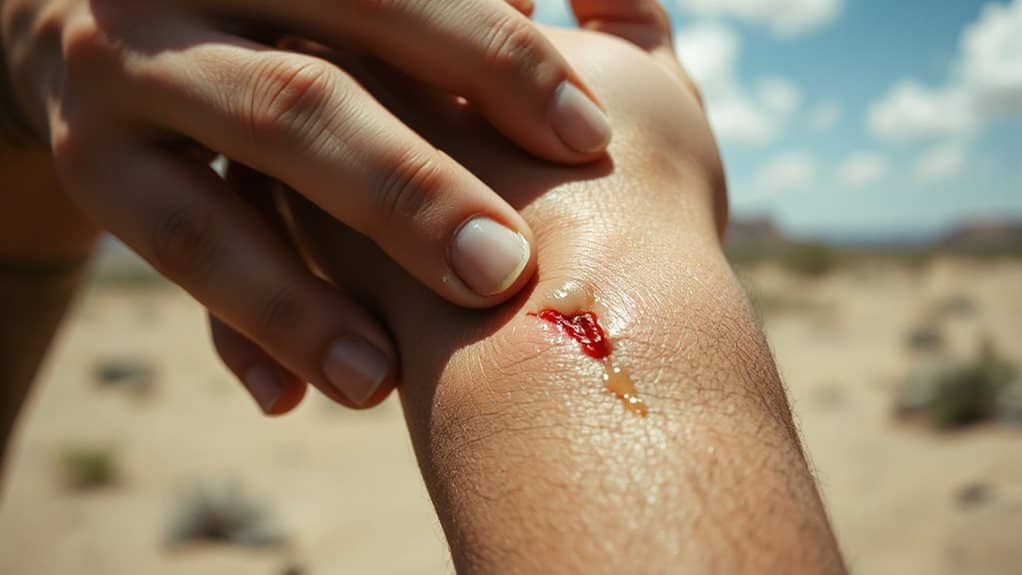
While old cowboy tales might’ve you believe otherwise, sucking venom out of a snakebite isn’t just useless—it’s dangerous.
You’ll introduce bacteria, risk infection, and damage tissue.
Venom spreads too fast to remove meaningfully.
Instead, stay calm, immobilize the limb, remove jewelry, and get help fast.
No cutting, no sucking—just smart, proven steps to keep yourself safe and in control.
Sleeping on the Ground Risks Hypothermia
Even though the air mightn’t feel bitterly cold, lying directly on the ground can still put you at serious risk for hypothermia—your body loses heat to the earth 25 times faster than to the surrounding air, and without insulation, that cold transfer happens quickly.
Use a sleeping pad or natural barrier, stay dry, and wear insulating layers to block heat loss, especially if you’re young, elderly, or exposed for long periods.
Final Note
You now know the truth behind common outdoor myths—don’t let them catch you off guard. Clean-looking water can still make you sick, moss won’t reliably point north, and eating snow can dangerously lower your body temperature. Always purify water, use a compass, and melt snow before consuming. You’ve got better tools than outdated tips, so trust proven methods, stay prepared, and keep safe when exploration calls.


