
You’re most likely to face falls, sprains, blisters, and cuts outdoors—especially on trails or climbs. Wear supportive, well-fitted boots with moisture-wicking socks to prevent blisters and ankle twists, and use trekking poles for balance. Helmets reduce head injury risks, while gloves and long sleeves guard against rope burns. Carry a first aid kit, clean wounds promptly, and tape hotspots early. You’ll stay safer and more prepared with the right gear and habits. There’s more to know about staying injury-free in the wild.
TLDR
- Falls are the leading outdoor injury, especially on trails; prevent them with proper footwear, trekking poles, and rest during descents.
- Ankle and knee sprains commonly end hikes; reduce risk with strength training, supportive boots, and avoiding fatigue on uneven terrain.
- Blisters are the most frequent hiking injury; prevent with moisture-wicking socks, well-fitted shoes, and early hotspot treatment using tape.
- Head injuries from falls or climbing incidents can be severe; wearing a helmet significantly reduces brain injury and skull fracture risks.
- Cuts and rope burns occur during outdoor activities; carry a first aid kit, clean wounds promptly, and use gloves and protective clothing to prevent injury.
What Causes the Most Outdoor Injuries?
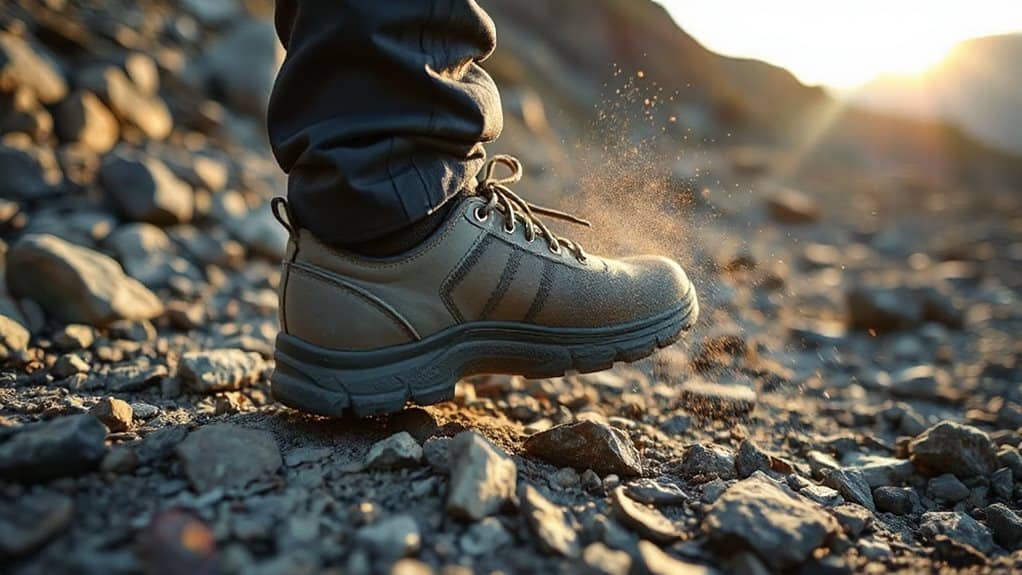
While you’re enjoying the great outdoors, it’s easy to overlook the risks that come with physical activity in unpredictable environments. Falls cause nearly half of all outdoor injuries, especially on hiking trails with uneven surfaces.
Biking leads in trauma cases, while sports like soccer and snowboarding add to emergency visits. You can stay safe by staying aware, wearing protection, and choosing terrain wisely. Bicycle injuries accounted for 14.9% of physical activity–related cases in a large pediatric emergency department study.
Plan your transition to outdoor-focused living with financial planning to ensure you can afford necessary safety gear and healthcare while on the road.
How Do Falls Lead to Serious Injuries in Hiking and Climbing?
Falls are the leading cause of outdoor injuries, especially when you’re hiking or climbing in mountainous terrain.
You’re most at risk during descents, on rocky, marked trails, or when fatigued.
Falls over 20 feet greatly increase hospitalization chances, and not wearing a helmet can worsen head injuries.
Most happen in summer, in good weather, so stay sharp—even familiar paths demand attention.
Carry essential survival gear like a first aid kit and know how to manage body temperature to reduce risks during and after a fall, including preventing hypothermia by staying dry and layered body temperature.
Why Are Fractures Common After Outdoor Falls?
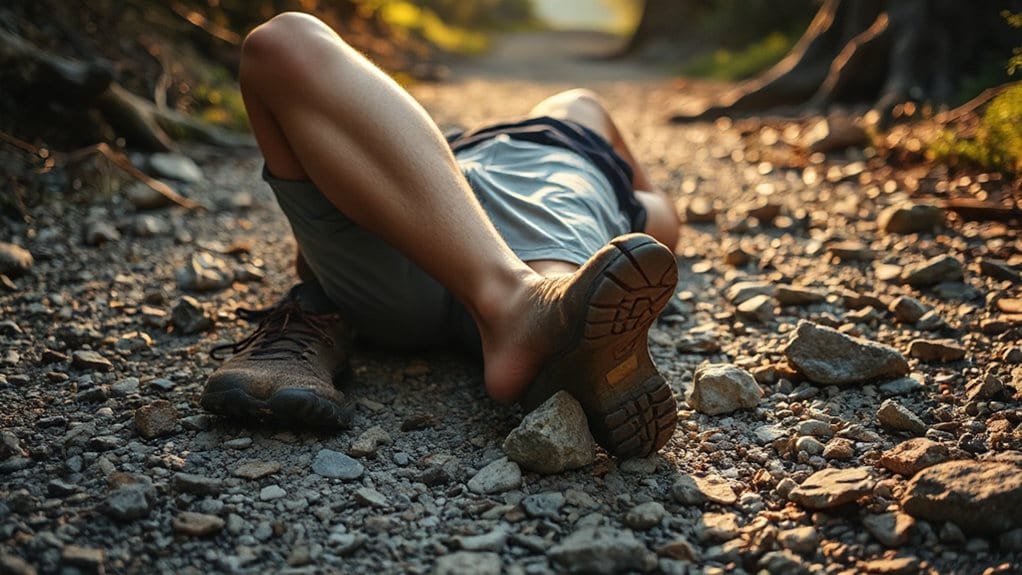
Because your bones bear the brunt of any sudden impact, a fall during outdoor activities can easily lead to a fracture—especially if you’re at higher risk due to age, bone health, or changes in physical activity.
Low-impact falls often cause fractures in older adults, particularly women, and declining physical activity doubles your risk.
Stay active, maintain bone strength, and move with awareness to protect yourself while enjoying the outdoors.
Ticks can also increase injury risk by causing long-term infestations that lead to weakened mobility and delayed wound care.
Why Do Ankle and Knee Sprains End Hiking Trips?
Step carefully on rugged trails, and you’ll help protect two of your most important hiking allies—your ankles and knees.
Sprains often end trips because uneven terrain, down slopes, and scree strain ligaments, while fatigue, heavy loads, and past injuries increase risk.
Swelling and pain can halt mobility fast.
Prevent them with strong muscles, balance training, supportive boots, and trekking poles.
Wear insulating, waterproof boots for better support and warmth on winter hikes to reduce injury risk and protect the lower body.
Why Are Blisters the #1 Hiking Injury?
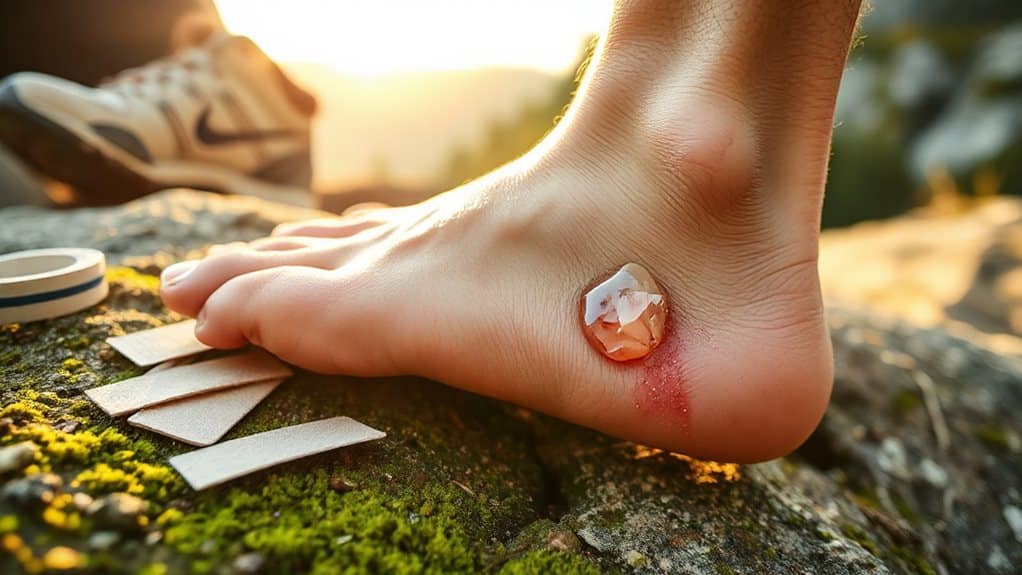
You’re more likely to get blisters when your boots don’t fit well or rub against your skin, especially if you’re hiking for hours without taking breaks.
Wearing cotton socks or skipping the break-in period for new footwear can trap moisture and increase friction, making hotspots form faster.
But switching to moisture-wicking socks and pausing to address irritation early can stop blisters before they start.
Keeping feet dry with moisture-absorbent socks and using rubber insoles can also reduce friction and prevent blisters.
Friction From Poor Footwear
Rubbing, heat, and moisture team up faster than you might think when your footwear doesn’t fit right, turning a peaceful hike into a painful lesson in friction.
Wear breathable shoes with a wide toe box and a snug, not tight, fit. Pair them with moisture-wicking socks—wool with a polyester liner works great—and consider Engo patches to reduce shear. Break in shoes before long treks, and keep feet dry.
Prolonged Activity Without Breaks
Even with the right shoes and socks, your feet can still pay the price if you keep moving without giving them a chance to recover—because time on your feet matters just as much as what’s on them.
Prolonged walking increases friction, softens skin with sweat, and raises blister risk, especially early in training. Take short breaks to dry your feet, spot hot spots early, and let your skin adapt—simple steps that keep you moving freely and safely on long excursions.
Prevention Through Proper Socks
Often overlooked, the right socks play a vital role in preventing blisters—the most common injury among hikers.
Choose moisture-wicking materials like merino wool or acrylic to keep feet dry, reducing friction. Opt for seamless, padded designs in high-risk areas, and consider toe or double-sock systems.
Change socks when wet, since dampness nearly doubles blister risk, and guarantee a snug, non-slip fit for long-term comfort and protection on the trail.
How Should You Treat Blisters on the Trail?
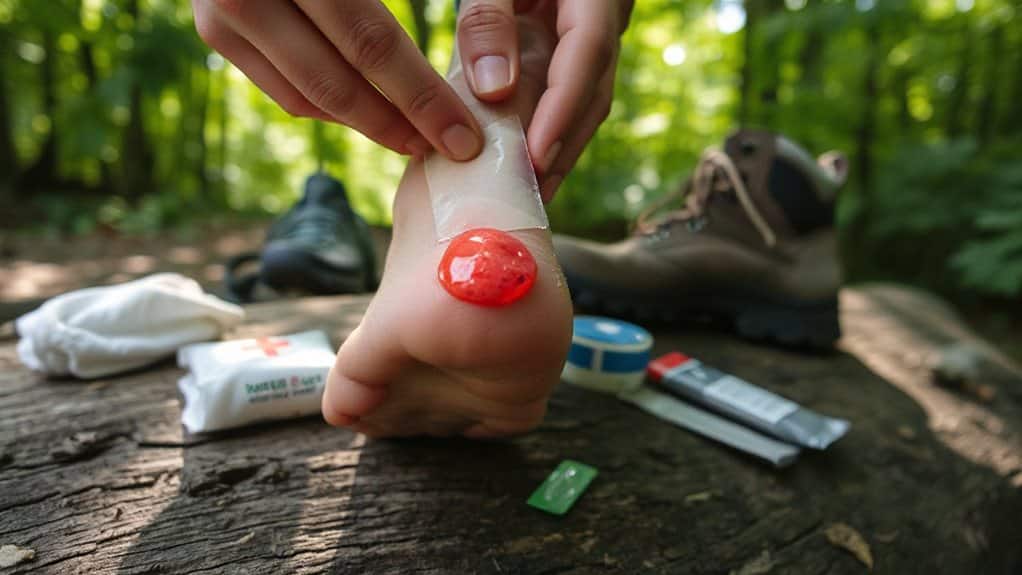
When you feel a hotspot start to flare up on your foot—a small, red, tender spot that stings or burns with each step—don’t wait it out.
Stop hiking immediately, dry your foot, and cover the area with Leukotape or cloth tape, extending an inch beyond the irritation.
Use benzoin for better adhesion, and monitor it closely to prevent blister formation.
How Can Helmets Prevent Traumatic Brain Injuries?
You can markedly reduce your risk of traumatic brain injury by wearing a helmet, which absorbs impact and cuts head injury odds by up to 85%.
Studies show helmeted riders face far lower rates of severe brain trauma, ICU stays, and death, especially in bike and motorcycle crashes.
With strong evidence backing their protection, using a helmet is one of the simplest, most effective safety moves you can make.
Impact Protection Explained
Think of your helmet as a smart shield, designed to absorb and spread out the force of an impact before it reaches your brain.
It cushions your head when the helmet stops but your brain keeps moving, reducing severe injuries.
Helmets cut TBI risk by over 50%, lower bleeding, skull fractures, and facial injuries, while offering solid protection—though not full defense—against concussions from rotational forces.
Helmet Use Statistics
Surprisingly often, a simple helmet is the difference between a close call and a life-altering injury.
You reduce head injury risk by up to 85%, brain injury by 88%, and cut fatal outcomes nearly in half.
Even in crashes, helmeted riders are less likely to face ICU stays, long hospitalizations, or severe TBI—giving you real protection without limiting your freedom to ride.
Preventing Severe Head Trauma
While no safety gear can eliminate all risks, a well-designed helmet dramatically reduces the chance of severe head trauma by managing the forces that cause brain injury.
You absorb impact energy as the inner foam compresses, while the outer shell deflects glancing blows. Helmets cut brain injury risk by up to 88%, reduce skull fractures by 60–70%, and lower severe TBI odds markedly.
Why Are Climbers at Risk for Severe Falls?
Because climbing involves constant exposure to height and energetic motion, you face a real risk of severe falls—especially when descending, where one in three climbing injuries occurs.
Rappel errors, unroped climbing, and rope slack increase danger.
You’re more vulnerable if you’re older, heavier, or skip a helmet.
Ground impact, belayer lift, and poor landings further raise risks—stay aware, double-check systems, and always protect your head.
How Do You Treat Cuts and Lacerations Outdoors?
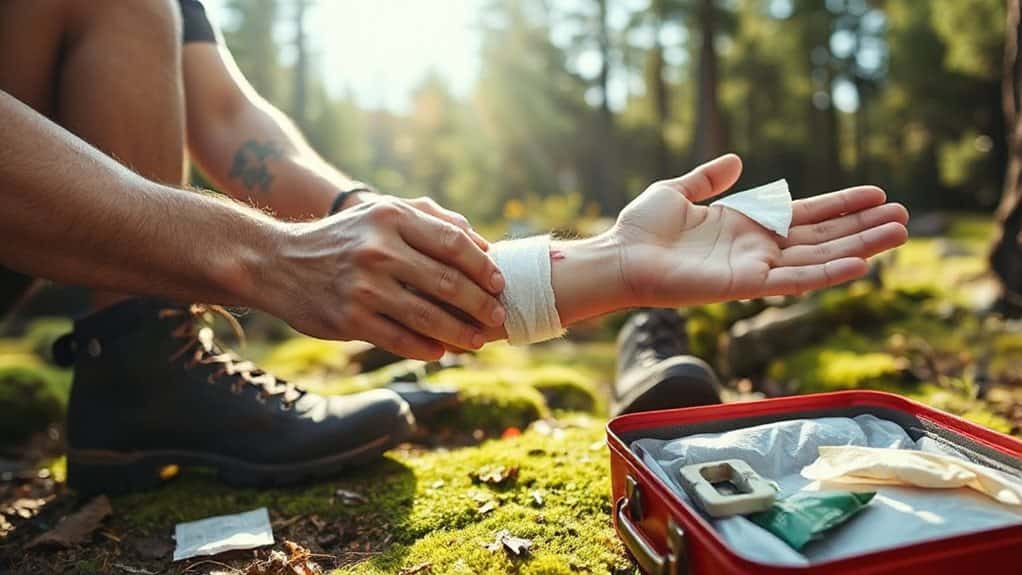
When a sharp rock, branch, or gear edge catches your skin, act quickly to stop the bleeding and protect the wound from infection. Apply direct pressure with a clean cloth or gauze, raise the injury, then use a pressure dressing.
Clean out debris with sterilized tweezers, irrigate with clean water or saline, and apply antibiotic ointment. Cover with a sterile, occlusive dressing, and check it within 30 minutes—adjust as needed.
Why Do Climbers Get Rope Burns?
You’ve just cleaned and dressed a cut from a sharp edge, but not all outdoor injuries break the skin—some sneak up through friction and heat, especially when you’re climbing.
Rope burns happen when sliding or gripping ropes creates intense heat, damaging skin. Repeated climbs, poor protection, or mispositioned ropes increase risk.
Protect yourself with gloves, long sleeves, and tape—stay aware, stay covered, and keep moving freely and safely.
How Does Proper Footwear Prevent Injuries?
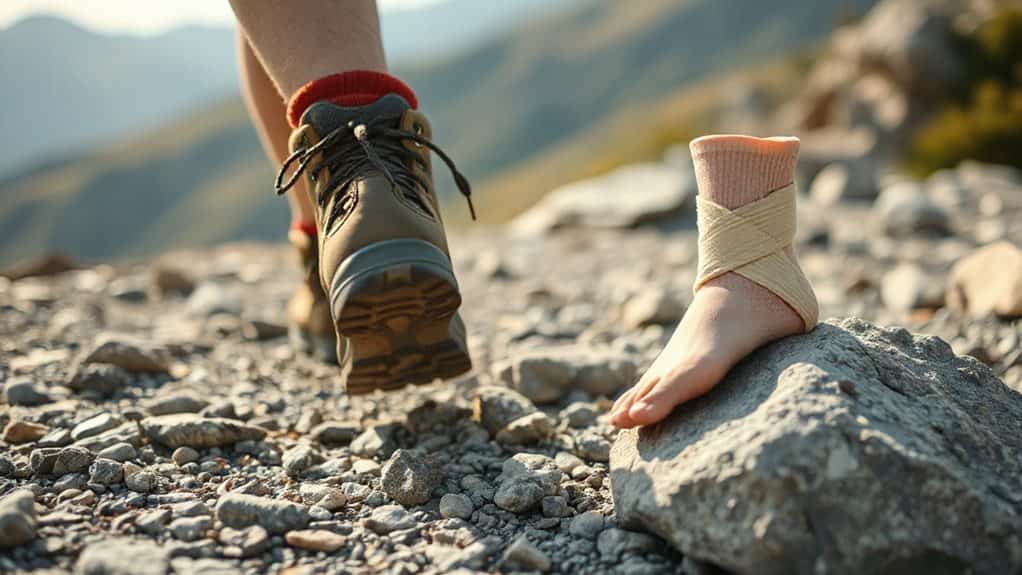
Step into the right pair of shoes, and you’re already ahead in preventing common outdoor injuries.
Choose closed-heel shoes with high collars and secure fastenings—they enhance stability, reduce joint strain, and cut fall risks.
Cushioning helps manage impact, especially if you’re lighter or run regularly.
While rigidity has trade-offs, well-fixed, supportive footwear keeps you steady, safe, and free to move confidently on any terrain.
Final Note
You can enjoy the outdoors safely by staying prepared and informed. Wear proper footwear, check your gear, and know your limits. Most injuries—like sprains, blisters, and falls—are preventable with the right precautions. If you do get hurt, basic first aid skills make a big difference. Stay aware, plan ahead, and respect nature’s challenges. With smart choices, you’ll reduce risks and keep every outing on track.


